Apr 28, 2025

7 Top Programming Languages for Kids: A Comprehensive Guide for Young Learners
7 Top Programming Languages for Kids: A Comprehensive Guide for Young Learners image

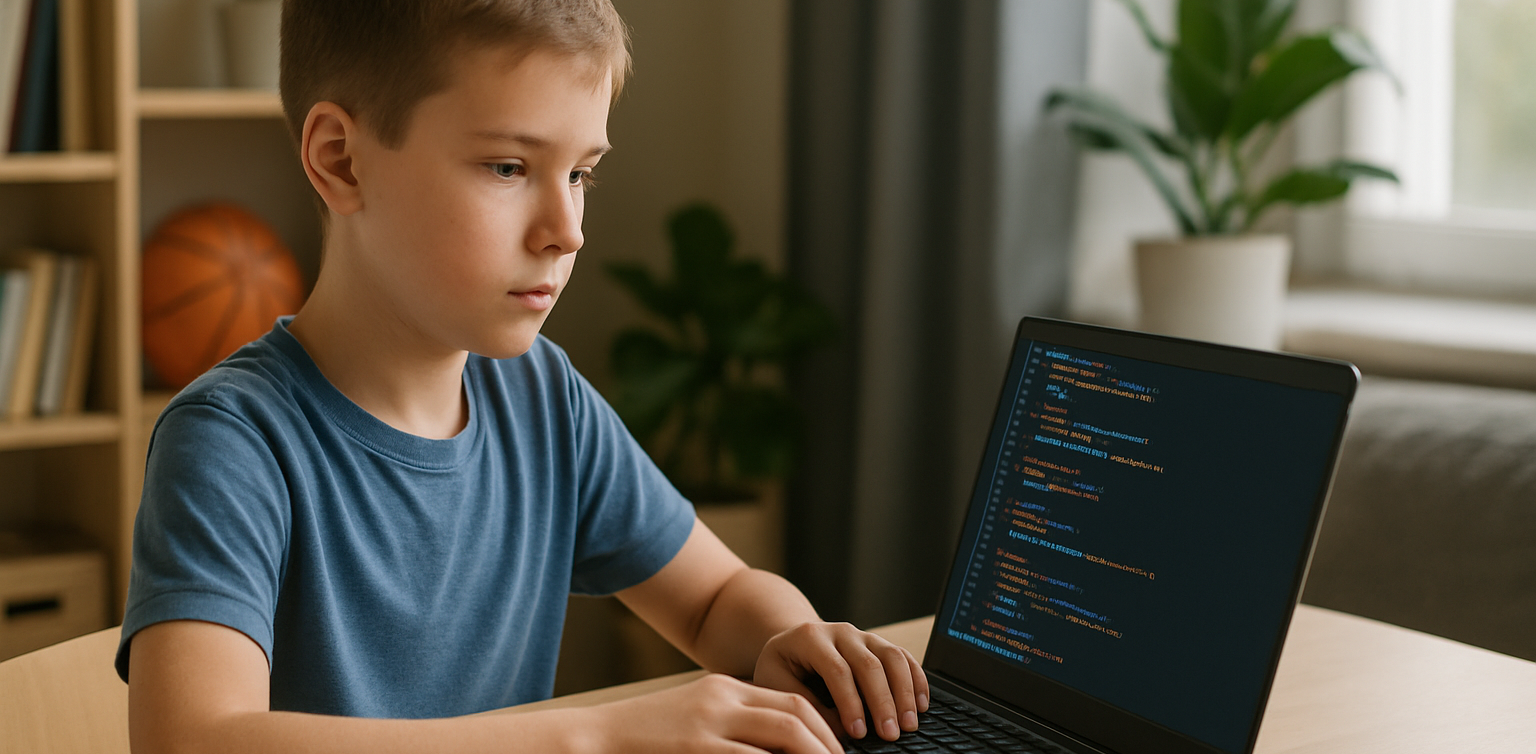
In today’s tech-driven world, learning how to code is an essential skill, especially for young learners. The best programming languages for kids help introduce coding concepts in an engaging and accessible way. When choosing the best programming languages for kids, it’s important to focus on languages that are easy to understand, fun to learn, and open up opportunities for creative projects. In this guide, we will explore some of the best programming languages for kids and why they are excellent choices for young learners eager to start coding.

Why Should Kids Learn Programming?

Programming isn’t just about learning to code; it’s about developing problem-solving skills, creativity, and logical thinking. The best programming languages for kids teach children how to think critically and break down problems into smaller, manageable tasks. Additionally, coding offers children the opportunity to build their own games, websites, and apps, providing a sense of accomplishment as they bring their ideas to life.

Let’s look at some of the best programming languages for kids that can help them begin their coding journey.

1. Scratch
programming languages for kids

Scratch is often considered one of the best programming languages for kids due to its visual interface and simple drag-and-drop functionality. It allows children to create animations, games, and interactive stories without needing to write any complex code. Scratch introduces children to programming logic, such as loops, conditionals, and variables, while keeping things fun and creative.

The best programming languages for kids should focus on visual learning, and Scratch is a perfect example. It’s an excellent stepping stone for kids who are new to coding and want to explore the basics of programming in an interactive and playful way.

2. Python
programming languages for kids

Python is one of the best programming languages for kids because it has simple syntax and is very readable, making it easier for young learners to pick up. Python is used in many real-world applications, including web development, data analysis, and game design, which makes it a versatile language to learn. With its broad use in the tech industry, learning Python at a young age gives kids a valuable skill that they can build upon as they grow older.

Among the best programming languages for kids, Python stands out for its flexibility and ease of use, allowing children to start building more complex projects as they advance in their coding journey.

3. JavaScript

programming languages for kids

For kids interested in creating websites and online games, JavaScript is one of the best programming languages for kids. It’s the primary language used for adding interactivity to websites, and learning it will allow kids to create dynamic and engaging online experiences. JavaScript is a bit more advanced than Scratch or Python, but it’s still one of the best programming languages for kids because it’s in high demand and offers a hands-on way to build real-world applications.

By learning JavaScript, kids gain the foundational knowledge needed to work in web development and understand how websites function, making it a great choice among the best programming languages for kids.

4. Swift Playgrounds

programming languages for kids

Swift Playgrounds is a unique app that teaches children how to code in Swift, which is Apple’s programming language used to build iOS and macOS apps. As one of the best programming languages for kids, Swift is powerful yet accessible, allowing kids to learn coding while solving fun, interactive puzzles. Swift Playgrounds offers an exciting, game-like experience that keeps kids engaged while learning how to code.

For kids interested in app development, Swift Playgrounds is one of the best programming languages for kids to learn, as it provides a hands-on way to create mobile apps for iPhones and iPads.

5. HTML/CSS

HTML (HyperText Markup Language) and CSS (Cascading Style Sheets) are fundamental languages for web development, and they’re also some of the best programming languages for kids to learn. HTML is used to structure content on the web, while CSS is used to style that content and make it look visually appealing. By learning HTML and CSS, kids can start building their own websites from scratch, gaining a deeper understanding of how the internet works.

As two of the best programming languages for kids, HTML and CSS provide kids with a solid foundation in web development that will be useful if they want to learn more advanced languages in the future.

6. Blockly

Blockly is a visual programming language developed by Google that teaches programming concepts through a drag-and-drop interface. Blockly is an excellent choice among the best programming languages for kids because it allows kids to focus on logic and problem-solving without worrying about complex syntax. It’s perfect for young learners who want to understand the fundamentals of coding before transitioning to text-based programming languages.

For a fun introduction to coding, Blockly is one of the best programming languages for kids, helping kids develop the skills needed to progress to more advanced languages like Python or JavaScript.

7. Roblox Studio

Roblox Studio is one of the best programming languages for kids who are passionate about gaming. It uses Lua, a scripting language that’s easy to learn and widely used in game development. With Roblox Studio, kids can create their own games, design interactive environments, and even monetize their creations. It’s an ideal platform for young learners interested in both coding and game design, making it one of the best programming languages for kids.

Roblox Studio provides an engaging way for kids to learn programming while also fostering creativity, teamwork, and critical thinking.

Kickstart Your Coding Journey with the Best Programming Languages for Kids

 Image

Choosing the best programming languages for kids is an important step in setting them on the path to learning how to code. Whether they start with Scratch for simple game creation, move on to Python for general programming, or dive into JavaScript for web development, there are plenty of options to explore. Each of the best programming languages for kids offers unique learning opportunities and allows kids to create exciting projects while developing essential problem-solving skills.

At Timedoor Academy, we offer coding courses designed specifically for kids, teaching them the best programming languages for kids in a fun and interactive way. Help your child discover the exciting world of coding by signing up for a free trial class at Timedoor Academy!

Keep Reading

Introduction to Basic Robotics for Kids: Tips and Trick 2025
As technology advances rapidly, introducing children to robotics is no longer considered too early. In fact, robotics is one of the most valuable areas to explore at a young age, helping children develop logical thinking, creativity, and structured problem-solving skills. An introduction to basic robotics for kids can be a gateway to exploring technology in a fun and meaningful way. With a solid foundation in how technology works, children will be better prepared to navigate and shape the future ahead. What Is Robotics? Robotics is the field of study focused on designing, building, and controlling robots. For children, a robot doesn’t have to be a complex machine. It can be a simple educational toy that can move or perform tasks based on programmed instructions. Through an introduction to basic robotics for kids, children begin to understand core concepts like sensors, motors, and logic commands, while also learning that every action has a cause and an effect. Why Should Kids Learn Robotics Early? Builds Logical and Systematic ThinkingRobotics helps children learn how to think in sequences and steps. They learn to structure instructions so a robot can perform specific tasks, reinforcing their problem-solving skills. Encourages Creativity and InnovationChildren are given the opportunity to create something from their own ideas. Whether they are designing how a robot looks or deciding what it should do, they are learning to turn imagination into real outcomes. Introduces Technology in a Positive WayWhen children learn about technology through robotics, they see it as a helpful tool rather than just entertainment. This shapes how they interact with technology as they grow. Boosts Independence and ConfidenceCompleting a working robot on their own gives children a sense of accomplishment. This achievement builds self-confidence and motivates them to keep learning and trying new things. How to Get Started with Robotics for Kids An introduction to basic robotics for kids should be fun, simple, and age-appropriate. There are many robotics kits designed specifically for children, often equipped with easy-to-follow instructions and safe-to-use components. Parents can also begin with unplugged activities to build early logical thinking. Games like direction cards or movement simulations that mimic robot commands can serve as great stepping stones before introducing digital coding. Fun Robotics Activities to Try at Home Simple activities like building robots out of cardboard or using beginner-friendly kits like Bee-Bot can make robotics feel like play. Apps like Scratch Junior also help kids understand coding logic in a visual, hands-on way. The key to a successful introduction to basic robotics for kids is to keep it playful. When children enjoy the process, they naturally become more engaged and absorb more from each activity. Common Challenges and How to Overcome Them Introducing robotics to children can come with challenges. Not every parent has a technical background, and not every child is excited right from the start. These obstacles can be managed with patience and flexibility. Start small, go at the child’s pace, and remove the pressure to get everything right the first time. A consistent and supportive learning environment can make a big difference. Robotics as a Foundation for the Future An introduction to basic robotics for kids is not just about teaching them to use technology, but also about shaping how they think. It nurtures critical thinking, creative problem-solving, and the courage to experiment. Children learn to see failure as part of the process, to try again, and to evaluate what can be improved. These life skills will benefit them in any field they choose to pursue in the future. Learn Coding and Robotics Easily with Timedoor Academy If you're looking for a fun and structured way for your child to learn coding and robotics, Timedoor Academy offers interactive online classes designed for kids. Using creative methods and kid-friendly tools, children can build logical thinking, create commands, and develop real projects with confidence. Try a free coding and robotics class today with Timedoor Academy and help your child take their first steps into the world of future-ready technology through a guided and joyful introduction to basic robotics for kids.
cara mengurangi screen time pada anak
How to Reduce Screen Time for Kids and Encourage More Physical Activity
Screens are everywhere, from TVs and tablets to smartphones and laptops. While digital devices can support learning and creativity, many parents today are asking the same question: how to reduce screen time for kids without starting a daily argument. With more classes, entertainment, and social interaction happening online, children are spending more time in front of screens than ever before. But excessive screen time can affect their physical health, sleep quality, and even emotional well-being. So how can we find the right balance? This article shares practical tips for reducing screen time while promoting more physical activity, helping children grow in a healthy, well-rounded way.   Why Reducing Screen Time Matters Understanding how to reduce screen time for kids starts with knowing why it is important. According to the American Academy of Pediatrics, screen time (excluding educational use) should be limited to no more than two hours per day for children over age five. Excessive screen time can lead to: Eye strain and poor posture Trouble falling asleep Weight gain and low energy Reduced attention span and creativity Meanwhile, regular physical activity supports: Healthy growth and stronger bones Improved mood and focus Better sleep patterns Social development and teamwork skills   1. Set Consistent Rules and Daily Limits The first step in learning how to reduce screen time for kids is to set clear boundaries. Children thrive with structure, and having a consistent schedule helps them develop discipline and independence. Alternatives: Set device-free hours in the morning and evening Use timers or apps to manage screen duration Keep screens out of bedrooms, especially before bedtime Create a reward system for non-screen activities 2. Replace Passive Screen Time with Active Choices Not all screen time is bad, but it is important to guide children toward more active or creative screen use, or replace it with something physical. Alternatives: Encourage drawing, puzzles, or hands-on crafts Swap cartoons for interactive learning videos Use music apps for dancing or movement-based play Sign up for extracurriculars like swimming, martial arts, or team sports 3. Be a Role Model for Healthy Screen Habits Children mimic adult behavior. If you are always on your phone, it becomes harder to convince them to turn off their devices. Modeling a balanced tech routine is one of the most effective ways to teach how to reduce screen time for kids. Alternatives: Read a book while your child plays Keep your phone out of sight during meals Suggest family walks instead of watching TV Join your kids in outdoor games or activities 4. Involve Your Kids in Planning Screen-Free Time When children feel involved in the process, they are more likely to follow the rules. Let them help plan fun screen-free activities for the week. Alternatives: Create a weekly activity jar with ideas like bike rides, baking, or hide and seek Use sticker charts to track screen-free time Allow them to choose the family game or weekend adventure 5. Create Fun Physical Routines Balancing movement with screen time does not mean forcing kids into sports they do not enjoy. Find what excites them and build around that. Alternatives: Backyard obstacle courses Dance breaks between homework sessions Family yoga or stretching challenges Short fitness videos designed for kids Chores with a twist such as turning tasks into a timed race 6. Use Tech Wisely with Movement-Based Apps If completely removing screen time is not realistic, try using apps that blend movement with tech. This way, kids remain active while staying engaged. Alternatives: Dance apps like GoNoodle Augmented Reality (AR) games that require walking Fitness video games like Ring Fit Adventure Educational platforms that include movement breaks 7. Establish Tech-Free Family Traditions Make family time more meaningful by building rituals that do not involve screens. This strengthens your bond and shows that fun does not always require a device. Alternatives: Family cooking nights Nature walks or park visits Gardening or DIY projects Volunteering together in local events Learning how to reduce screen time for kids is not about removing devices entirely. It is about creating healthier, more balanced routines. When screen habits are paired with regular movement, children become more focused, creative, and emotionally strong. By staying involved, setting clear limits, and offering fun alternatives, parents can guide kids toward a lifestyle that blends the best parts of technology with the joys of being active.   Try a Healthy Digital Routine with Timedoor Academy Looking for another way how to reduce screen time for kids and turn them into learning time? At Timedoor Academy, your child can explore the world of coding, animation, and creative digital projects in a structured, kid-friendly environment. With live teachers and flexible schedules, our courses encourage healthy online habits and critical thinking. A free trial is available so you can see how your child can enjoy screen time the smart and balanced way. Visit our website to learn more and get started!
Jumbo 2025 Movie Poster
Jumbo and Kids: 3 Inspiring Lessons on Imagination & Technology
As parents, we want to understand the world of children that often seems “absurd”-full of fantasy, but also full of potential. In today's digital era, that world of imagination can be realized not only through drawings or handwriting, but also through digital media such as coding, animation, and game development. So, what can we learn from Jumbo's story about children and technology? 1. Children's Imagination Is Their Greatest Asset Jo, the main character of Jumbo didn't create Jumbo because she was told to, but because she felt alone and wanted a friend. Children have a rich inner world, and imagination is often the bridge to expressing emotions or exploring new ideas. Unfortunately, in an education system that focuses too much on academics, children's imaginations can be forgotten. In fact, in the world of technology, creativity is a major force. Many great innovations were born not from knowledge, but from the courage to imagine things that do not yet exist. As parents, we can start by asking: “If you could make a robot like Jumbo, what would it be like? Can it do anything?” From there, children learn to think creatively and express ideas concretely. 2. Technology: Not an Enemy, But a Tool of Expression In the movie Jumbo, technology serves as a medium of expression-not just an entertainment tool. Just like Jo who built Jumbo from scrap, kids today can also create something from what they have: laptops, tablets, and internet connections. However, the use of technology must be directed. Gadgets are not always bad. If used with a clear purpose, they can be a means for children to learn to think logically, innovate, and even convey their feelings. Instead of forbidding children from playing with gadgets, we can ask: “What can you make with it?” “Do you want to try making your own game or animation?” This is where technology changes function: from passive consumption to active creation. 3. Every Child Can Be a Creator, Not Just a User The movie Jumbo gives us one important message: children have the capacity to create something extraordinary, as long as they are given the opportunity. Not every child has to be a scientist or engineer, but every child can be a creator-they just need the right platform. Nowadays, learning technology such as coding or animation can start as early as elementary school. Children don't need to build robots right away, but they can start by creating characters, organizing storylines, or creating small games. This process trains many things: from systematic thinking, problem solving, to cooperation. And most importantly? They learn to believe in their own ideas. Are we ready to give children the space to create? As parents, we have an important role to play in assisting and facilitating our children's explorations - not rigidly directing them. Children's imagination, like Jo in the movie Jumbo, is often the early foundation of 21st century skills: creativity, empathy, technological literacy and innovation. Giving space to play and imagine with technology could be the first step towards a brighter future for our children. Help Your Child Bring Their Wild Ideas to Life with Timedoor Academy At Timedoor Academy, we believe that every child has tremendous potential to create and not just follow. Through programs such as coding, animation, and digital design, children are encouraged to hone their imagination and put it into tangible form: from interactive games, animated characters, to personal digital projects that reflect their ideas and feelings. With a fun and structured approach, we help children understand that technology is not just consumption, but also a space for exploration. Our classes are online and interactive, guided by professional mentors from Indonesia and Japan, and designed for children aged 5 to 18 from various backgrounds. So if your child has an imaginary world as big as a Jumbo robot, maybe they just need one thing: the right environment to make it happen. Timedoor is here to be the bridge between a child's idea-rich world, and a bright future!
float button