Apr 30, 2025

Future Trends in STEM Education: What Parents Need to Know In 2025

Future Trends in STEM Education: What Parents Need to Know In 2025 image

STEM education, which stands for science, technology, engineering, and mathematics, has long been recognized as a critical foundation for preparing children to thrive in a technology-driven world. However, it is no longer just about learning formulas or solving problems. The landscape of learning is changing quickly, and parents need to stay informed about where education is headed.

This article explores the future trends in STEM education that are shaping how children learn and develop key skills. From coding in early grades to interdisciplinary learning, parents today play a bigger role than ever in guiding and supporting their child’s STEM journey.

Personalized and Adaptive Learning
future trends in stem education

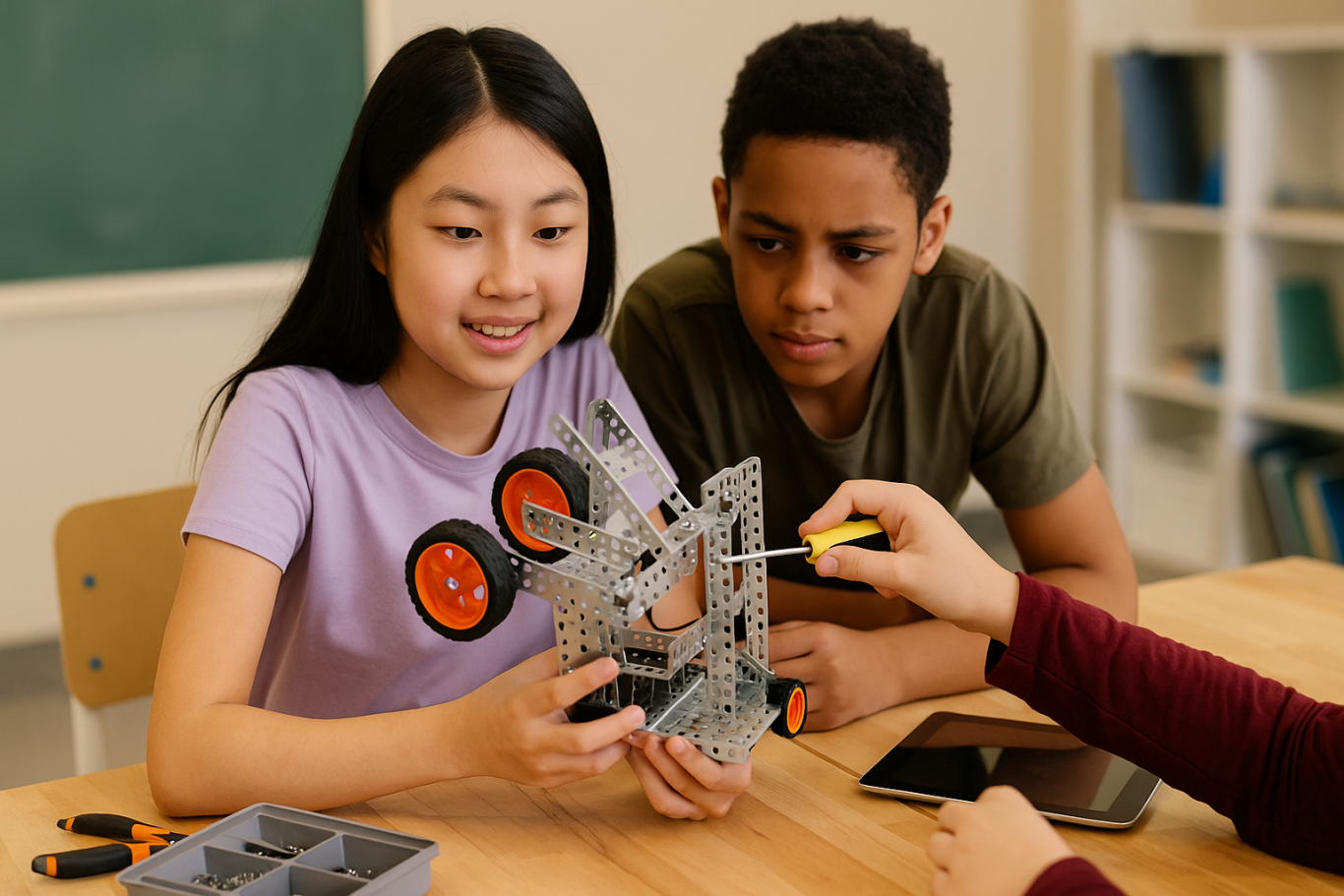
One of the most significant future trends in STEM education is the use of personalized learning platforms. These platforms adjust the pace and content based on the learner’s needs. Instead of using a one-size-fits-all approach, students receive lessons that match their ability level and learning style.

This makes STEM subjects more accessible for children who may struggle in a traditional classroom. With adaptive tools, children can explore challenging topics like algebra or coding in ways that feel engaging rather than overwhelming.

Emphasis on Real-World Problem Solving
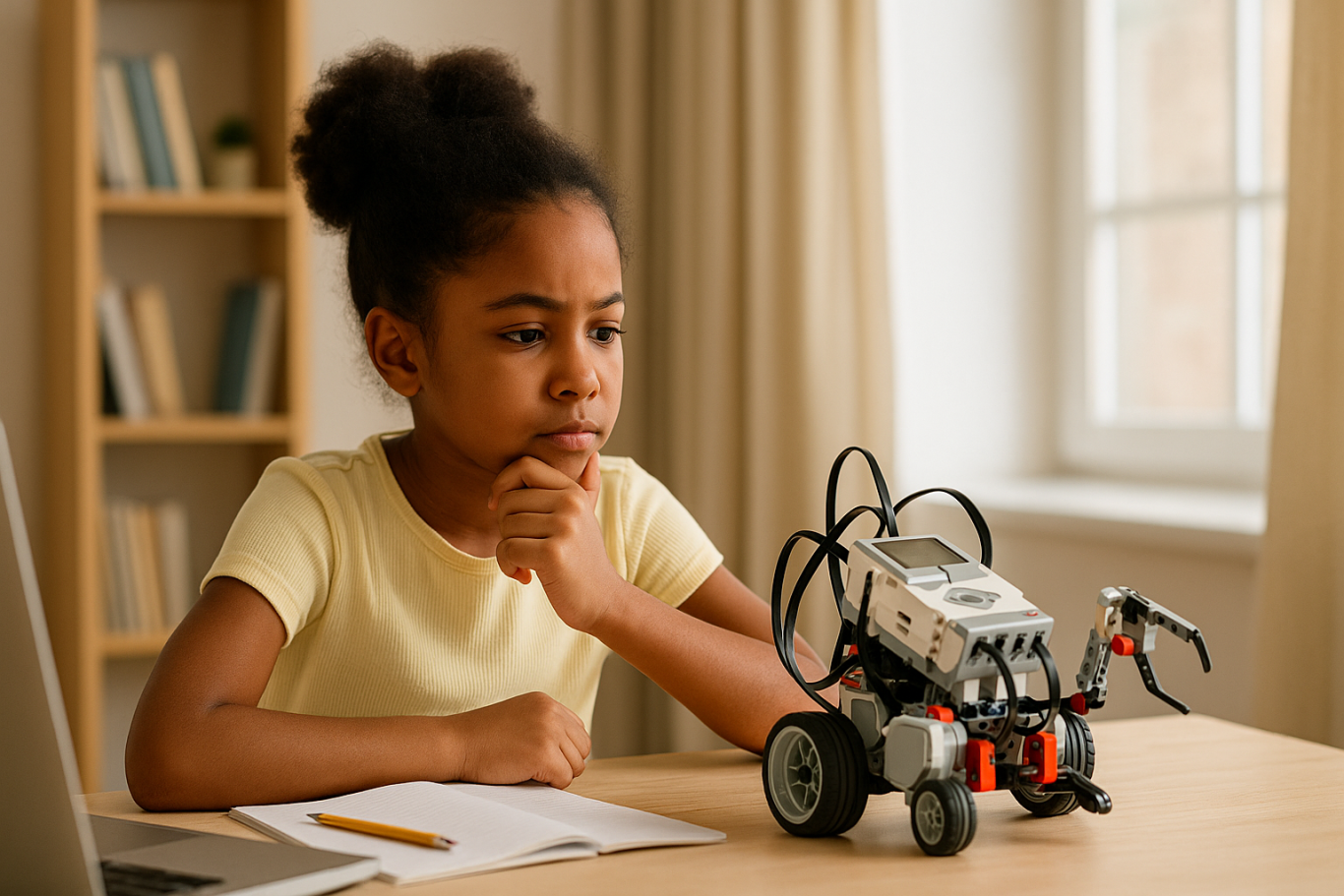
STEM education is moving beyond theory to practice. Schools are encouraging students to solve real-world problems, whether it’s designing a water filtration system or programming a simple app. This trend helps children see the connection between what they learn in class and how it applies to the world around them.

By focusing on real-life applications, children develop a deeper understanding of STEM concepts. They also build critical thinking, teamwork, and communication skills, which are just as important as technical knowledge.

Coding as a Core Skill

Coding is no longer seen as an optional extracurricular activity. It is becoming a core part of the curriculum in many schools around the world. Understanding the basics of coding helps children become not just consumers of technology but also creators.

Among the future trends in STEM education, coding stands out because it blends creativity with logic. From block-based languages like Scratch to more advanced tools like Python, students are learning how to build games, automate tasks, and solve digital challenges.

Integration of AI and Emerging Technologies
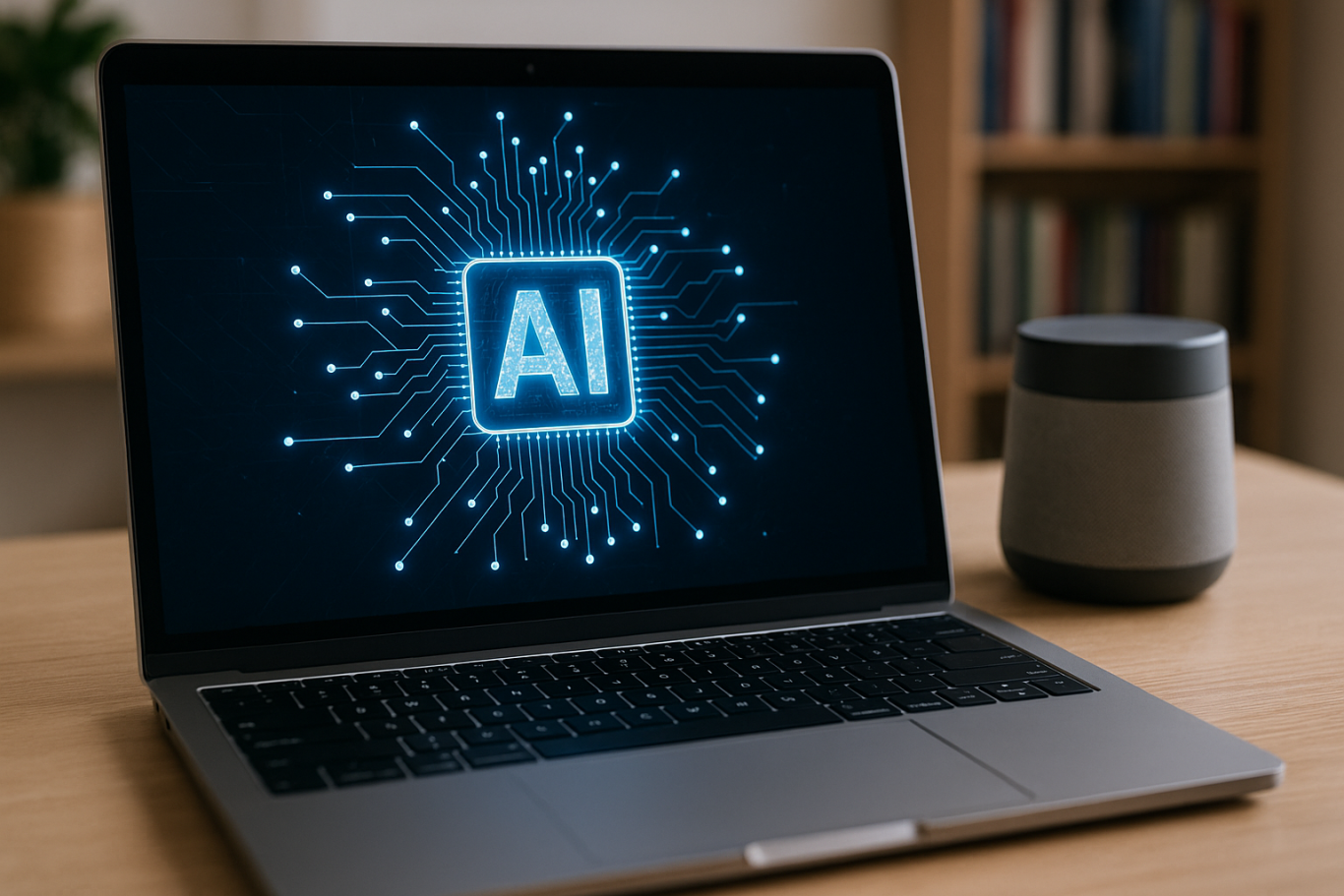
Artificial intelligence is also making its way into STEM classrooms. AI-powered platforms can offer instant feedback, personalize learning paths, and even simulate experiments in virtual labs. Students are also being introduced to how AI works, not just how to use it.

This exposure prepares children for a future where technology will continue to evolve rapidly. Understanding emerging technologies is becoming as important as understanding basic math or science.

Focus on Interdisciplinary Learning

In the future, STEM will not be taught in isolation. Interdisciplinary learning, often referred to as STEAM when incorporating the arts, is gaining popularity. Projects may combine coding with storytelling or physics with design.

This shift reflects how the real world works, where innovation often happens at the intersection of multiple disciplines. For parents, encouraging children to explore connections between subjects helps them develop more holistic thinking.

More Hands-On, Project-Based Learning
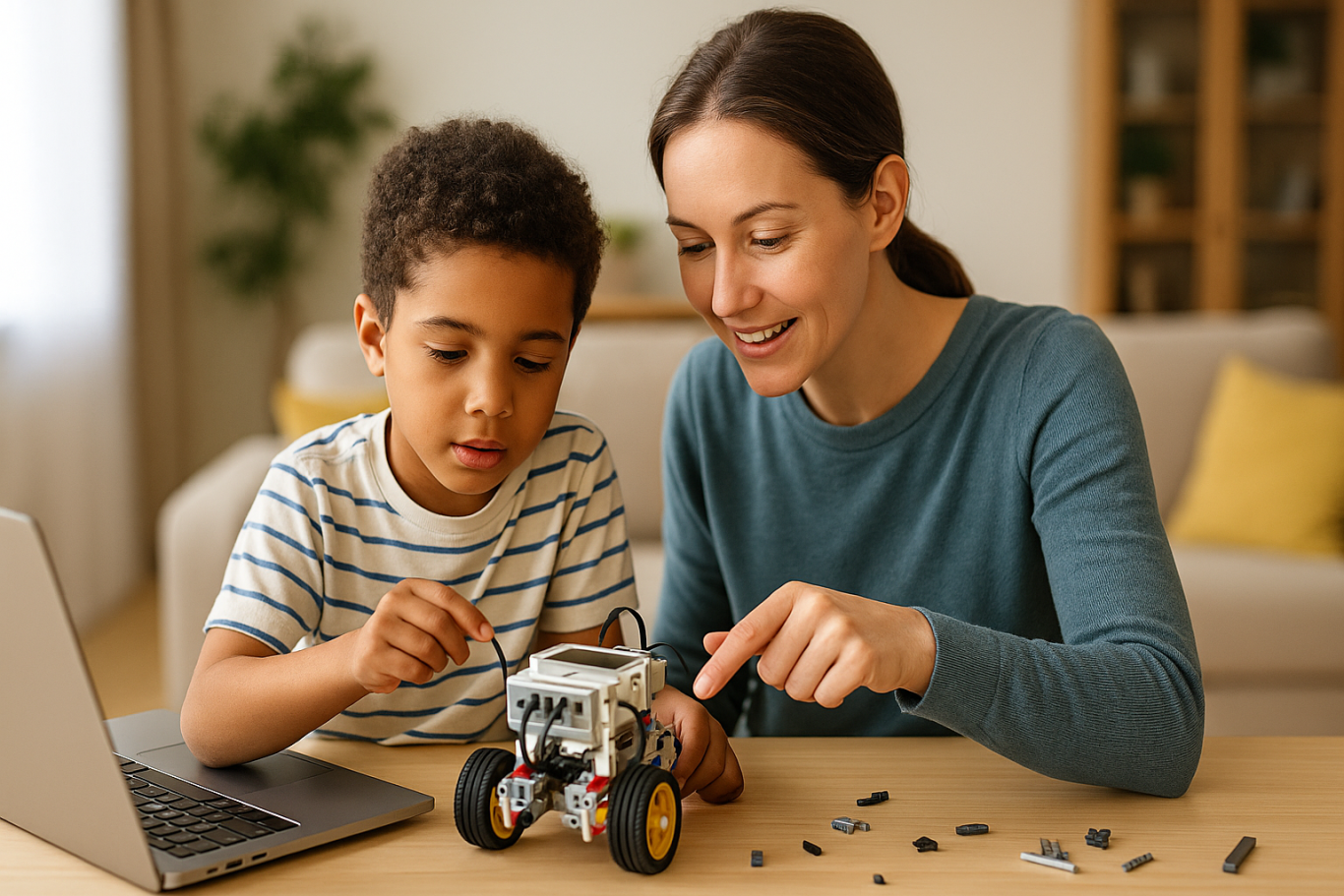
Another one of the key future trends in STEM education is project-based learning. Children are no longer just reading textbooks or memorizing facts. They are building, testing, and iterating on their own designs. From robotics kits to 3D printing, students now learn through experimentation.

Hands-on learning encourages trial and error and allows children to develop resilience. When a project fails, they learn to adapt and try new solutions, which is a critical skill in any STEM career path.

Increased Access Through Online Platforms
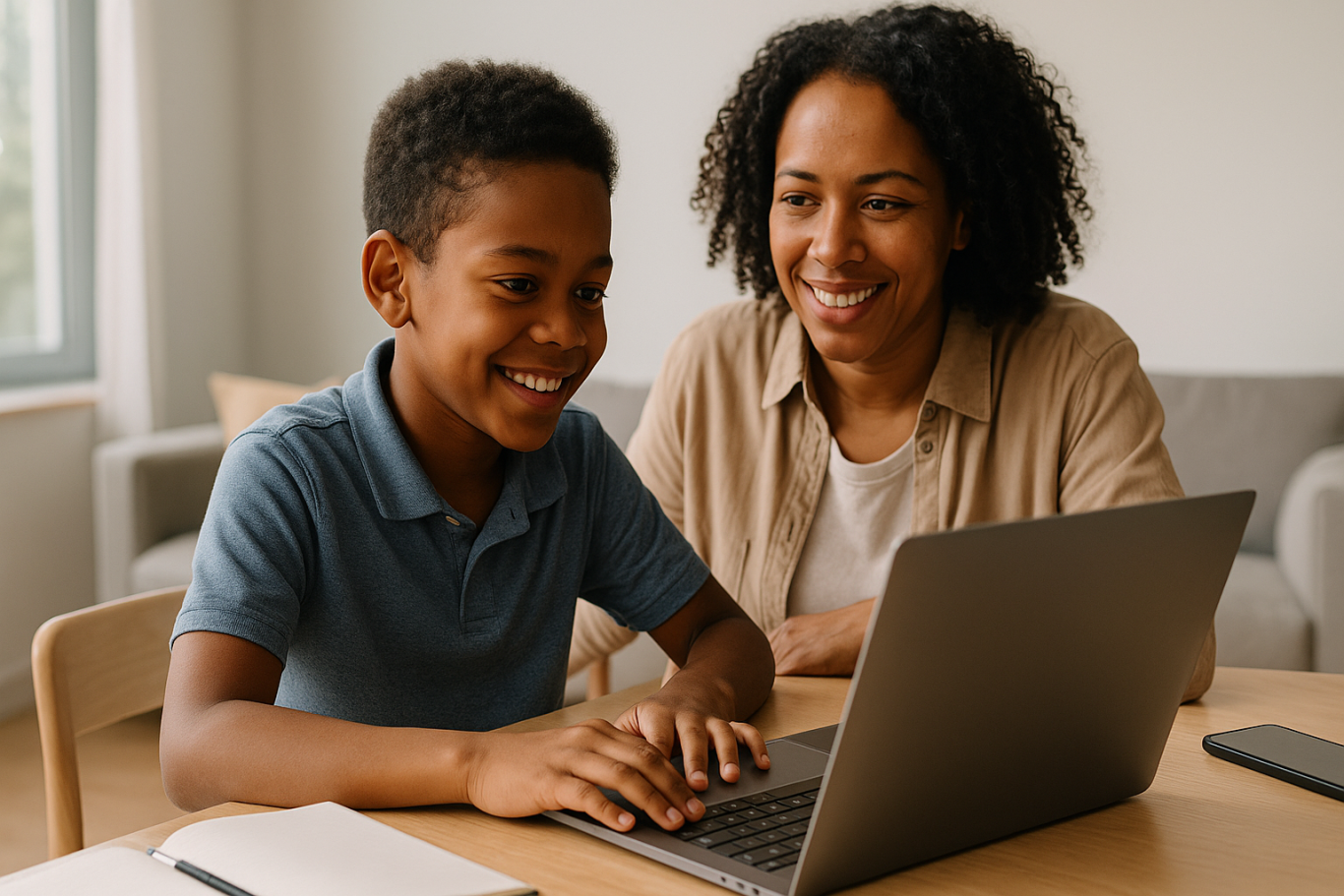
Online learning has become more refined and accessible. High-quality STEM content is now available to students from various backgrounds, often at low or no cost. This trend is helping to reduce gaps in education and allow more children to engage with STEM early on.

Parents can use these resources to support their child’s learning from home. Platforms like Timedoor Academy offer structured online courses in coding, robotics, and math that are designed for children and flexible for families.

Equity and Inclusion in STEM

There is growing awareness about the need for more diverse representation in STEM fields. Future trends in STEM education will continue to emphasize equity by making sure girls, underrepresented groups, and students with different learning needs have equal opportunities to thrive.

This includes inclusive teaching materials, diverse role models, and support systems that encourage every child to explore their interests in STEM regardless of background.

What This Means for Parents

Staying informed about the future trends in STEM education helps parents make better decisions about their child’s learning path. Whether through after-school programs, online courses, or simple encouragement at home, parents play a crucial role in nurturing a STEM mindset.

Understanding these trends also helps parents advocate for improved STEM education at school. By recognizing the direction education is heading, families can help children develop both the curiosity and confidence needed to succeed.

Explore STEM Learning at Home with Timedoor Academy

If you want your child to experience hands-on, future-ready STEM learning, Timedoor Academy offers interactive online courses in coding, robotics, and digital skills. Designed with young learners in mind, these programs build creativity, logic, and confidence.

 Image

Try a free class today and help your child stay ahead of the curve by exploring the future trends in STEM education in a fun and engaging way.
Keep Reading

How Virtual Reality in Kids Education Changes Learning
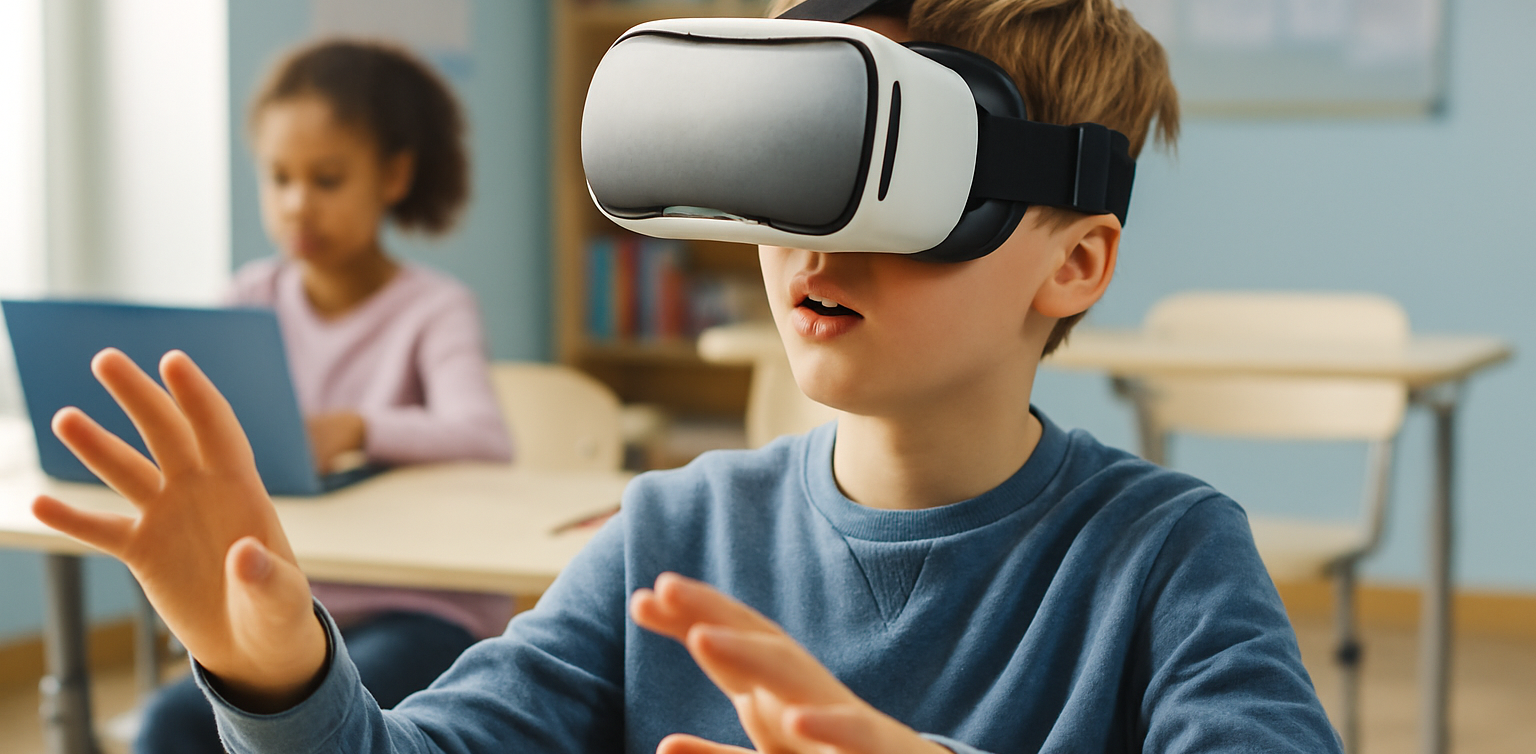
As technology becomes more embedded in daily life, education continues to evolve alongside it. One of the most exciting developments is the use of virtual reality in kids education, a concept that is no longer just futuristic. From classrooms to living rooms, VR is now used to enhance how children explore, understand, and retain knowledge. This article explores how VR is transforming the way kids learn, its benefits, real-world applications, and how parents and schools can embrace this shift.   What Is Virtual Reality in an Educational Context? Virtual reality is a digital simulation that allows users to interact with a 3D environment. In educational settings, it means that students can immerse themselves in topics such as history, science, art, and space in ways that were never possible before. Instead of reading about ancient civilizations, children can walk through virtual ruins. Rather than imagining the solar system, they can experience it in full scale. This hands-on approach to learning is what makes virtual reality in kids education so impactful.   From Passive Learning to Immersive Exploration Traditional learning often relies on reading, note-taking, and static visuals. While these methods are effective, they are not always engaging for every type of learner. Virtual reality enables multisensory learning experiences that feel more like exploration than instruction. For example, a child learning about volcanoes can virtually step inside one to see lava flow and tectonic plate movement. This type of experiential learning boosts curiosity and helps children grasp abstract or complex topics much faster.   Key Benefits of Virtual Reality in Kids Education 1. Increased Engagement and Motivation VR transforms lessons into adventures. Children are naturally more engaged when learning feels like play. This makes it easier to hold their attention and deepen their focus on the subject matter. 2. Better Knowledge Retention When children interact with content instead of simply reading or listening, their brains form stronger memory connections. VR helps students retain information through direct experience, not just memorization. 3. Safe Exploration of Real-World Concepts Certain experiments or field trips may be too dangerous, expensive, or inaccessible in real life. Virtual reality allows students to simulate these experiences safely. From exploring deep ocean ecosystems to observing chemical reactions, VR enables safe and repeatable learning. 4. Encourages Independent Learning Virtual reality in kids education supports autonomy. Children can learn at their own pace, repeat difficult lessons, and explore topics that interest them deeply. This fosters independent thinking and self-directed learning. 5. Inclusion for Different Learning Styles Some children learn visually, others through movement or sound. VR incorporates multiple modes of learning, helping educators reach students who might otherwise struggle with standard teaching formats.   Examples of VR Use in Real Classrooms Many educational institutions and platforms are already applying virtual reality in kids education. Some noteworthy tools include: Google Expeditions: Offers virtual field trips to locations such as the Great Wall of China or the surface of Mars. VictoryXR: Creates full science labs and virtual classrooms where students can conduct experiments. ClassVR: Provides ready-made curriculum-aligned content for schools to use with their students. These examples demonstrate how virtual reality in kids education is already improving outcomes in subjects like science, history, and geography.   How Parents and Teachers Can Get Started Adopting VR technology for learning doesn’t have to be expensive or difficult. Many educational VR platforms are compatible with smartphones and entry-level headsets. Parents can start by: Downloading trusted educational VR apps Using cardboard VR viewers with supported apps Setting screen time guidelines and offering support during learning sessions Teachers can integrate VR into their lesson plans by using tools that align with existing curriculum. It is important to ensure that content is age-appropriate and has clear learning objectives.   Things to Consider While the benefits are clear, there are a few considerations before adopting VR for children’s learning: Supervision: Younger kids need adult guidance to navigate VR content safely. Screen Time: Use VR as a supplement, not a replacement for human interaction or physical play. Content Quality: Not all VR apps are educational. Review each platform and select those developed by educators or trusted publishers. Equipment Requirements: Make sure devices are compatible and safe for children’s use. With thoughtful implementation, virtual reality in kids education can be a highly positive tool for both home and school environments.   The Future of Learning Is Immersive In 2025, virtual reality in kids education is no longer a novelty. It is becoming a core part of how children learn new skills, discover the world, and stay engaged in school. The technology is helping transform learning from something passive into something active, memorable, and exciting. As the cost of VR continues to decrease and content improves, more families and schools will be able to offer students this immersive learning experience.   Support Your Child’s Learning Journey with Timedoor Academy Looking for an engaging and tech-friendly way to support your child’s education? Timedoor Academy offers interactive online courses in coding, robotics, math, and digital creativity. While not all our classes use VR, they are designed with innovation and child engagement at the core. Sign up for a free trial class today and see how your child can build future-ready skills in a fun and structured environment — all from the comfort of home.
Pemrograman Java untuk anak SMA
Java Programming for High School Students: Unlock the World of Coding
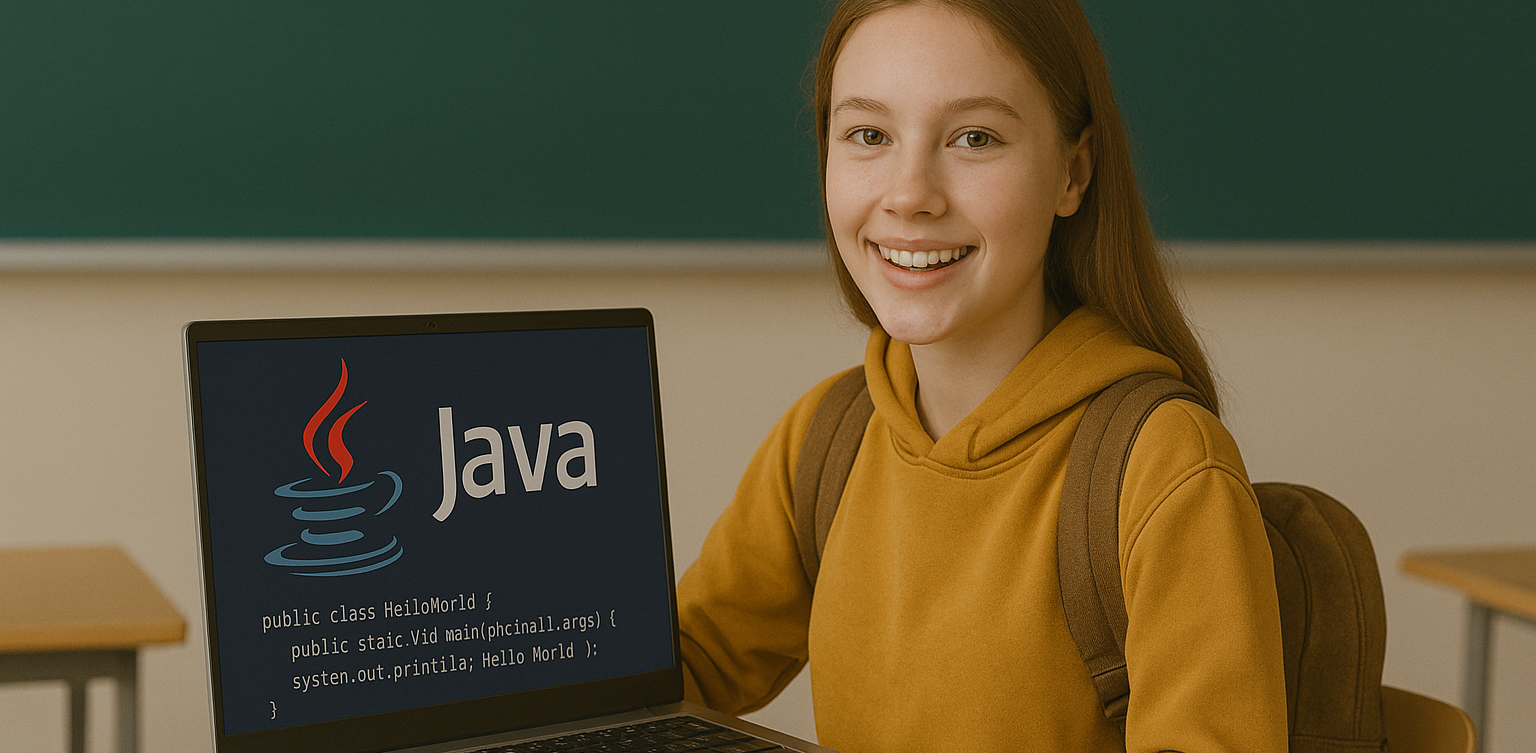
In today's fast-paced, technology-driven world, programming skills have become essential for young minds. For high school students looking to dive into the world of coding, Java programming for high school students is an excellent starting point. Java is one of the most widely used programming languages, known for its versatility, reliability, and ease of learning. It is used in everything from mobile apps to large-scale enterprise applications. Whether your child is interested in creating mobile games, building websites, or exploring artificial intelligence, Java programming for high school students provides a solid foundation. In this article, we will explore the importance of Java programming for high school students, how it can benefit their future, and why enrolling in a Java programming class for high school students is a smart choice. Why Java Programming is a Great Choice for High School Students Java programming for high school students offers a wide range of advantages for young learners: Universal Language: Java is a language that can run on any platform without needing to be re-written, which is known as its platform independence. This means students can write code once and run it anywhere, whether on Windows, macOS, or Linux. This cross-platform compatibility is a big advantage for aspiring developers. Foundation for Other Languages: Learning Java programming for high school students provides a strong foundation for other programming languages. Once students are comfortable with Java, transitioning to other languages like Python, C++, or JavaScript becomes much easier. Java introduces students to core programming concepts such as variables, loops, conditionals, and object-oriented programming. Job Opportunities: Java programming for high school students is one of the most in-demand skills in the job market. By learning Java early on, students set themselves up for future opportunities in fields such as software development, game design, web development, and even machine learning. Problem-Solving Skills: Java programming for high school students helps develop logical thinking and problem-solving skills. By learning to write code, students practice breaking down problems into manageable pieces and finding efficient solutions. These skills are not only valuable for coding but also essential in various other aspects of life. Real-World Applications: Java is used in numerous industries, from finance to entertainment. It powers Android mobile apps, large-scale enterprise systems, cloud-based applications, and much more. By learning Java programming for high school students, they gain exposure to real-world applications and can apply their knowledge to projects with practical uses. Benefits of Java Programming for High School Students Enrolling in a Java programming class for high school students can provide several key benefits: Structured Learning Path: While there are plenty of online tutorials and resources available, taking a formal Java programming class for high school students provides a structured approach. Students learn from experienced instructors who guide them through the fundamentals and advanced topics, ensuring they build a strong understanding of the language. Hands-On Experience: Programming is best learned through practice. Java programming classes for high school students typically involve hands-on coding exercises, allowing students to apply their knowledge in real-time. Whether it's building a simple calculator or creating a basic game, students get to experience the thrill of bringing their ideas to life. Access to Expert Guidance: Learning a programming language can be challenging, especially for beginners. Having access to expert instructors in a classroom setting allows students to ask questions, get feedback, and receive help when they encounter difficulties. This can boost their confidence and keep them motivated throughout the learning process. Collaborative Environment: Many Java programming classes for high school students encourage teamwork and collaboration. Students often work on group projects, where they can learn from one another, share ideas, and tackle challenges together. Collaboration enhances their communication skills and prepares them for future careers that require teamwork. Portfolio Building: One of the most valuable aspects of taking a Java programming class for high school students is the opportunity to build a programming portfolio. Students can showcase their projects, whether it's a simple game or a web application, to potential employers or universities. A strong portfolio can set them apart from others in the competitive tech industry. What Students Will Learn in Java Programming Classes A typical Java programming class for high school students covers a wide range of topics, including: Introduction to Java: Students learn the basics of Java programming for high school students, including how to install and set up the Java development environment. They'll also learn about the syntax of Java and how to write simple programs. Variables and Data Types: Students learn how to use variables to store data and how to work with different data types such as integers, strings, and booleans. They'll also learn how to perform operations on variables. Control Flow: Students are introduced to control flow concepts such as conditionals (if-else statements) and loops (for, while), which help in making decisions and repeating actions within a program. Object-Oriented Programming (OOP): One of the key features of Java is its object-oriented nature. Students learn how to create and work with classes and objects, which is essential for developing complex applications. Functions and Methods: Students learn how to define and call functions (or methods) to perform specific tasks within their programs. This is essential for organizing code and making programs more efficient. Arrays and Collections: Students learn how to store and manage collections of data, such as arrays and lists, which are essential for building more advanced programs. Exception Handling: Java programming classes for high school students introduce students to the concept of error handling, teaching them how to anticipate and manage potential errors in their programs. GUI Development: Students may also learn the basics of creating graphical user interfaces (GUIs), allowing them to build user-friendly applications with buttons, text fields, and other interactive elements. Project Development: As a final step, students often work on a larger project, applying everything they've learned to create a complete Java application. This could be a simple game, a calculator, or a more complex system. Why Timedoor Academy’s Java Programming Class Is Perfect for High School Students At Timedoor Academy, we offer Java programming classes for high school students specifically designed to help young learners succeed. Our classes provide a well-rounded curriculum that covers everything from the basics to advanced topics. Our experienced instructors are passionate about teaching and helping students succeed, and our hands-on approach ensures that students gain practical coding experience. We believe in making coding fun and accessible, and our classes are designed to engage students with interactive lessons, real-world projects, and collaborative work. Whether your child is new to programming or has some experience, our Java programming classes for high school students will help them develop their coding skills and prepare them for future success in the tech industry. The Power of Java Programming for High School Students Java programming for high school students is a valuable skill that can open doors to numerous career opportunities in the technology field. By enrolling in a Java programming class for high school students, they gain a solid foundation in coding that can serve as a stepping stone for future endeavors. The skills they acquire will not only help them in their academic journey but also prepare them for a bright future in the ever-evolving world of technology. Start your child’s coding journey today with Timedoor Academy in free trial class and watch them unlock their potential in the world of programming!
Cara Membuat Game di Roblox untuk Anak-Anak
How to Create a Roblox Game for Kids: Easy Guide
Roblox is a fantastic platform that allows kids to create, play, and share their own games. Learning how to create a game in Roblox can be a rewarding and fun experience for children, helping them develop creativity and basic coding skills. In this easy guide, we’ll walk you through step-by-step how your child can start creating their very own Roblox game. Creating Roblox Game For Kids Step 1: Setting Up Roblox Game Studio For Your Kids To create games, kids first need Roblox Game Studio. Here’s how to set it up: Log in to your Roblox account. Go to the Roblox Studio website and click on "Start Creating." Follow the simple instructions to install Roblox Studio on your computer. Step 2: Choose a Roblox Game Template For Your Kids Roblox Game offers several easy-to-use templates to help beginners: Open Roblox Studio. Select "New," and then choose a template like "Obby" (Obstacle Course) or "Baseplate." Step 3: Customize Your Roblox Game For Your Kids Encourage your child to personalize their roblox game: Drag and drop different objects from the Toolbox. Click objects to move, rotate, or resize them. Customize colors and textures to make the game visually appealing. Step 4: Add Simple Roblox Gameplay Elements For Your Kids Make the roblox game interactive: Add checkpoints or obstacles in an Obby game. Use scripts from the Toolbox to easily add functionality. Test the game frequently by clicking the "Play" button at the top. Step 5: Publish and Share Your Kids Roblox Game Once your roblox game is ready, follow these simple steps: Click "File" then select "Publish to Roblox." Enter a fun and descriptive name for the game. Choose settings like visibility (Public or Private). Click "Create" to publish your game. Tips for Kids Creating Roblox Game Start simple: Create a basic game and gradually add more features. Explore tutorials: Roblox provides great beginner tutorials. Experiment: Don’t be afraid to try new things Start Your Kids Roblox Game Journey Today! Creating Roblox games is an excellent way for kids to express creativity while learning valuable skills. Follow our simple steps and your child can easily build their first Roblox game today. Want more learning experiences? Timedoor Academy offers free classes to help your kids dive deeper into coding and game design. Join the Free Trial Class now and keep the fun going!
float button