Jul 10, 2023

Timedoor Academy Competition and Exhibition 2023 Update!

Timedoor Academy Competition and Exhibition 2023 Update! image

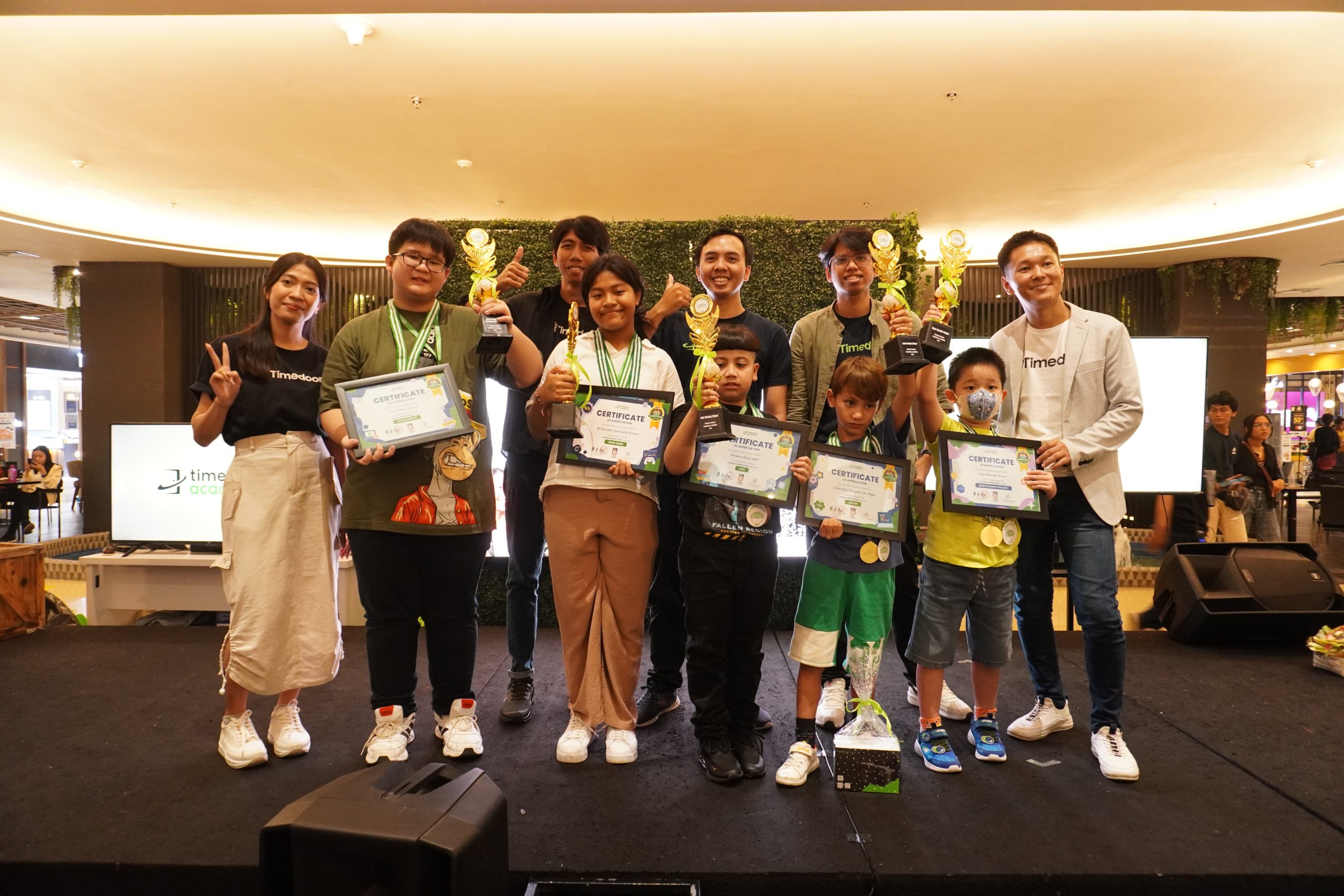
Congrats For All the Winners!

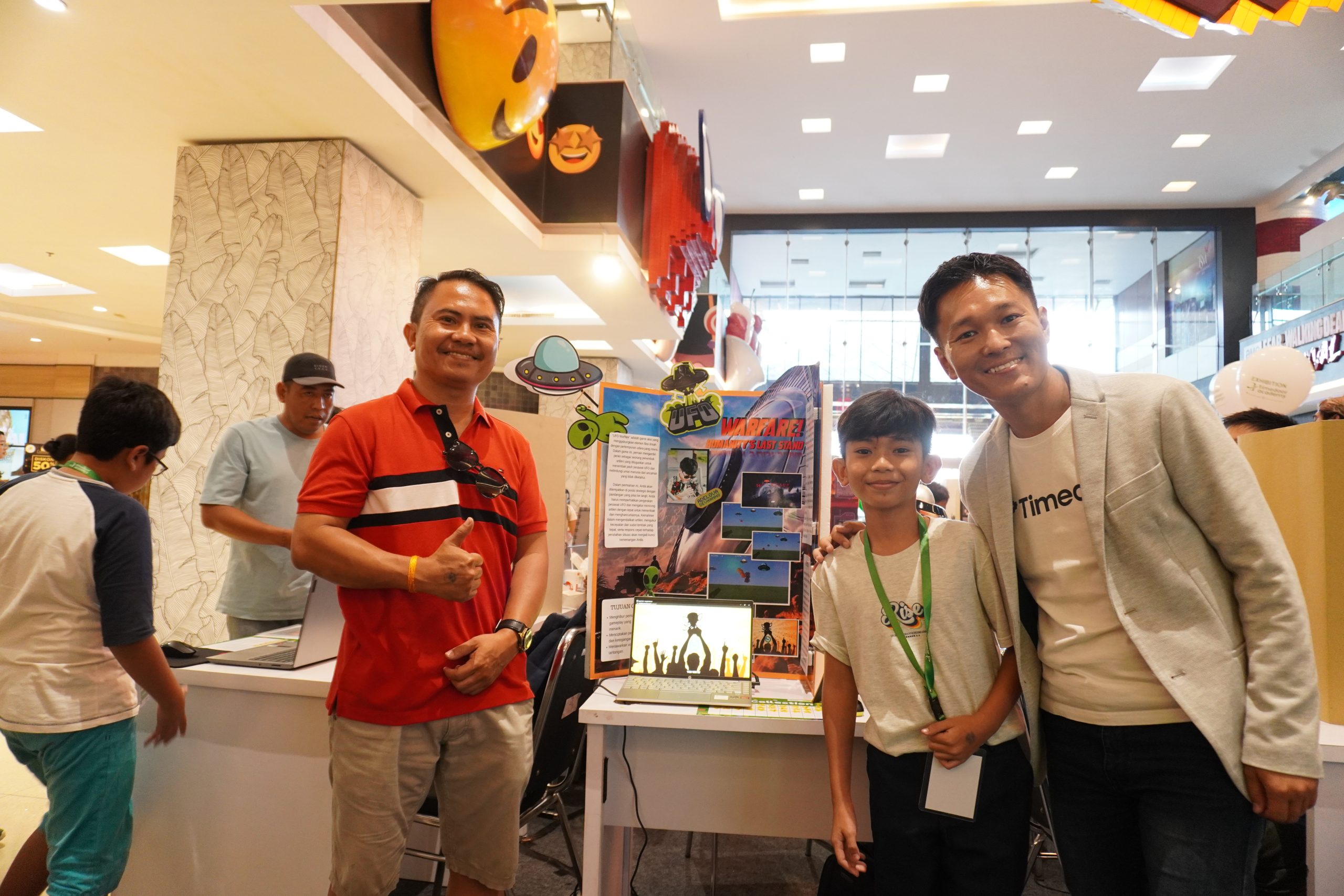
Timedoor Academy Coding Competition and Exhibition 2023 is an event that aims to provide a platform for all Timedoor Academy students to show projects that have been made, ranging from games, and websites to applications. The preliminary round was attended by 100++ participants from all over Indonesia. From this number of participants, an elimination stage will then be carried out until 30 Selected Participants are selected to take part in the Exhibition Round which will be held directly at Trans Studio Mall Bali on Sunday, June 25 2023.

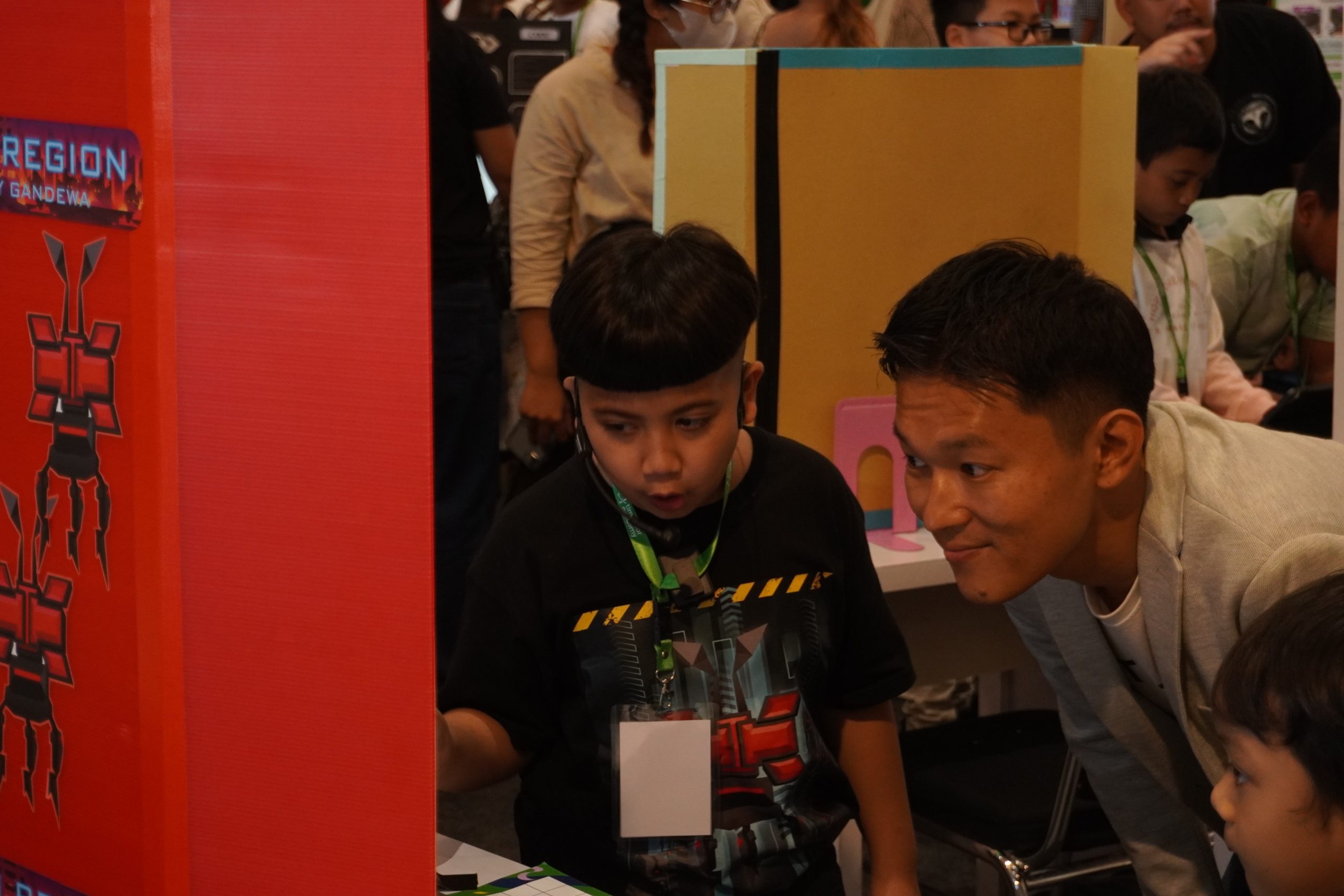
The 30 best participants from each category took part in the Exhibition Round at Trans Studio Mall Bali and this exhibition was attended by approximately 500 ++ visitors who were interested in seeing the participant’s projects. Visitors also had the opportunity to give star labels to the participants who would later be awarded as Most Favorite Project By Visitor. Here is the following list of winners at the 2023 Timedoor Academy Competition and Exhibition divided by category:

MOST FAVORITE PROJECT
STUDENT’S NAME PROJECT’S NAME ORIGIN
Hugo Alexander Kusuma Game in Kodu Bali
JUNIOR CATEGORY WINNER
STUDENT’S NAME  PROJECT’S NAME ORIGIN
I Gede Kelvin Narendra Van Veggel Mario Cycle Bali
KIDS CATEGORY WINNER
STUDENT’S NAME  PROJECT’S NAME ORIGIN
Gandewa Arjuna Gelar Fallen Region Tangerang
TEENS GAME CATEGORY WINNER
STUDENT’S NAME  PROJECT’S NAME ORIGIN
Ni Putu Bella Septiandita Rustama Robot With Their Future Bali
TEENS WEBSITE CATEGORY WINNER
STUDENT’S NAME  PROJECT’S NAME ORIGIN
Edgar Davey Tanibulie Website Doraemon Makassar

Congratulations to all the winners in each category. Thank you to all participants who have participated in Timedoor Competition & Exhibition 2023 this time. Hopefully, this will be a good start for all of us to introduce learning coding to children.

Keep Reading

keterampilan teknologi untuk anak
The Future of Work: Top Tech Skills for Kids to Succeed Tomorrow
As we move deeper into the digital age, tech skills for kids are no longer optional. They are becoming just as essential as reading, writing, and math. With industries increasingly relying on technology, children need to be equipped with the right digital tools and knowledge to stay ahead. By learning tech skills early, kids can prepare for a future filled with opportunities in science, engineering, design, and other fast-growing fields.   Why Tech Skills for Kids Are More Important Than Ever Technology is rapidly changing how we work, learn, and communicate. In the past, children could grow up and find stable jobs without needing much technical knowledge. Today, even non-technical fields expect basic digital literacy. Professions such as marketing, healthcare, logistics, and education all require some level of tech fluency. That is why building strong tech skills for kids should be a priority in every household. Children who develop a comfort with technology early on are more likely to adapt quickly to new systems, think critically, and solve problems creatively. These are not just technical skills but life skills that will help them thrive in a variety of careers.   Essential Tech Skills for Kids in 2025 and Beyond Here are some of the most valuable tech skills for kids that parents and educators should focus on: 1. Coding and Programming Learning to code is like learning a new language, and children are especially good at picking up languages when they start young. Platforms like Scratch, Blockly, and Python-based tools make coding fun and engaging. These tools teach kids how to build games, apps, and websites while developing logical thinking and problem-solving abilities.   2. Typing and Computer Literacy Before diving into more advanced skills, kids need to master the basics. This includes proper typing, navigating operating systems, using a keyboard and mouse, and understanding file structures. These fundamental tech skills for kids help them complete school assignments efficiently and prepare them for more complex tech learning.   3. Digital Creativity and Design Children love to create, and today’s digital tools offer endless possibilities. Whether it is designing graphics, editing videos, or making simple animations, creative platforms like Canva, Tinkercad, and iMovie allow kids to express themselves while building useful tech abilities. Encouraging digital creativity is one of the most fun ways to improve tech skills for kids.   4. Internet Safety and Digital Citizenship Tech skills go beyond using devices. Kids must also learn how to stay safe online, recognize reliable information, and communicate respectfully in digital spaces. Teaching internet safety and digital ethics is crucial for preparing responsible future digital citizens.   5. Robotics and Engineering Basics Robotics introduces kids to mechanical thinking, sensors, automation, and problem-solving. With kid-friendly kits like LEGO Mindstorms or VEX Robotics, children can explore how real-world machines work. These hands-on experiences provide engaging ways to build tech skills for kids and spark interest in STEM careers.   6. Data Handling and Logical Thinking Understanding how to collect, analyze, and interpret data is becoming a key skill in both tech and non-tech fields. Kids can learn data basics through games or classroom projects. Introducing simple concepts like charts, graphs, or patterns enhances their analytical thinking and boosts their overall digital confidence.   How Parents Can Support Tech Skills Development Even if you are not tech-savvy yourself, there are many ways to help your child build strong tech skills for kids at home: Set up learning time: Create a routine that includes tech learning alongside play and study time. Choose the right tools: Use age-appropriate apps, games, and websites designed for tech education. Encourage exploration: Let kids experiment and learn by doing, even if they make mistakes. Sign up for courses: Platforms like Timedoor Academy offer coding, animation, and digital literacy classes tailored for kids. Model healthy screen habits: Teach children how to use technology responsibly by demonstrating balance and purpose in your own digital behavior.   The Future Job Market Is Digital The future of work is likely to include jobs that do not even exist today. Careers in virtual reality, artificial intelligence, environmental tech, and other advanced fields will become common. The one thing they will all have in common is the need for strong tech skills for kids. Preparing your child now will not only boost their academic performance but also set them up for lifelong success.   Empowering the Next Generation Through Tech Skills for Kids Investing in tech skills for kids is one of the smartest moves parents can make today. As technology continues to evolve, children who are comfortable using digital tools, thinking critically, and adapting to change will have a clear advantage in school and in the workplace. Whether your child dreams of becoming a game developer, an engineer, or even a digital artist, the journey starts with the right skills and encouragement.   Ready to Help Your Child Build Strong Tech Skills? If you're looking for a fun and structured way to introduce tech skills for kids, Timedoor Academy offers engaging online courses designed for young learners. From coding and game development to digital creativity, our expert instructors make learning tech both fun and educational. By enrolling in Timedoor Academy, your child will have the opportunity to build essential skills that will prepare them for future success. Start their learning journey today by signing up for a free trial class. Give them the tools to thrive in the digital world and beyond. Join Timedoor Academy Now
Children Using AI In Esducation
How to Use AI in Kids Education: A Step-by-Step Guide to Revolutionizing Learning
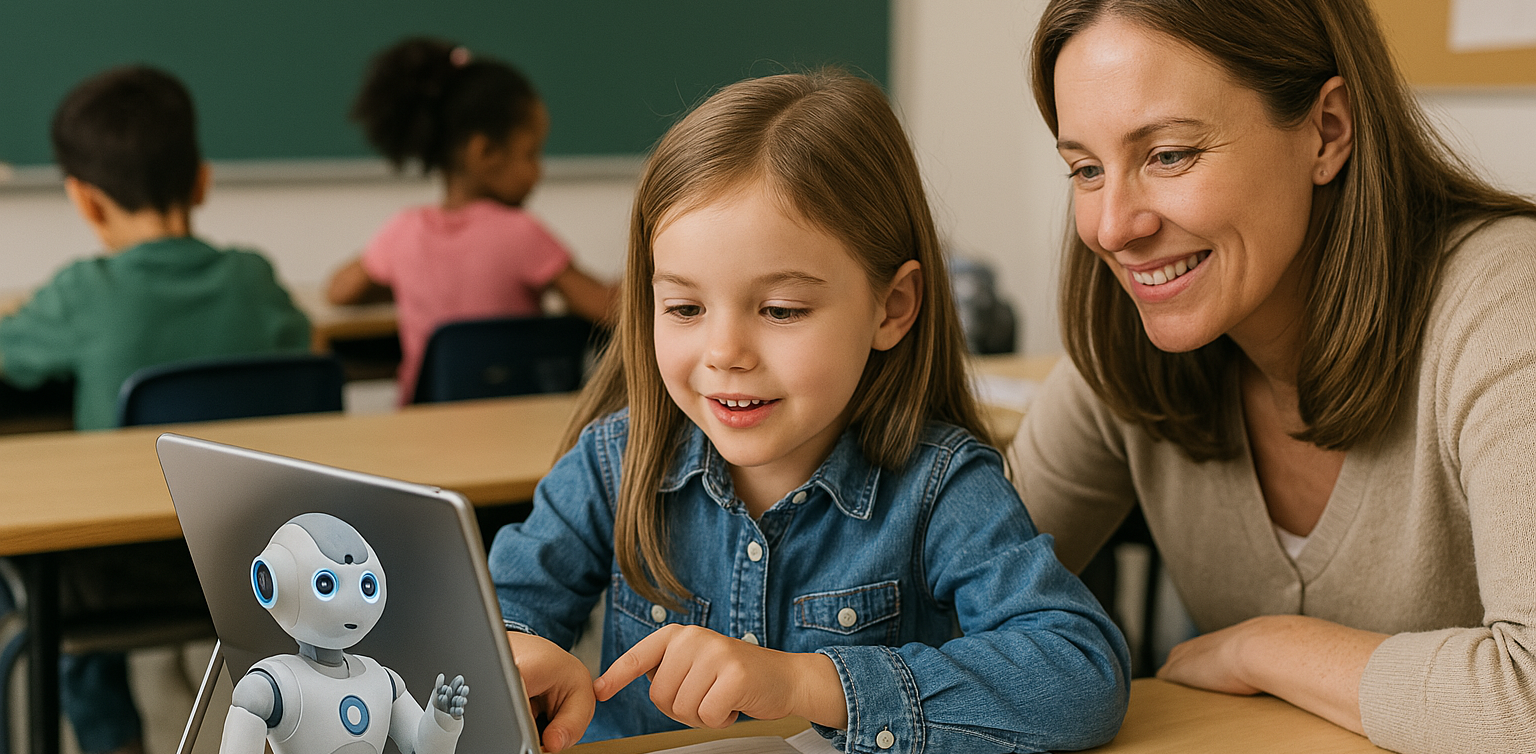
AI in kids education is transforming the way kids learn by offering personalized, engaging, and effective learning experiences. Whether you're an educator, parent, or guardian, using AI-powered tools in children's education can make a significant impact on their academic success. This step-by-step guide will show you how to incorporate AI in kids education from understanding its role to effectively using it in everyday learning settings. Step 1: Understand The Benefit of AI in Kids Education The first step in using AI in kids education is to understand its potential benefits. AI-powered tools can: Personalize learning by adapting to each child’s pace and needs. Provide instant feedback to help children improve faster. Offer a variety of learning resources, such as videos, quizzes, and games, that keep kids engaged. Support children with special needs by providing tailored learning tools. These benefits create a dynamic and effective learning environment, enabling kids to excel at their own pace. Step 2: Choose the Right AI-Powered Learning Apps to Support AI in Kids Education Choosing the right AI-powered learning apps is essential to support your AI in kids education. Here are some popular options: Khan Academy Kids: Offers personalized learning paths for children aged 2-8 in subjects like math, reading, and problem-solving. DreamBox: A math-focused app for kids in kindergarten through 8th grade that adjusts difficulty based on the child’s learning pace. Scratch: A visual programming language for children to learn coding through interactive games and animations. Duolingo: An AI-driven language learning app that helps kids learn new languages with immediate feedback. By selecting the best apps, you can ensure that your kid receives the most effective AI-enhanced education. Step 3: Implement AI in Kids Education For Daily Learning Routines Now that you have the right tools, to support AI in kids education, it’s time to integrate AI-powered educational tools into your child’s daily routine: Daily practice: Encourage daily use of AI apps for short sessions to reinforce what they’ve learned. Homework help: Use Socratic by Google for assistance with homework and to provide explanations for complex problems. Interactive learning: Incorporate fun, hands-on activities using Tynker for coding or Osmo for interactive learning games. Integrating AI into daily routines helps children make steady progress while keeping learning fun. Step 4: Track Progress and Adjust Learning Paths of AI in Kids Education One key benefit of using AI in kids education is its ability to track progress. Most AI-powered tools provide built-in analytics that monitor a child’s performance. Here’s how to track and adjust: Review progress reports: Apps like DreamBox and Khan Academy Kids provide reports that show areas of strength and where improvement is needed. Adjust learning paths: Based on progress reports, you can adjust your child’s learning path to focus on areas where they need more practice. Set goals: Work with your child to set goals and use AI data to track their achievements and motivate them to reach milestones. Regularly reviewing progress ensures the learning experience remains effective and keeps your children challenged. Step 5: Use AI in Kids Education to Support Special Education Needs AI in Kids Education can significantly support children with special educational needs. Personalized learning tools cater to the unique needs of each child, providing a more inclusive educational experience. Examples include: Speech recognition tools for children with hearing impairments or speech delays. Visual aids for children with autism spectrum disorders to better understand concepts. Cognitive training apps to improve focus and memory for children with ADHD. AI-powered tools designed for special education help create an inclusive learning environment where every child can thrive. Step 6: Foster Collaboration with Group Learning of AI in Kids Education AI is not just for individual learning—it also supports group learning. Many AI-powered apps allow children to collaborate on projects. Here’s how: Group challenges: Apps like Scratch and Tynker allow children to collaborate on coding projects, fostering teamwork and creative problem-solving. Peer learning: Platforms like Google Classroom foster group discussions and collaborative learning with real-time AI feedback. Teacher-student collaboration: AI tools assist teachers in monitoring group projects and providing personalized feedback to each student. Group learning with AI promotes communication and teamwork while enhancing learning outcomes. Step 7: Monitor Safety and Well-being of AI in Kids Education It’s essential to ensure that AI in Kids Education uses AI tools in a safe environment. Here are some key safety measures: Limit screen time: Set time limits for using AI apps to avoid overuse and encourage breaks. Monitor activity: Track the content your child engages with to ensure it is age-appropriate. Privacy settings: Ensure the apps have proper privacy settings and don’t collect unnecessary personal data. By monitoring your child’s use of AI tools, you can ensure a safe and productive learning experience. The Future of Learning with AI in Kids Education Using AI in kids education is revolutionizing the way kids learn, offering personalized, engaging, and inclusive learning experiences. By following these steps—understanding AI’s benefits, choosing the right tools, implementing them in daily routines, tracking progress, and ensuring safety—you can help your child make the most of AI-powered education. At Timedoor Academy, we leverage AI to enhance children's learning experiences, helping them develop critical skills like coding, problem-solving, and creativity. Join our free trial class and give your child the tools they need to succeed in the future of education.
How Virtual Reality in Kids Education Changes Learning
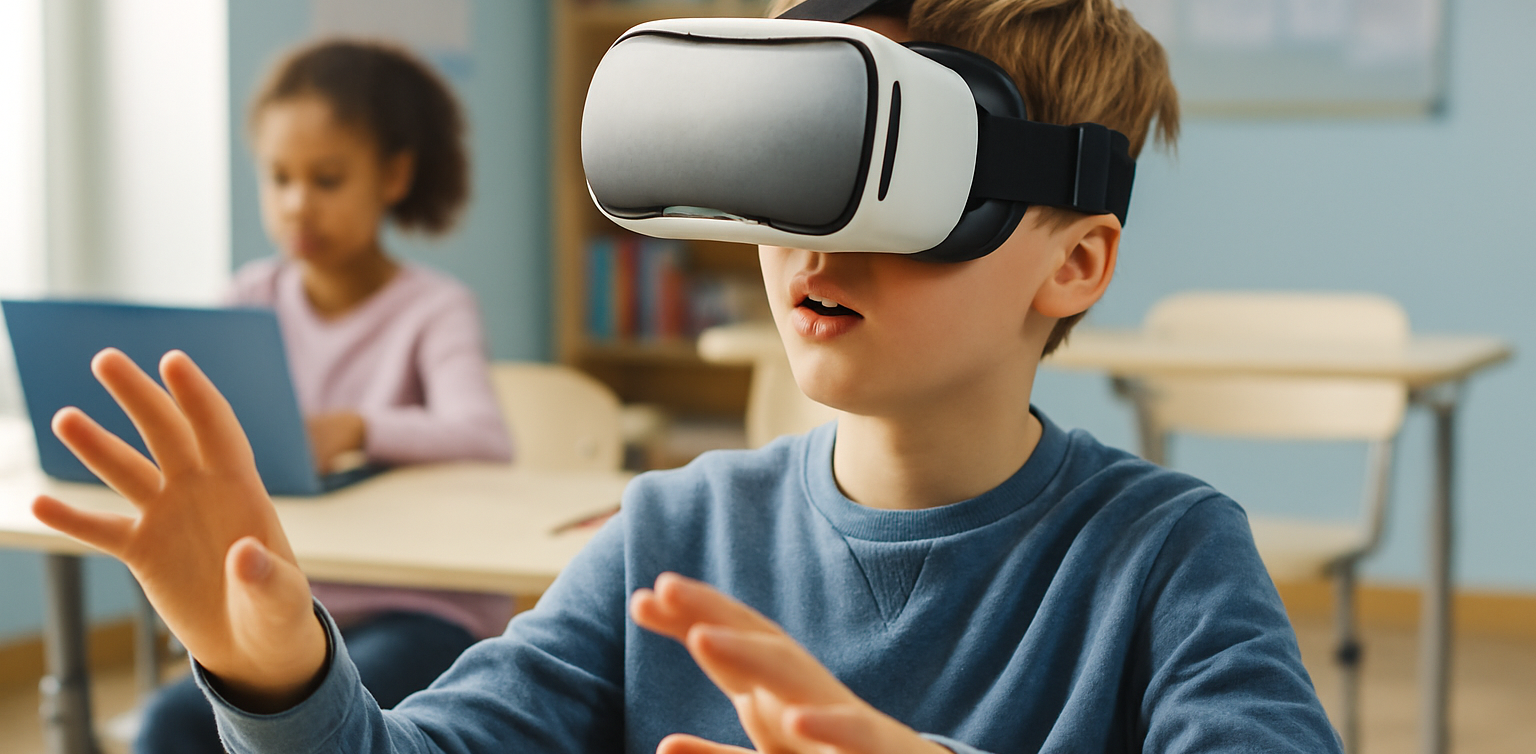
As technology becomes more embedded in daily life, education continues to evolve alongside it. One of the most exciting developments is the use of virtual reality in kids education, a concept that is no longer just futuristic. From classrooms to living rooms, VR is now used to enhance how children explore, understand, and retain knowledge. This article explores how VR is transforming the way kids learn, its benefits, real-world applications, and how parents and schools can embrace this shift.   What Is Virtual Reality in an Educational Context? Virtual reality is a digital simulation that allows users to interact with a 3D environment. In educational settings, it means that students can immerse themselves in topics such as history, science, art, and space in ways that were never possible before. Instead of reading about ancient civilizations, children can walk through virtual ruins. Rather than imagining the solar system, they can experience it in full scale. This hands-on approach to learning is what makes virtual reality in kids education so impactful.   From Passive Learning to Immersive Exploration Traditional learning often relies on reading, note-taking, and static visuals. While these methods are effective, they are not always engaging for every type of learner. Virtual reality enables multisensory learning experiences that feel more like exploration than instruction. For example, a child learning about volcanoes can virtually step inside one to see lava flow and tectonic plate movement. This type of experiential learning boosts curiosity and helps children grasp abstract or complex topics much faster.   Key Benefits of Virtual Reality in Kids Education 1. Increased Engagement and Motivation VR transforms lessons into adventures. Children are naturally more engaged when learning feels like play. This makes it easier to hold their attention and deepen their focus on the subject matter. 2. Better Knowledge Retention When children interact with content instead of simply reading or listening, their brains form stronger memory connections. VR helps students retain information through direct experience, not just memorization. 3. Safe Exploration of Real-World Concepts Certain experiments or field trips may be too dangerous, expensive, or inaccessible in real life. Virtual reality allows students to simulate these experiences safely. From exploring deep ocean ecosystems to observing chemical reactions, VR enables safe and repeatable learning. 4. Encourages Independent Learning Virtual reality in kids education supports autonomy. Children can learn at their own pace, repeat difficult lessons, and explore topics that interest them deeply. This fosters independent thinking and self-directed learning. 5. Inclusion for Different Learning Styles Some children learn visually, others through movement or sound. VR incorporates multiple modes of learning, helping educators reach students who might otherwise struggle with standard teaching formats.   Examples of VR Use in Real Classrooms Many educational institutions and platforms are already applying virtual reality in kids education. Some noteworthy tools include: Google Expeditions: Offers virtual field trips to locations such as the Great Wall of China or the surface of Mars. VictoryXR: Creates full science labs and virtual classrooms where students can conduct experiments. ClassVR: Provides ready-made curriculum-aligned content for schools to use with their students. These examples demonstrate how virtual reality in kids education is already improving outcomes in subjects like science, history, and geography.   How Parents and Teachers Can Get Started Adopting VR technology for learning doesn’t have to be expensive or difficult. Many educational VR platforms are compatible with smartphones and entry-level headsets. Parents can start by: Downloading trusted educational VR apps Using cardboard VR viewers with supported apps Setting screen time guidelines and offering support during learning sessions Teachers can integrate VR into their lesson plans by using tools that align with existing curriculum. It is important to ensure that content is age-appropriate and has clear learning objectives.   Things to Consider While the benefits are clear, there are a few considerations before adopting VR for children’s learning: Supervision: Younger kids need adult guidance to navigate VR content safely. Screen Time: Use VR as a supplement, not a replacement for human interaction or physical play. Content Quality: Not all VR apps are educational. Review each platform and select those developed by educators or trusted publishers. Equipment Requirements: Make sure devices are compatible and safe for children’s use. With thoughtful implementation, virtual reality in kids education can be a highly positive tool for both home and school environments.   The Future of Learning Is Immersive In 2025, virtual reality in kids education is no longer a novelty. It is becoming a core part of how children learn new skills, discover the world, and stay engaged in school. The technology is helping transform learning from something passive into something active, memorable, and exciting. As the cost of VR continues to decrease and content improves, more families and schools will be able to offer students this immersive learning experience.   Support Your Child’s Learning Journey with Timedoor Academy Looking for an engaging and tech-friendly way to support your child’s education? Timedoor Academy offers interactive online courses in coding, robotics, math, and digital creativity. While not all our classes use VR, they are designed with innovation and child engagement at the core. Sign up for a free trial class today and see how your child can build future-ready skills in a fun and structured environment — all from the comfort of home.
float button