Apr 25, 2025

Why Scratch Games for Kids Are the Best Educational Tool
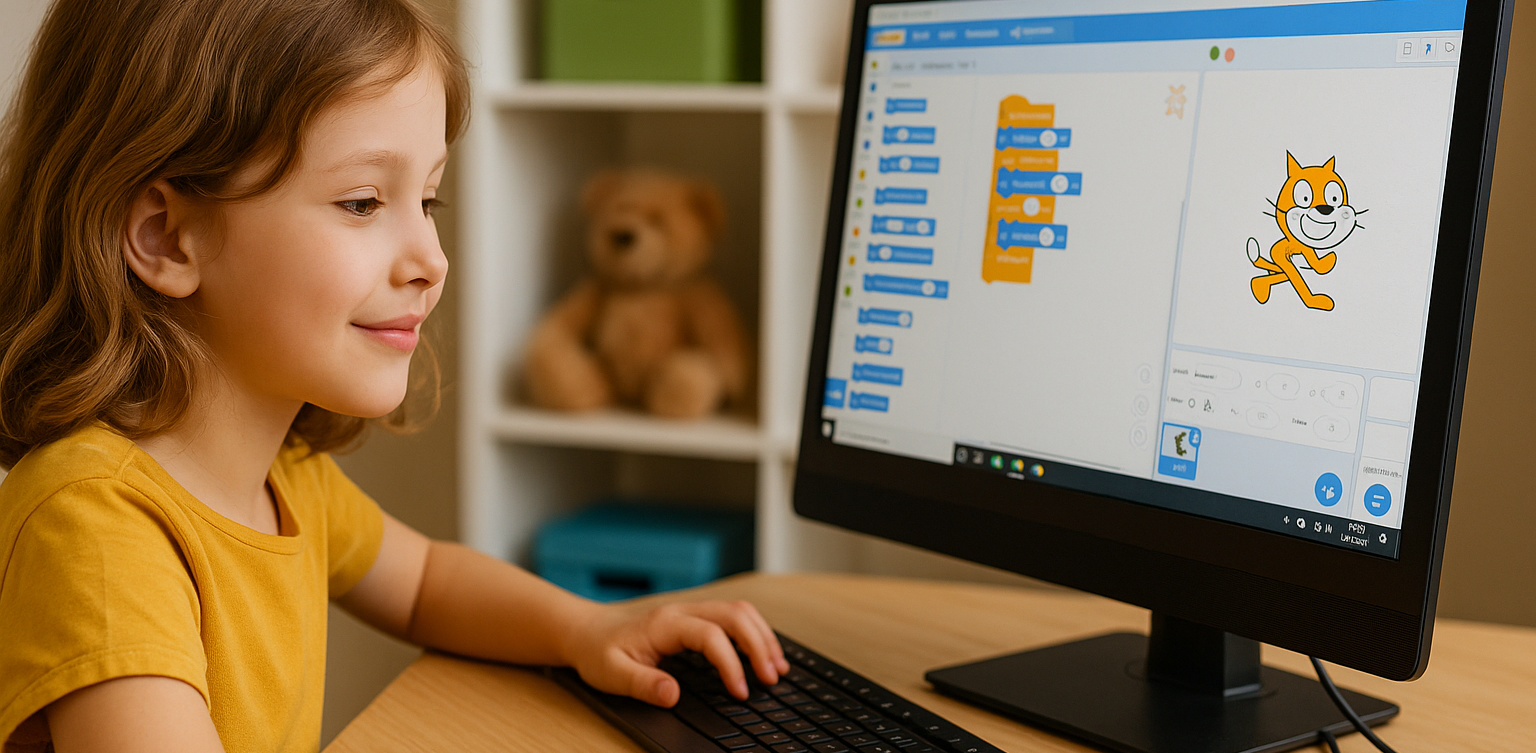
Why Scratch Games for Kids Are the Best Educational Tool image

In today’s world, where digital technologies play a massive role, it’s important for children to develop the skills needed to thrive in an ever-evolving environment. One of the best ways to do this is through engaging, educational tools like Scratch games for kids. Scratch, a visual programming language, has become a go-to platform for introducing kids to the world of coding and game development. It offers a hands-on approach that encourages creativity, logical thinking, and problem-solving. Here’s why Scratch games for kids should be an essential part of your child’s learning journey.

1. Scratch Games for Kids Foster Creativity and Imagination
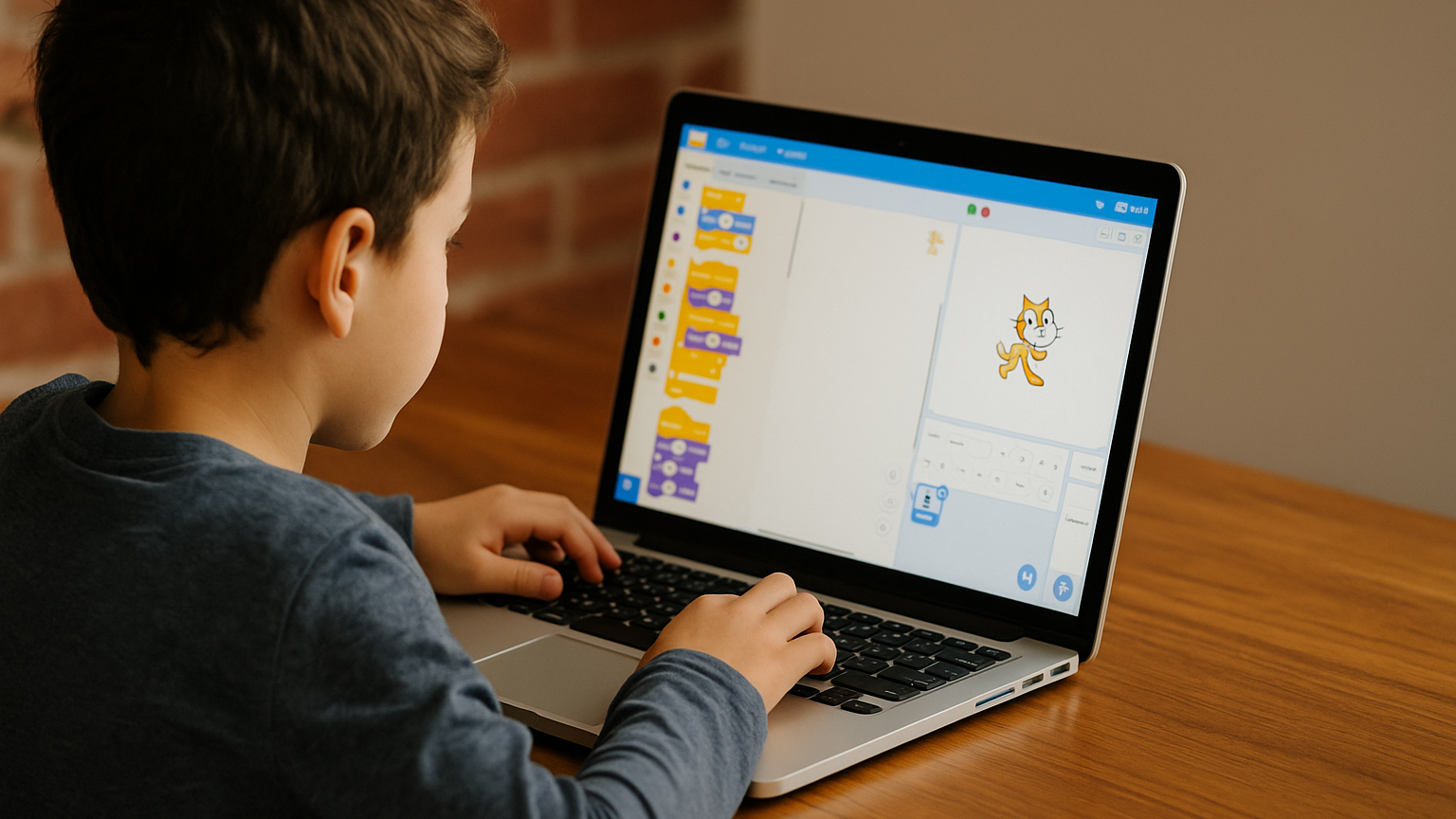
scratch games for kids

One of the standout benefits of Scratch games for kids is their ability to spark creativity and imagination. Scratch allows children to design their own interactive stories, animations, and games. This creative freedom encourages kids to think beyond the box and develop their original ideas. With Scratch games for kids, your child can experiment with character designs, develop storylines, and even create custom sounds for their games. This is not only fun but also promotes a creative mindset that benefits them in other aspects of learning and life.

By using Scratch games for kids, children can learn how to blend technology with creativity. Instead of simply consuming content, they actively engage with it, learning the process of making something unique. This helps them build a strong foundation for their future creative endeavors in digital media, game design, and beyond.

2. Scratch Games for Kids Boost Problem-Solving Skills
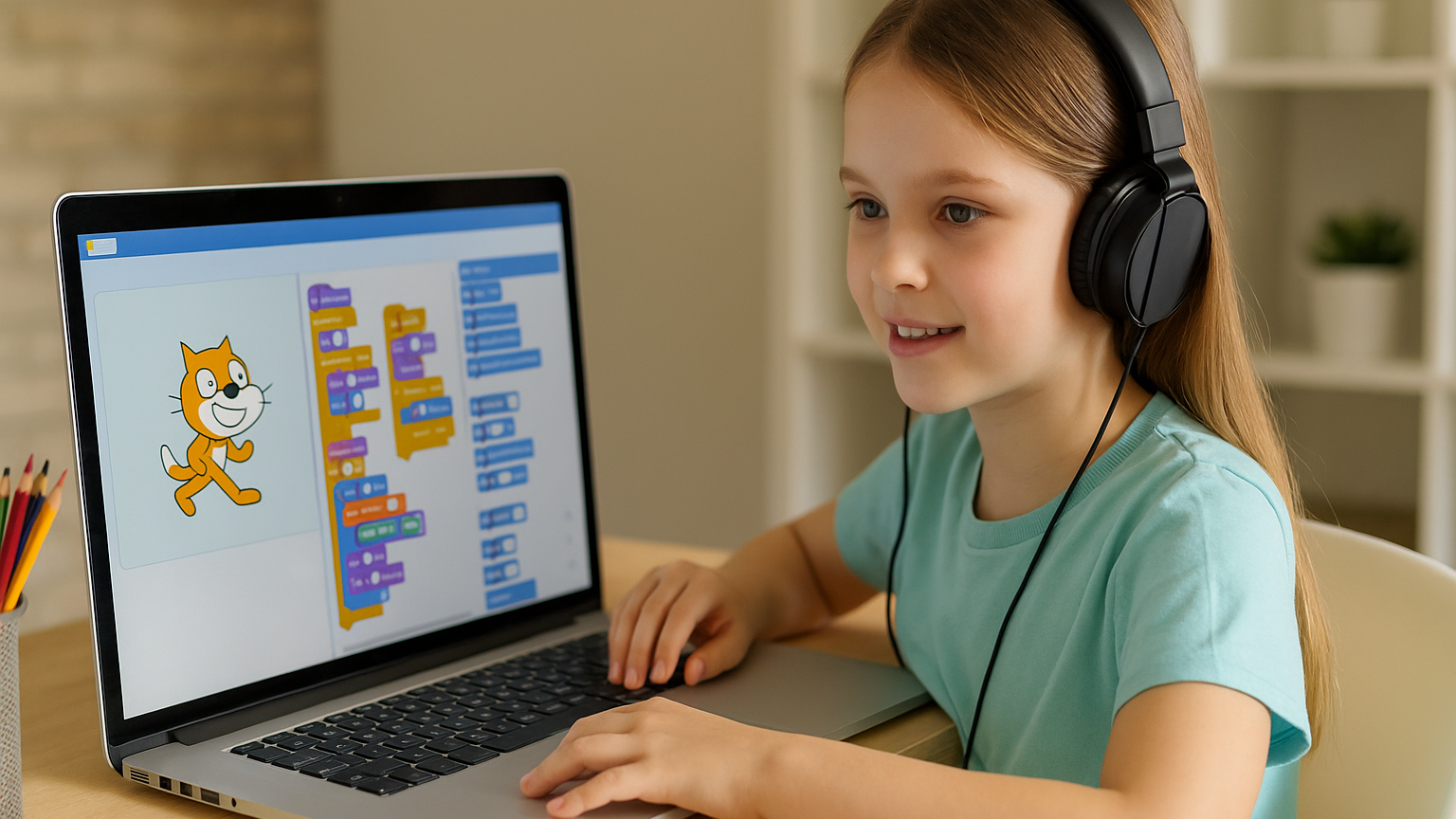
Problem-solving is one of the key skills children can develop through Scratch games for kids. As children create their own games, they are often faced with challenges that require logical thinking. For instance, when designing a game, kids need to figure out how to make a character move, respond to certain actions, or interact with other game elements. These tasks require them to apply problem-solving strategies, breaking down complex tasks into smaller, manageable steps.

The beauty of Scratch games for kids is that they provide a safe environment for children to experiment with different solutions, test their ideas, and make mistakes. This trial-and-error process not only improves problem-solving skills but also teaches kids how to approach challenges from various angles. By engaging with Scratch games for kids, children learn that failure is part of the learning process and develop resilience to overcome obstacles.

3. Scratch Games for Kids Teach Coding Fundamentals
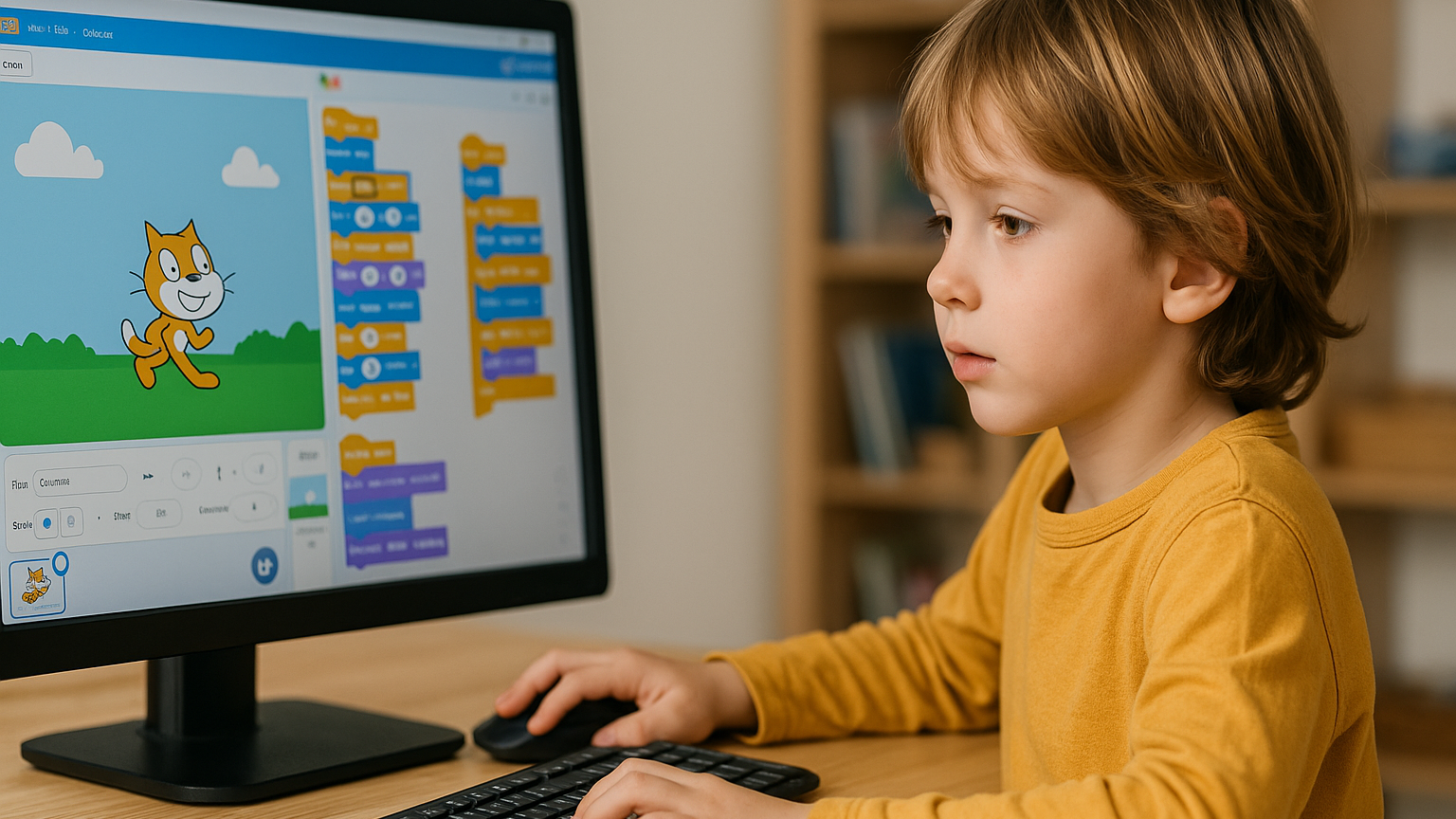
One of the most important reasons to incorporate Scratch games for kids into their learning routine is that they provide an accessible introduction to coding. Unlike traditional programming languages that might be too complex for beginners, Scratch uses a block-based visual interface, making it easy for kids to grasp coding concepts. By dragging and dropping blocks to create actions, children are learning the fundamentals of programming, such as loops, conditionals, events, and variables.

With Scratch games for kids, children get to explore the basics of coding in a hands-on, interactive manner. These foundational skills will prepare them for more advanced programming languages as they grow older. Whether they choose to pursue Python, Java, or C++ in the future, the logical thinking and problem-solving skills learned from Scratch games for kids will provide a solid foundation for their programming journey.

4. Scratch Games for Kids Develop Logical Thinking
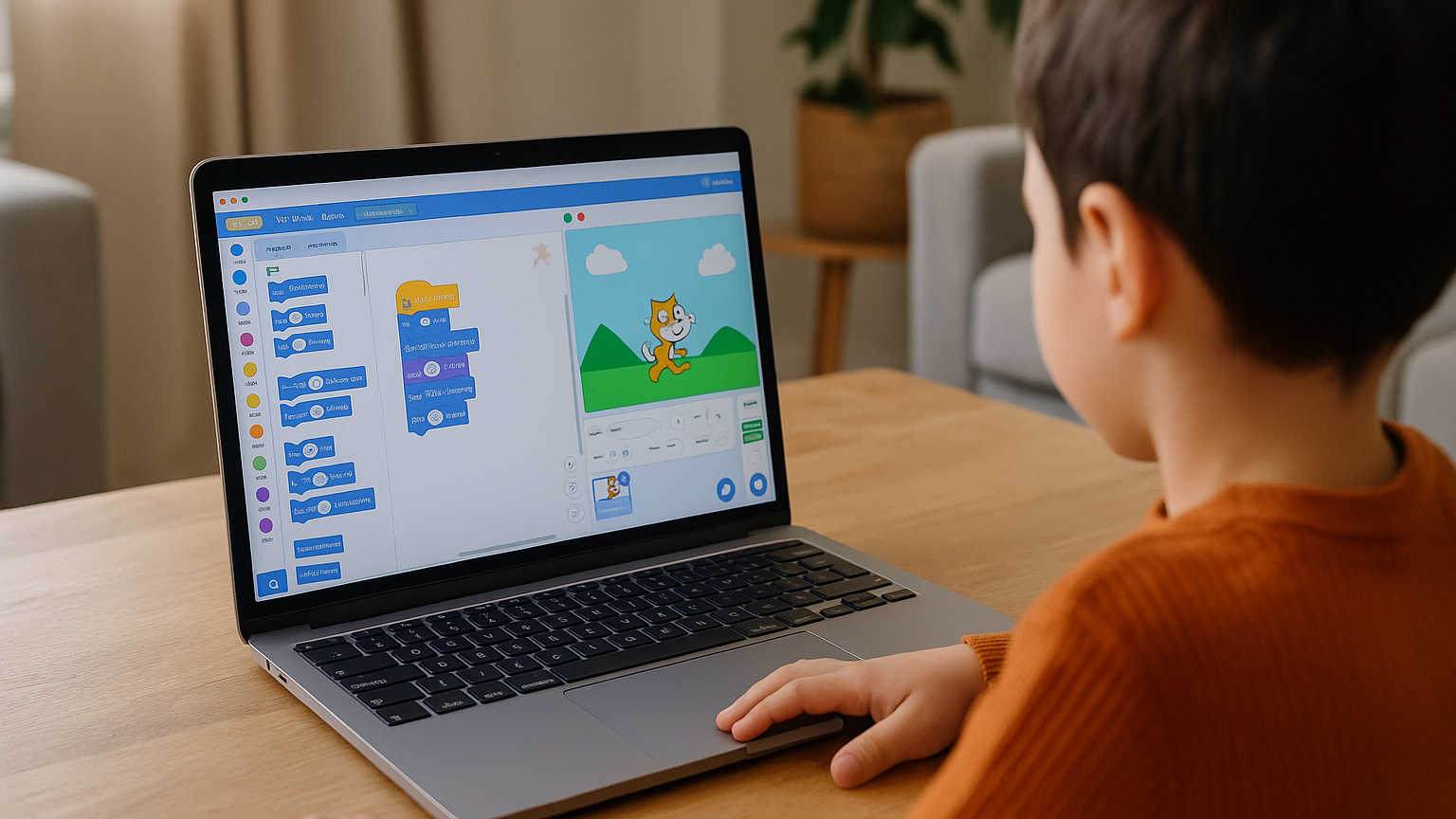
At the heart of Scratch games for kids lies logical thinking. When creating a game, children need to structure their actions and events logically. For example, if a child wants their character to jump when a certain key is pressed, they must figure out how to implement that action through the right sequence of events. By working through this logical process, kids develop stronger critical thinking and reasoning skills.

Engaging with Scratch games for kids encourages children to think step by step and organize their thoughts in a systematic way. These skills translate into better performance in subjects such as math, science, and even everyday problem-solving. By practicing logical thinking through Scratch games for kids, children will be more adept at making decisions and solving problems efficiently in the future.

5. Scratch Games for Kids Teach Persistence and Patience
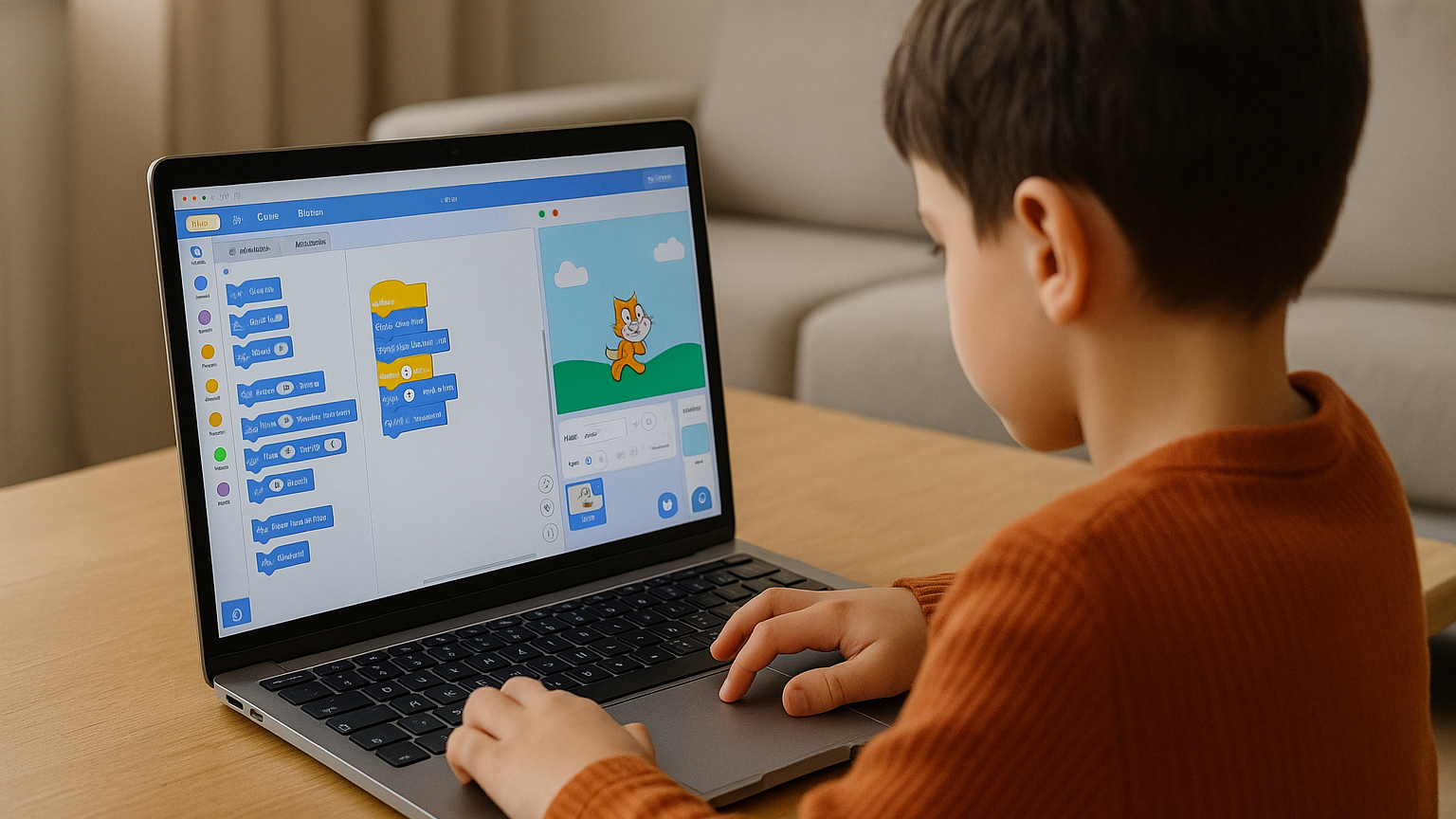
Creating Scratch games for kids can be challenging at times. Children might encounter bugs or unexpected behavior in their game, requiring them to troubleshoot and make adjustments. This process of debugging teaches kids the value of persistence and patience. Instead of getting frustrated or giving up when things don’t go as planned, children learn to approach the problem from different angles and keep trying until they find a solution.

By working through these challenges, children develop a growth mindset, understanding that success often comes through perseverance. The ability to stick with a problem and find solutions is an invaluable skill that will serve kids well in all areas of life, from school projects to personal goals.

6. Scratch Games for Kids Foster Teamwork and Collaboration
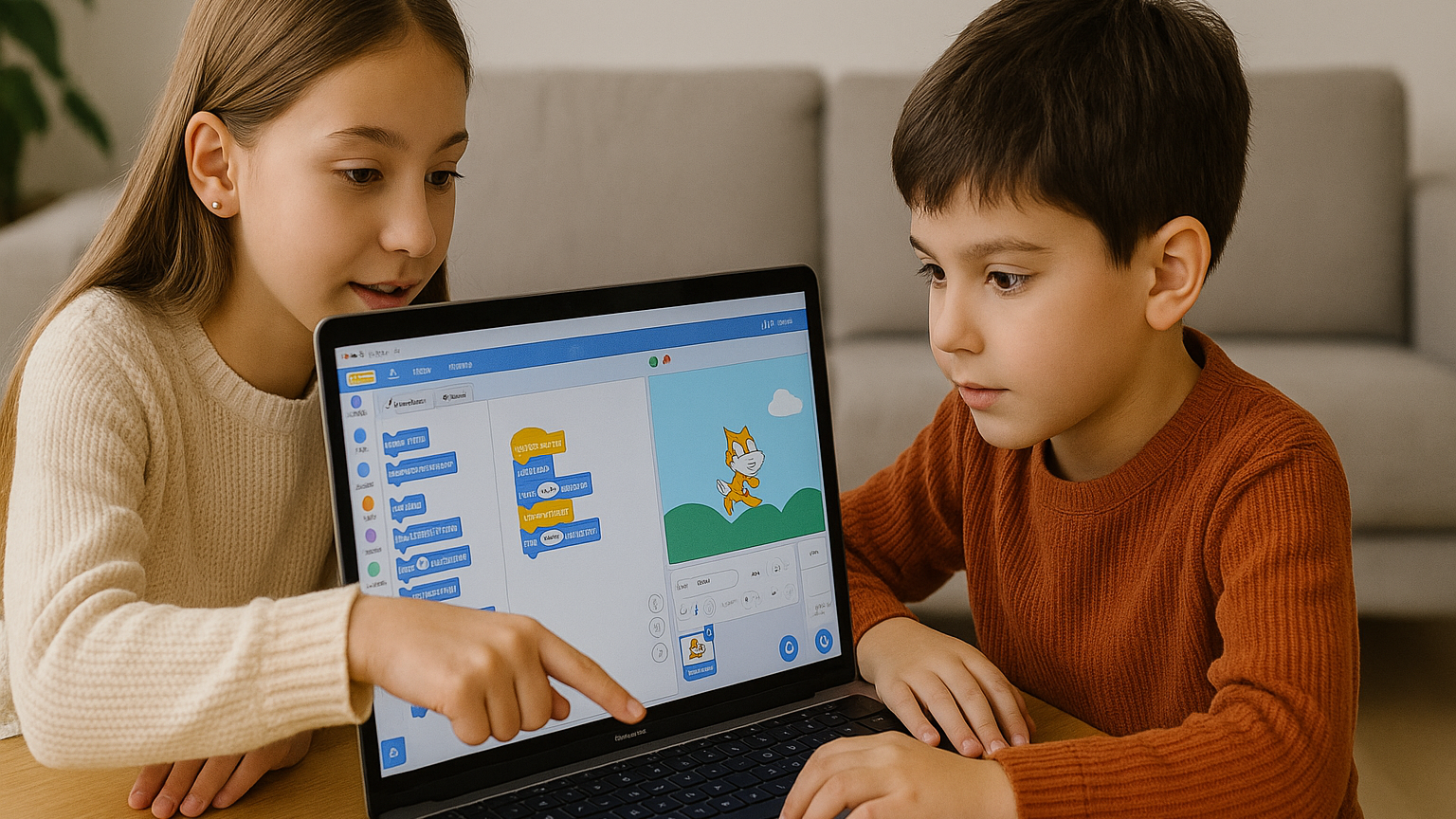
While Scratch games for kids can certainly be enjoyed individually, they also provide excellent opportunities for collaboration. In many cases, kids work together to share ideas, divide tasks, and support each other in game development. This teamwork aspect teaches kids how to communicate effectively, cooperate with others, and work towards a shared goal.

When children collaborate on Scratch games for kids, they learn the importance of listening to others, respecting different viewpoints, and combining their strengths. These skills are vital for success in both academic and social settings, making Scratch games for kids a great way to promote collaboration and social learning.

7. Scratch Games for Kids Provide Real-World Skills
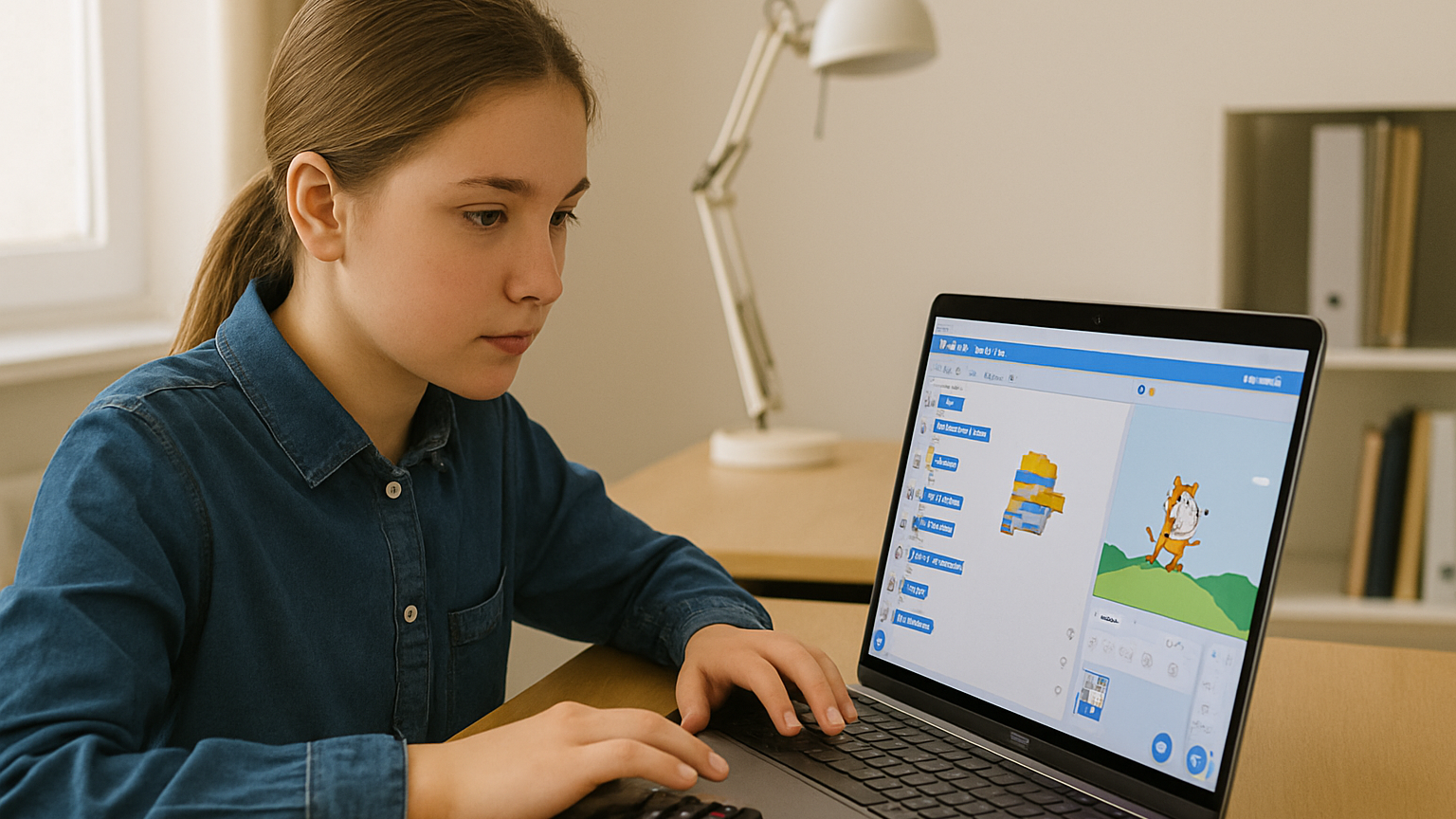
scratch games for kids

One of the most significant benefits of Scratch games for kids is that they offer real-world skills that can translate into future careers. The coding concepts learned through Scratch are the same building blocks used in professional software development, game design, and digital content creation. By learning to create games and interactive projects, children gain practical skills that can open doors to future opportunities in the tech world.

The skills developed through Scratch games for kids, such as coding, problem-solving, and logical thinking, are highly transferable and can be applied in various fields, including web development, app creation, and robotics. Early exposure to these skills will give children a head start in an increasingly digital world.

8. Scratch Games for Kids Make Learning Fun
scratch games for kids

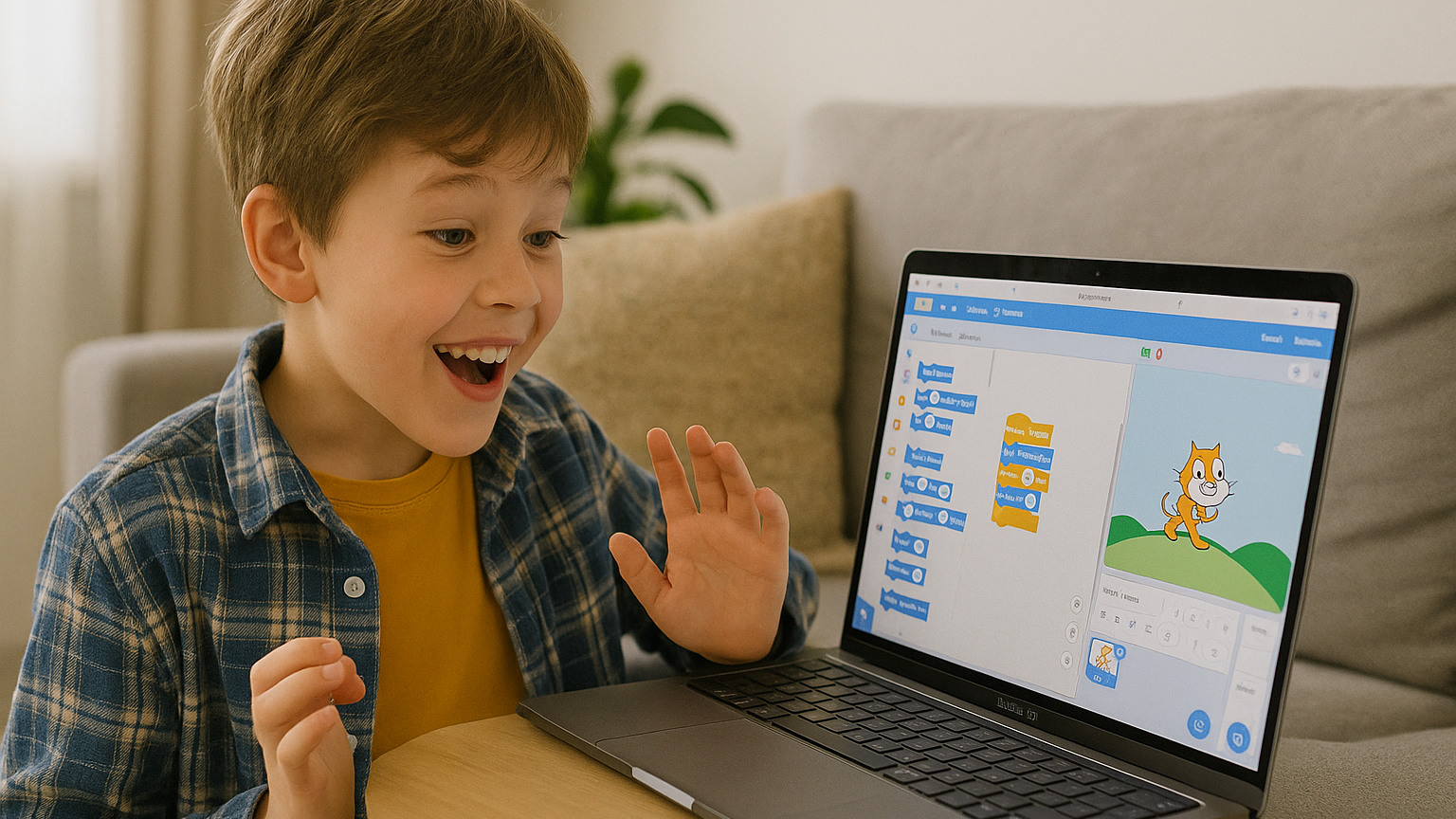
Above all, Scratch games for kids make learning enjoyable. Kids are naturally drawn to games, and by combining fun with education, Scratch turns learning into an engaging experience. As children create and play their own games, they get immediate feedback on their progress, which motivates them to continue exploring and learning.

By integrating play with learning, Scratch games for kids foster a love for technology and education. This positive experience with coding can inspire children to explore other areas of technology, helping them become lifelong learners.

Start Your Child’s Coding Journey with Timedoor Academy!

 Image

If you’re ready to introduce your child to the exciting world of Scratch games for kids, Timedoor Academy is here to help. Our interactive, beginner-friendly courses are designed to make coding fun and engaging. With a focus on creativity, problem-solving, and logical thinking, our classes ensure your child develops a strong foundation in programming.

Join our free trial class today and see how much fun learning to code can be! Visit our website now to enroll!


Keep Reading

How to Choose Coding Course for Kids: A Step-by-Step Guide In 2025
In today’s digital era, coding is becoming a vital skill for children to learn early. Whether they are interested in games, animation, or just curious about how technology works, finding the right course can shape their learning journey. If you are wondering how to choose coding course for kids, this guide will walk you through the essential steps every parent should know. It covers what to consider, how to evaluate a course, and how platforms like Timedoor Academy make it easier than ever to get started. 1. Understand Your Child's Interests and Learning Style The first step in how to choose coding course for kids is to understand what motivates your child. Do they enjoy building things, telling stories, or playing logic games? A child who loves art might enjoy animation-focused coding, while one interested in tech may love learning how apps work. Choosing a course that connects to their personal interests makes it easier to keep them engaged and excited about learning. 2. Match the Course to Their Age and Skill Level Another important step in how to choose coding course for kids is making sure the difficulty fits your child’s current level. Younger children do better with visual tools like Scratch or Blockly, which help them understand basic logic without typing code. Older kids or those with some experience may benefit more from Python or JavaScript. Timedoor Academy provides coding programs grouped by age and ability, so children can learn comfortably at their own pace. 3. Look for Strong Curriculum and Project-Based Learning When exploring how to choose coding course for kids, the course structure matters. A good program should combine clear explanations with plenty of opportunities to build projects. Kids learn best by doing, so check if they’ll be creating apps, games, or animations. Timedoor Academy follows a project-based approach where each lesson builds toward a hands-on goal, helping children stay focused and feel proud of their work. 4. Decide Between Online or In-Person Formats Your child’s learning environment can impact their progress. As you consider how to choose coding course for kids, think about whether online or in-person learning works better for your family. Online courses are flexible and accessible from anywhere, while in-person classes may provide more direct support. Timedoor Academy offers live online sessions with real instructors and small class sizes, blending structure with flexibility. 5. Evaluate the Teachers and Student Support One of the key factors in how to choose coding course for kids is the quality of the teaching staff. Great instructors are not just skilled in programming—they also know how to communicate with children. Look for teachers who are patient, encouraging, and responsive. At Timedoor Academy, instructors are carefully trained to work with young learners and guide them with a friendly, easy-to-follow approach. 6. Try a Free Trial to See What Works Before making a commitment, it is helpful to try a class. This is one of the smartest ways in how to choose coding course for kids. A trial session lets your child experience the lesson format, meet the teacher, and decide if they enjoy it. Timedoor Academy offers free trial classes where children can explore coding firsthand, ask questions, and complete a mini project. This can be the difference between guessing and choosing a course with confidence. Ready to Begin Your Child’s Coding Journey? If you’re still wondering how to choose coding course for kids, the best way is to let them experience it. Timedoor Academy offers interactive and engaging online coding classes made for kids of all ages. With expert instructors, hands-on projects, and a flexible schedule, your child will not only learn coding but also grow in confidence and creativity. Sign up for a free class today and see how fun learning to code can be.
Cara Menghasilkan Uang dari Koding
How to Make Money Coding as a Kid
In today’s tech-driven world, kids are not just consumers of technology. They can become creators too. One exciting way for young minds to explore this potential is by learning how to code. What’s even better? Coding is not just a fun and valuable skill. It can also help children start earning money at an early age. In this article, we will explore practical and age-appropriate ideas on how to make money coding as a kid, and how platforms like Timedoor Academy can help kickstart the journey.   1. Build and Sell Simple Games One of the most popular ways for kids to make money with coding is by creating simple games. Platforms like Scratch allow children to build their own games using visual programming blocks. Once they get the hang of it, kids can upload their games to platforms like itch.io or Game Jolt, where others can play and support their work through donations or small purchases. This is a great way for kids to combine creativity with coding skills. It also teaches them the basics of digital entrepreneurship, such as designing for users and thinking about what makes a game fun and engaging.   2. Design a Personal Website or Blog Creating a personal website is a great way for kids to showcase their projects and interests. Using platforms like WordPress, Wix, or coding from scratch with HTML/CSS, kids can build blogs, portfolios, or fan pages. Once the website gains some visitors, there are many ways to monetize it. These include placing ads through Google AdSense with adult guidance, using affiliate links, or even selling digital products like game templates or beginner-friendly coding guides. This helps kids learn how websites work and how online income is generated in real life.   3. Create YouTube Coding Tutorials Another exciting option on how to make money coding as a kid is by creating YouTube tutorials. Kids can teach others how to code in Scratch, build simple apps, or walk through a project step by step. These videos do not need to be fancy. They just need to be clear and helpful. As the channel grows, monetization through YouTube ads, sponsorships, and affiliate links becomes possible. This is also a great way for kids to improve their communication skills while reinforcing their own understanding of coding.   4. Sell Digital Art or Assets for Games Kids who enjoy both coding and art can create digital assets like characters, backgrounds, or sound effects. These can be sold on platforms like Unity Asset Store, OpenGameArt, or Itch.io. For example, if your child designs a cool background for a Scratch game, they can package it with a few more designs and offer it for free or for a small fee online. This is a fun way to blend art, coding, and entrepreneurship.   5. Try Safe Freelance Gigs (With Parental Help) Older kids or teenagers ages 13 and up can start exploring junior freelance work in simple coding tasks. These include fixing bugs, customizing websites, or helping with small scripts. Sites like Fiverr or Freelancer often have beginner-friendly gigs that can be done with parental supervision. Even if the job pays only a few dollars at first, the experience and confidence gained are invaluable. It helps children see how coding is used in the real world and builds their early portfolio.   6. Participate in Coding Competitions Many platforms and organizations hold coding competitions or hackathons for kids. These events often come with prizes such as gadgets, cash, or even scholarships. Websites like Tynker, Code.org, and local coding academies host events where kids can test their skills and possibly win something exciting. Competing not only motivates kids to learn faster. It also introduces them to other like-minded peers and creates a supportive community.   7. Build Mobile Apps With tools like Thunkable, MIT App Inventor, or even Flutter, kids can start building simple mobile apps. Whether it is a calculator, a quiz game, or a daily planner, these apps can be uploaded to the Google Play Store with adult help. Even if the app is free, kids can include ads or in-app purchases to start earning money. It is a great way to explore real-world coding with tangible outcomes.   8. Teach Coding to Other Kids Once your child becomes confident in their coding skills, they can teach younger children or peers who are just starting out. Whether it is through local workshops, helping a sibling, or organizing a mini class with friends, this builds leadership and communication skills. Some older kids even offer beginner Scratch tutoring sessions online, turning their knowledge into a meaningful side hustle.   Why Learning to Code Early Matters Understanding how to make money coding as a kid goes beyond earning an allowance. It teaches real-world skills like time management, problem-solving, entrepreneurship, and confidence. Kids who code not only learn how to build apps or games. They also gain a mindset that prepares them for the future.   Start Coding the Fun Way with Timedoor Academy If your child is curious about coding, game creation, or building their first app, Timedoor Academy is the perfect place to begin. With interactive lessons, expert guidance, and beginner-friendly projects, kids can explore coding in a way that is fun and engaging. Ready to see if coding is right for your child? Visit us to join a free trial class and let your child turn creativity into real skills and even their first coding income.
Bagaimana Teknologi Meningkatkan Kreativitas Anak
How Technology Boosts Creativity for Kids
In today's digital age, technology plays a significant role in shaping children's lives, offering them not only entertainment but also endless opportunities to enhance their creativity. How technology boosts creativity for kids is not just about playing games or watching videos; it's about engaging with tools that encourage children to explore new ideas, express themselves through various forms of art, and solve complex problems in innovative ways. In this article, we’ll dive into the many ways how technology boosts creativity for kids, helping parents and educators harness the power of technology for creative development.   1. Digital Tools That Boost Creativity for Kids Technology offers a vast array of digital tools designed to stimulate creativity in children. Drawing apps like Procreate or Tayasui Sketches, for example, allow kids to create beautiful artworks on tablets, pushing their imagination and skills. Music production software, such as GarageBand, is another fantastic tool to help children explore their musical creativity by composing songs and learning about sound design. These tools don’t just teach technical skills; they encourage kids to think creatively. The immediate feedback and flexibility offered by these apps allow children to experiment with different styles and techniques, making it a fun and educational way how technology boosts creativity for kids.   2. Problem-Solving and Critical Thinking One of the most impactful ways how technology boosts creativity for kids is by enhancing their problem-solving and critical thinking abilities. Educational games and apps that challenge children to solve puzzles, plan strategies, and make decisions help develop their cognitive skills. Apps like Scratch or Tynker, which teach coding and logic, are excellent examples of how technology boosts creativity for kids. By engaging with these platforms, children not only learn to code but also learn to think critically, test solutions, and refine their ideas. This helps them become creative problem-solvers who are capable of thinking outside the box, which is an essential skill for both academic success and life in general.   3. Access to a Wealth of Creative Learning Resources The internet is a treasure trove of creative learning resources that can help how technology boosts creativity for kids. Platforms like YouTube, TED-Ed, and Khan Academy provide a wide variety of content that can spark children’s imaginations. From DIY craft tutorials to science experiments, there is no shortage of material to engage kids and fuel their creativity. Moreover, eBooks and audiobooks offer children new ways to experience stories that stimulate their imagination. These resources allow kids to engage with the arts, explore new concepts, and learn new skills in creative and interactive ways.   4. Collaborative Creativity and Social Interaction Technology also offers unique opportunities for kids to collaborate on creative projects with others. Online platforms and apps designed for group work allow children to share ideas, co-create, and provide feedback to one another, fostering both creativity and social skills. By working together, kids not only boost creativity but also learn how to communicate effectively, manage team dynamics, and develop empathy. For instance, children can participate in group art projects, write collaborative stories, or join virtual hackathons. These shared creative experiences are a great way to help children enhance their creativity while also developing valuable interpersonal skills.   5. Digital Storytelling for Creative Expression Digital storytelling is another powerful way how technology boosts creativity for kids. With easy-to-use platforms like Storybird, Adobe Spark, and even Instagram, children can write, illustrate, and share their stories in engaging ways. These platforms allow kids to take control of their narratives, helping them express their thoughts, ideas, and emotions creatively. Storytelling is not only a fun way to engage with creativity but also a valuable skill that supports literacy, critical thinking, and emotional development. By using digital tools to tell their stories, children can learn how to organize their ideas, use technology to enhance their creations, and communicate their thoughts in new and innovative ways.   6. Immersive Technologies: Virtual and Augmented Reality Virtual Reality (VR) and Augmented Reality (AR) technologies are increasingly being used to enhance creativity for kids. These immersive technologies provide children with the opportunity to engage with creative environments in ways that are not possible in the real world. With VR and AR, children can design virtual spaces, explore interactive 3D models, and engage in hands-on creative activities. For example, using VR headsets, children can participate in virtual learning experiences that incorporate art, design, and creativity. They can create 3D models, design virtual sculptures, or explore complex architectural structures. AR apps like Quiver bring children’s drawings to life, allowing them to see their artwork come to life in augmented spaces. These tools give kids a whole new world to explore, further showing how technology boosts creativity for kids.   7. Technology as a Gateway to STEM Creativity Another way how technology boosts creativity for kids is by inspiring them to pursue STEM (Science, Technology, Engineering, and Mathematics) fields, where creativity is a crucial component. Coding platforms, robotics kits, and 3D printing tools all encourage kids to create, innovate, and design in the realms of engineering and technology. Tools like LEGO Mindstorms or robotics kits allow kids to build and program their own creations, providing them with hands-on experience in both technology and design. These activities encourage kids to think creatively about how to solve problems, design solutions, and bring their ideas to life.   How Technology Boosts Creativity for Kids in Countless Ways Incorporating technology into your child’s life can have a profound impact on their creative development. From digital art and music tools to coding apps and immersive experiences, technology offers a vast range of opportunities for kids to explore, create, and learn. By using these tools, parents and educators can help nurture creativity, problem-solving skills, and innovation in children, setting them up for future success. At Timedoor Academy, we provide various online resources and learning tools designed to help your child develop their creativity through technology. Whether it’s interactive coding classes, virtual workshops, or personalized learning materials, we’re here to support your child’s creative journey. Start a free trial today and explore how technology can boost creativity for kids in exciting and engaging ways!
float button