Jul 30, 2024

Tech Festival 2024 Timedoor Academy

Tech Festival 2024 Timedoor Academy image

Tech Festival 2024 Event at Timedoor Academy Draws Over 500 Visitors at Millennium Mall Jakarta on June 23, 2024

Exciting Activities at Tech Festival 2024

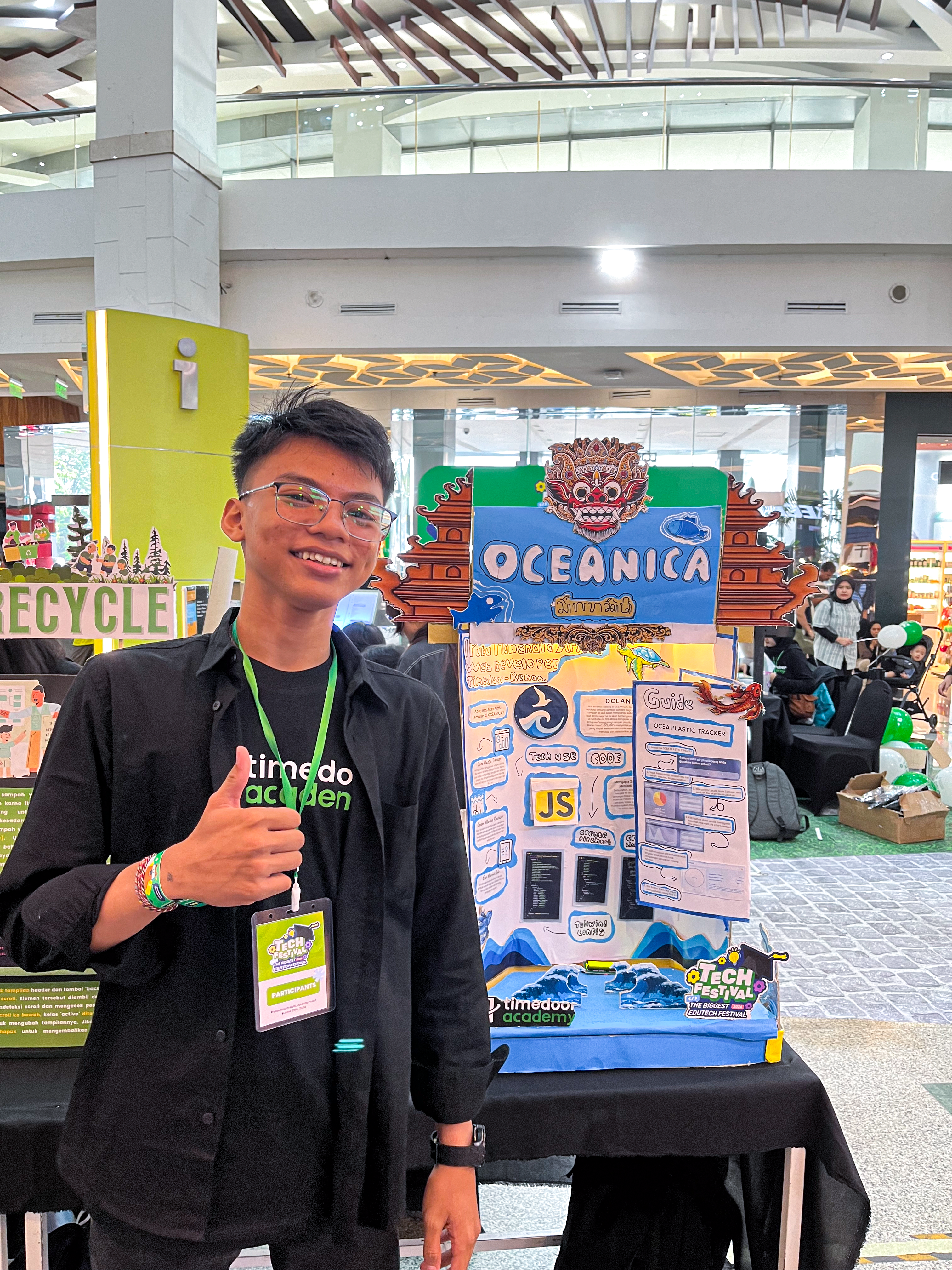
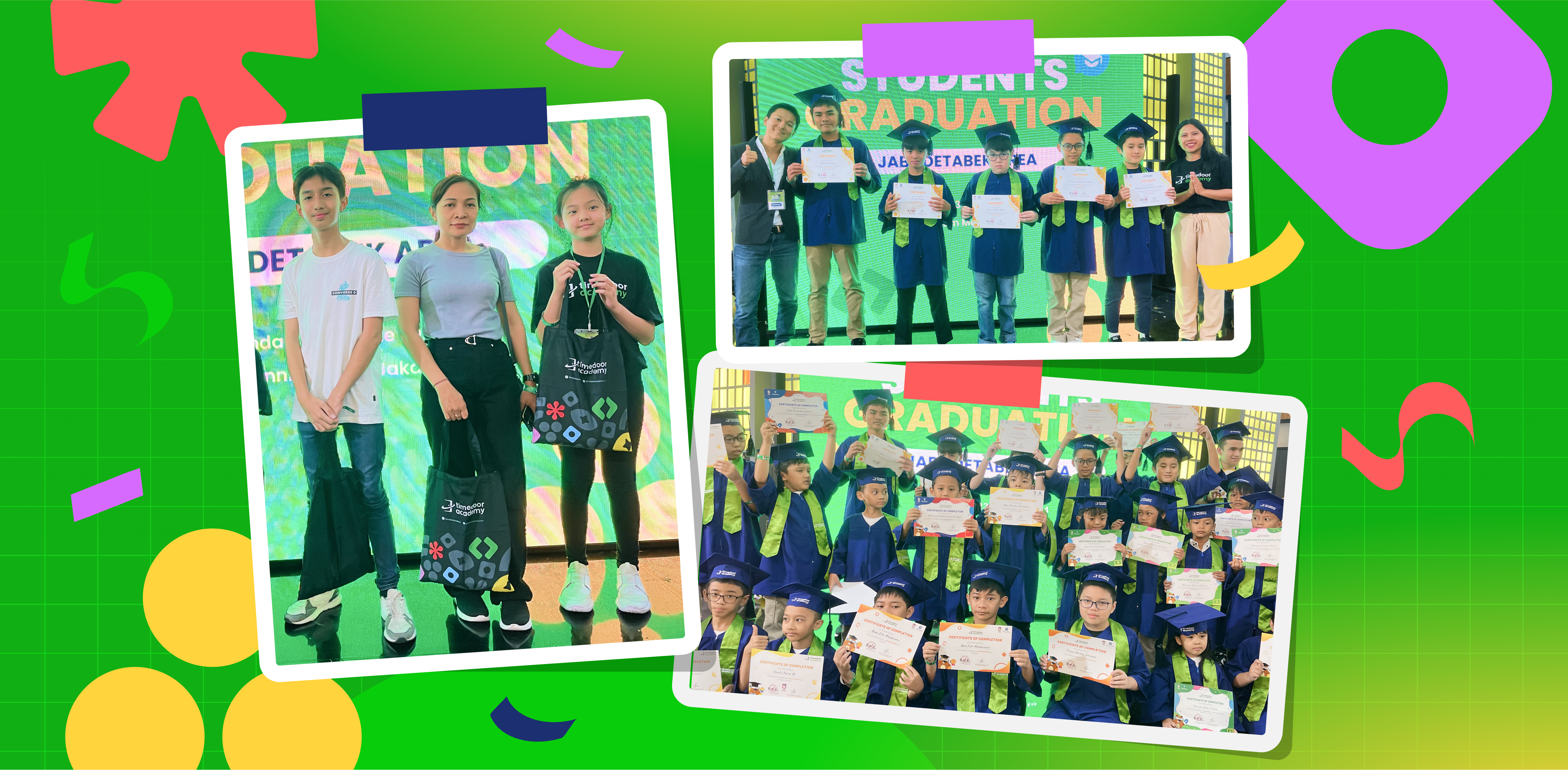
The event offered a variety of engaging activities, including trial booths for VR/AR, Robotics, Gaming, AI, and more. Visitors had the opportunity to experience these technologies firsthand, showcased by the students of Timedoor Academy. Additionally, the festival featured a student graduation ceremony for students from the Greater Jakarta area (Jabodetabek), along with an exhibition of student projects that reached the finals in the coding competition.

exhibitor-tech-festival

This event was a great opportunity for students to showcase their achievements in programming and technology. With a large turnout, Tech Festival 2024 aimed to provide a valuable experience for the people of Jakarta interested in education and technology. The event also demonstrated Timedoor Academy’s commitment to educating children and teens through innovative coding programs.


Keep Reading

Belajar Coding Pemula Anak dan Remaja
How to Learn Coding for Beginners Kids and Teens
In today’s increasingly digital world, coding has become an essential skill that opens up many opportunities for the future. For kids and teens, learning coding for beginners is a great first step to understanding how technology works and starting to build their own digital creations. Why Should Kids and Teens Learn Coding for Beginners? Starting to learn coding for beginners at a young age offers many benefits, not only technical ones, but also for personal development and social skills. Some key benefits include: Improving logical thinking and problem-solving skills Boosting creativity and imagination Building a structured way of thinking Gaining confidence through creating real projects Understanding the technology they use every day First Steps to Learn Coding for Beginners To make the learning process more effective, it’s important to use a fun, engaging approach that matches the child’s learning level. Here are some steps to get started: Introduce basic concepts with interactive gamesApps like Scratch Junior or Code.org help kids understand the logic behind programming through visuals and games. Choose the right programming language based on ageAges 5–9: Scratch Junior, BlocklyAges 10–14: Scratch, basic PythonAges 15 and above: Python, HTML/CSS, JavaScript Start small with simple, fun projectsFor example, making a basic game or an animated story on Roblox or Minecraft Education Kid-Friendly Platforms to Learn Coding for Beginners There are many online platforms available to help children understand programming step by step. Recommended platforms include: Scratch – A visual programming tool perfect for beginners Code.org – Educational coding challenges with fun themes Tynker – A subscription-based platform with interactive content Minecraft Education – Learn coding through building and playing Timedoor Academy – Project-based coding courses available online and offline, perfect for kids and teens across the world! Make Learning to Code Fun and Enjoyable Kids are more likely to stick with coding if it’s connected to things they already enjoy. Here are some project ideas that make learning to code more exciting: Create interactive games using Scratch Build a short animation or digital comic Design a personal website with HTML and CSS Make a basic app using Python When children can see and share what they’ve created, they’ll feel proud and motivated to keep learning. Combine Kids' Interests with Learning to Code One effective way to encourage your child to learn coding for beginners is by tying it to their hobbies and interests. For example: Kids who love drawing can try digital animation Kids who enjoy gaming can learn to create their own games Kids who like writing can make interactive stories or visual novels This personalized approach makes the learning process feel more natural and enjoyable. Learning to Code is Better with Mentors Although self-learning is possible, coding for beginners is often more effective with a mentor and a supportive environment. At Timedoor Academy, kids and teens can join: Coding for Kids (ages 5 to 12) Coding for Teens (ages 13 to 18) Courses in Scratch, Python, HTML/CSS, and more All classes focus on hands-on practice through age-appropriate digital projects. Parents Play a Big Role in the Learning Journey Parental support is key, especially when children face challenges or lose motivation. What parents can do: Set aside time and space for learning Celebrate their child’s achievements, big or small Have conversations about the projects they’re working on Enroll them in a trusted program with the right learning style When parents show interest and encouragement, kids feel supported and excited to learn. Tips for Choosing the Right Coding Course for Beginners With so many options available, how do you choose the best one? Here are some factors to consider: Age and skill levelMake sure the course matches the child’s stage of development. It should be challenging but not overwhelming. Teaching methodProject-based, interactive learning is often more engaging than memorizing theory. Mentor availabilityHaving a mentor helps children when they get stuck or need guidance. Flexible schedulesA flexible program works well with school and other activities. Parent reviewsLook for testimonials or reviews to get a sense of the course’s quality and impact. At Timedoor Academy, every aspect is carefully designed to help kids learn coding for beginners in a way that’s fun, meaningful, and future-ready. Ready to Start Your Child's Coding Journey? Learning coding for beginners is an investment in the future, and it can start today. With the right approach, kids and teens won’t just understand technology, they’ll be able to shape it with their own ideas. Looking for a fun, project-based, and child-friendly place to start? Join Timedoor Academy’s free trial class available offline all around the world!
Cara Menghasilkan Uang dari Koding
How to Make Money Coding as a Kid
In today’s tech-driven world, kids are not just consumers of technology. They can become creators too. One exciting way for young minds to explore this potential is by learning how to code. What’s even better? Coding is not just a fun and valuable skill. It can also help children start earning money at an early age. In this article, we will explore practical and age-appropriate ideas on how to make money coding as a kid, and how platforms like Timedoor Academy can help kickstart the journey.   1. Build and Sell Simple Games One of the most popular ways for kids to make money with coding is by creating simple games. Platforms like Scratch allow children to build their own games using visual programming blocks. Once they get the hang of it, kids can upload their games to platforms like itch.io or Game Jolt, where others can play and support their work through donations or small purchases. This is a great way for kids to combine creativity with coding skills. It also teaches them the basics of digital entrepreneurship, such as designing for users and thinking about what makes a game fun and engaging.   2. Design a Personal Website or Blog Creating a personal website is a great way for kids to showcase their projects and interests. Using platforms like WordPress, Wix, or coding from scratch with HTML/CSS, kids can build blogs, portfolios, or fan pages. Once the website gains some visitors, there are many ways to monetize it. These include placing ads through Google AdSense with adult guidance, using affiliate links, or even selling digital products like game templates or beginner-friendly coding guides. This helps kids learn how websites work and how online income is generated in real life.   3. Create YouTube Coding Tutorials Another exciting option on how to make money coding as a kid is by creating YouTube tutorials. Kids can teach others how to code in Scratch, build simple apps, or walk through a project step by step. These videos do not need to be fancy. They just need to be clear and helpful. As the channel grows, monetization through YouTube ads, sponsorships, and affiliate links becomes possible. This is also a great way for kids to improve their communication skills while reinforcing their own understanding of coding.   4. Sell Digital Art or Assets for Games Kids who enjoy both coding and art can create digital assets like characters, backgrounds, or sound effects. These can be sold on platforms like Unity Asset Store, OpenGameArt, or Itch.io. For example, if your child designs a cool background for a Scratch game, they can package it with a few more designs and offer it for free or for a small fee online. This is a fun way to blend art, coding, and entrepreneurship.   5. Try Safe Freelance Gigs (With Parental Help) Older kids or teenagers ages 13 and up can start exploring junior freelance work in simple coding tasks. These include fixing bugs, customizing websites, or helping with small scripts. Sites like Fiverr or Freelancer often have beginner-friendly gigs that can be done with parental supervision. Even if the job pays only a few dollars at first, the experience and confidence gained are invaluable. It helps children see how coding is used in the real world and builds their early portfolio.   6. Participate in Coding Competitions Many platforms and organizations hold coding competitions or hackathons for kids. These events often come with prizes such as gadgets, cash, or even scholarships. Websites like Tynker, Code.org, and local coding academies host events where kids can test their skills and possibly win something exciting. Competing not only motivates kids to learn faster. It also introduces them to other like-minded peers and creates a supportive community.   7. Build Mobile Apps With tools like Thunkable, MIT App Inventor, or even Flutter, kids can start building simple mobile apps. Whether it is a calculator, a quiz game, or a daily planner, these apps can be uploaded to the Google Play Store with adult help. Even if the app is free, kids can include ads or in-app purchases to start earning money. It is a great way to explore real-world coding with tangible outcomes.   8. Teach Coding to Other Kids Once your child becomes confident in their coding skills, they can teach younger children or peers who are just starting out. Whether it is through local workshops, helping a sibling, or organizing a mini class with friends, this builds leadership and communication skills. Some older kids even offer beginner Scratch tutoring sessions online, turning their knowledge into a meaningful side hustle.   Why Learning to Code Early Matters Understanding how to make money coding as a kid goes beyond earning an allowance. It teaches real-world skills like time management, problem-solving, entrepreneurship, and confidence. Kids who code not only learn how to build apps or games. They also gain a mindset that prepares them for the future.   Start Coding the Fun Way with Timedoor Academy If your child is curious about coding, game creation, or building their first app, Timedoor Academy is the perfect place to begin. With interactive lessons, expert guidance, and beginner-friendly projects, kids can explore coding in a way that is fun and engaging. Ready to see if coding is right for your child? Visit us to join a free trial class and let your child turn creativity into real skills and even their first coding income.
Bringing Tech Education To Potential Youth: J Trust Bank and Timedoor Academy Empower Orphans in Karangasem
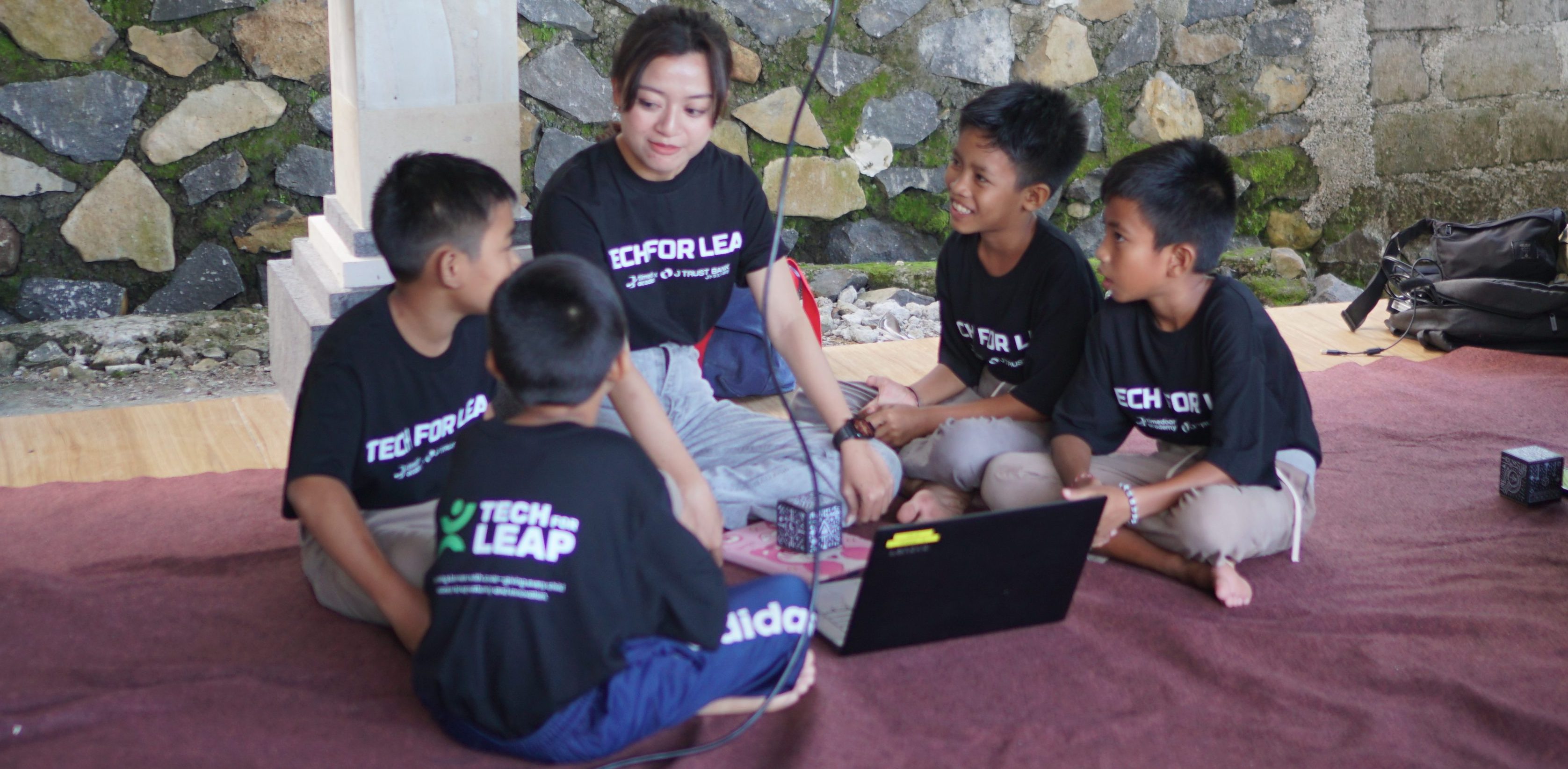
Karangasem, April 27, 2025 – To support IT education for underprivileged children in Indonesia, PT Bank JTrust Indonesia Tbk (J Trust Bank) has partnered with Timedoor Academy, a tech education startup, to launch a Corporate Social Responsibility (CSR) initiative. The program, titled "IT Education for Underprivileged Children and Orphans" took place in Seraya Timur Village, Karangasem District, Bali, and reached 15 children aged 7–18 from orphaned and economically disadvantaged backgrounds. This initiative addresses the urgent need for IT education for underprivileged children who often face significant barriers such as poverty, limited educational infrastructure, and minimal access to technology. By equipping them with essential digital skills, J Trust Bank and Timedoor Academy aim to prepare these children for a brighter, more equitable future. Program Focus: IT Education for Underprivileged Children As part of their commitment to IT education for underprivileged children, J Trust Bank and Timedoor Academy designed the program around three key pillars: 1. Training of Trainers (ToT): This component equips local educators with both technical and teaching skills, enabling them to support and sustain tech education for potential youth in their communities. 2. Learning Management System (LMS) Access: Students gain access to a digital platform offering curriculum-aligned learning materials for elementary to high school levels, helping to provide structured IT education for underprivileged children that meets their developmental needs. 3. Ongoing In-Person Training: The children undergo 12 months of hands-on learning in coding and basic tech skills. This extended period reinforces the foundational goals of IT education for underprivileged children, building their confidence and digital literacy over time. J Trust Bank’s Commitment to Inclusive Digital Learning Ritsuo Fukadai, President Director of J Trust Bank, highlighted the importance of expanding IT education for underprivileged children to foster social equity. “As a Japanese company operating in Indonesia, we believe technological education must be accessible to all. This program is our step toward opening doors for orphans and underprivileged youth to reach their full potential,” Fukadai explained. This initiative is part of the bank’s broader mission to support sustainable, tech-driven social development in underserved areas. Timedoor Academy’s Role in Delivering IT Education for Underprivileged Children Timedoor Academy plays a vital role by offering a user-friendly LMS and relevant digital learning content tailored to the children’s educational levels. The academy also conducted training for local teachers to ensure continuity of IT education for underprivileged children even after the formal program concludes. Beyond delivering technical knowledge, Timedoor Academy encourages creative thinking, problem-solving, and independence—core values that enrich IT education for underprivileged children in today’s digital age. Positive Community Impact in Karangasem The response to the program was overwhelmingly positive. Children showed excitement and curiosity as they learned coding and created simple apps. Teachers who completed the ToT training appreciated the new methods and approaches offered by the program, enhancing their ability to deliver IT education for underprivileged children using technology. With the shared vision of “Creating a Bright Future for the Next Generation with IT Education,” this collaboration sets a precedent for future efforts in IT education for underprivileged children across Indonesia. It proves that meaningful change is possible when education and opportunity are made accessible to all.
float button