Why Coding for Kids Is Necessary in 2025?

Why Coding for Kids Is Necessary in 2025?

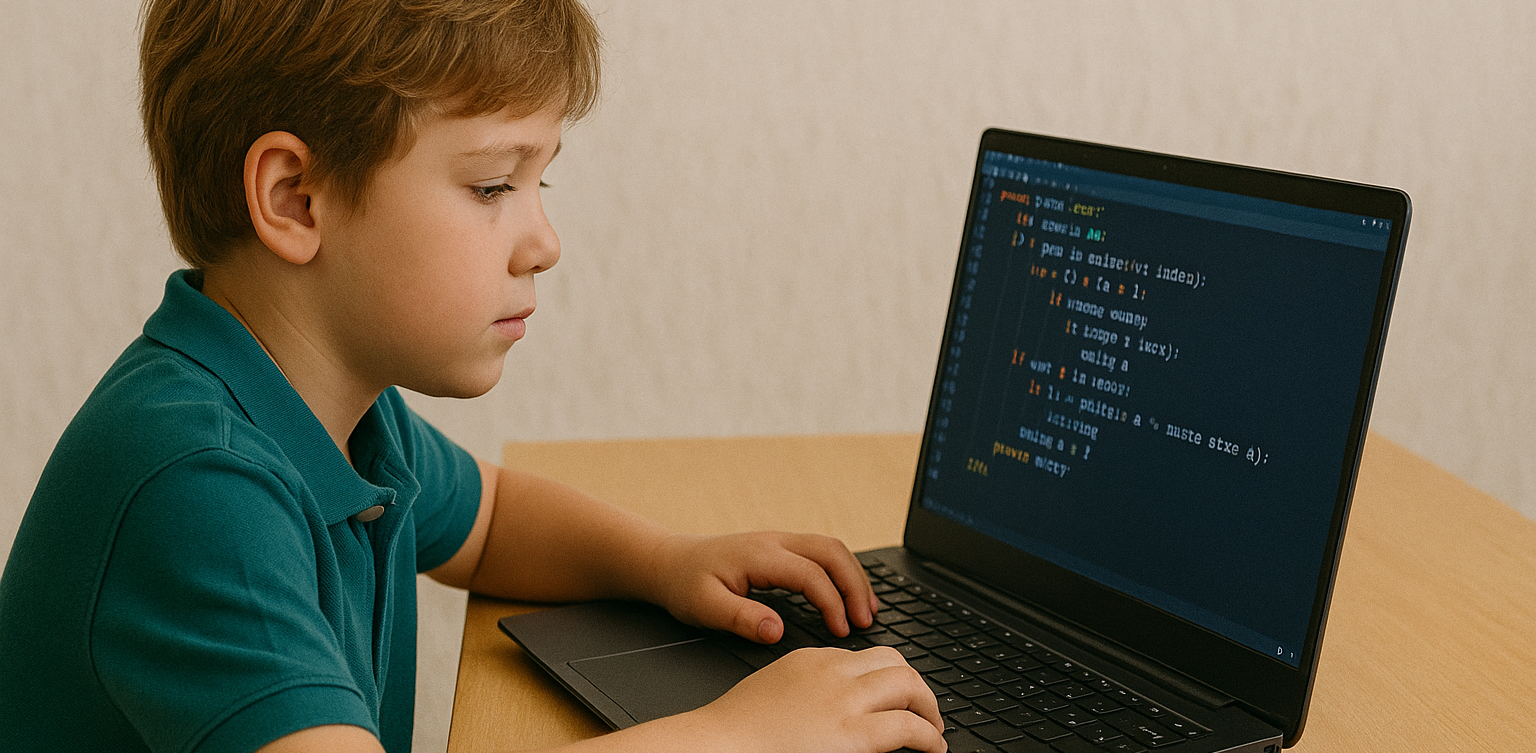
With the rapid growth of technology, many parents are beginning to wonder if learning to code is becoming as essential as reading or math. As we approach 2025, nearly every aspect of life is increasingly connected to the digital world. That brings up a big question for families: is coding for kids something they really need to prioritize? We all want to prepare our children for the future. In this context, coding for kids is not just about preparing them for careers in tech. It’s also about helping them build useful life skills like critical thinking, problem-solving, and digital confidence. Coding for Kids Is Not Just for Future Programmers One common misconception is that only kids who want to become programmers should learn to code. In reality, coding helps children develop logical thinking and structured problem-solving skills. When kids learn coding, they are training their brains to approach problems step by step and think clearly. These skills are useful far beyond technology. Children who think in an organized way often do better in school subjects like math and science. So when we talk about the benefits of coding for kids, we’re also talking about building stronger thinking habits for life. The Future Job Market Will Rely on Technology We may not know exactly what jobs will look like in the future. But one thing is certain—technology will be part of nearly every profession. Understanding coding for kids means giving them a foundation that allows them to adapt to change and take advantage of new opportunities. Even in creative or non-tech careers, basic digital literacy is essential. Teaching coding for kids at a young age gives them a strong foundation that can apply across a wide range of future possibilities. Coding Builds Patience and Resilience Learning to code involves lots of trial and error. Children learn how to fix problems, try again, and improve their work. These are real-life lessons in patience and resilience. Through coding for kids, they develop the ability to stay calm and focused even when things don’t work perfectly. These soft skills are just as important as academic ones. Children who code learn to accept mistakes as part of the process, and they become better problem solvers because of it. Start with Simple and Fun Activities Not every child has to start writing complex code right away. There are many playful and creative ways to introduce coding for kids, especially at early ages. It can begin with games, logic puzzles, or interactive apps that teach the basics in an enjoyable way. The key is to create positive experiences. When coding feels fun and engaging, kids are more likely to continue learning. Parents don’t need to be tech experts—they just need to be supportive and encouraging as their kids explore. Coding for Kids Doesn’t Have to Be Expensive A big myth about learning to code is that it requires expensive tools or lessons. Today, there are many online platforms that offer quality coding for kids programs at affordable prices, or even for free. Timedoor Academy, for example, provides online classes designed specifically for children, with friendly mentors and fun projects. It’s a simple and effective way to introduce kids to the world of coding from the comfort of home. Why Coding for Kids Is a Smart Investment More than a trend, coding for kids is a long-term investment in your child’s development. It strengthens both technical and personal skills. From building logic to growing confidence, the value goes far beyond the screen. As technology continues to evolve, helping kids understand it early on will empower them to not just consume digital tools, but also create and innovate with them. Make Learning to Code Fun with Timedoor Academy If you’re ready to get your child started on a fun and meaningful tech journey, Timedoor Academy offers engaging online classes tailored for kids. With hands-on projects and expert guidance, your child will learn to code in a way that is exciting and age-appropriate. Try a free class today and explore how coding for kids can open the door to a confident and creative future.
How to Introduce AI to Kids: Tips and Trick 2025

How to Introduce AI to Kids: Tips and Trick 2025

Artificial Intelligence, or AI, is no longer just a concept of the future. From voice assistants on smartphones to video recommendations on YouTube, AI is part of our everyday lives. That’s why learning how to introduce AI to kids is so important. When kids understand the basics, they can grow from passive users into confident, curious thinkers in a tech-driven world. Many parents worry that AI sounds too complicated for young minds. In reality, it can be introduced in very simple and engaging ways. Using relatable examples and interactive methods helps children understand how this powerful technology works. Use Everyday Examples The easiest way to begin is by pointing out how AI already exists around your child. When they ask questions to Google Assistant or talk to Siri, explain that they are interacting with AI systems that are designed to understand and respond to human language. You can also show them how platforms like YouTube suggest videos based on what they usually watch. This helps children understand that AI can observe patterns and make decisions, which is a great starting point in how to introduce AI to kids. Turn Learning into Stories Kids naturally connect with stories. You can create short tales about friendly robots that learn from their experiences, or animated characters who grow smarter over time. These narratives make AI feel more familiar and less abstract. Use simple examples in the story to show that AI learns just like people do. For instance, a robot might recognize faces after seeing them many times, just like children learn to recognize their classmates. Storytelling makes it easier to introduce complex ideas in a way kids enjoy. Play and Learn Together Play is one of the most effective learning tools for children. There are many apps and games that teach the building blocks of AI in fun ways. Look for games that involve logic puzzles, matching patterns, or choosing the best action based on different situations. These playful tools help children learn without even realizing it. Exploring AI through games is a great strategy if you are wondering how to introduce AI to kids without making it feel like a formal lesson. Explain According to Their Age Every child learns at a different pace. Younger children might only need to know that some technology can learn and help people. Older kids can begin to understand that AI works by using information and following rules to make decisions. There is no need to dive into technical terms. The goal is to help kids understand that AI is something people design and control. How to introduce AI to kids should match their age and curiosity level so the process feels natural. Show Real-Life Uses Kids become more interested when they understand why something matters. You can show them how AI is used to help doctors read x-rays, how it guides self-driving cars, or how it supports students with personalized learning tools. Understanding how AI helps people in real situations helps children see its value. This makes the topic more meaningful and gives you a strong foundation for how to introduce AI to kids in a way they’ll appreciate. Support Curiosity and Exploration After learning the basics, kids will often ask more questions. Use this moment to explore together. Look up short videos, create small projects, or just have simple discussions based on their questions. Encouraging exploration builds problem-solving skills and confidence. One of the best parts of how to introduce AI to kids is helping them grow more independent in how they think and learn. Teach Responsible Use Understanding AI should go hand in hand with learning digital responsibility. Talk to your child about online safety, the importance of privacy, and how to treat others kindly in digital spaces. Teaching children how to use technology thoughtfully is just as important as showing them how it works. A full approach to how to introduce AI to kids includes values and habits that prepare them for real life. Learn with Timedoor Academy If you want to support your child’s learning journey in technology, Timedoor Academy offers online interactive classes that are perfect for kids. With fun and age-appropriate lessons in coding, logic, and digital creativity, your child can explore AI concepts in a way that’s engaging and easy to understand. Timedoor Academy helps children build strong foundations in tech while having fun. Join a free trial class today and start discovering how to introduce AI to kids with the support of experienced mentors and exciting hands-on projects
How to Choose Coding Course for Kids: A Step-by-Step Guide In 2025

How to Choose Coding Course for Kids: A Step-by-Step Guide In 2025

In today’s digital era, coding is becoming a vital skill for children to learn early. Whether they are interested in games, animation, or just curious about how technology works, finding the right course can shape their learning journey. If you are wondering how to choose coding course for kids, this guide will walk you through the essential steps every parent should know. It covers what to consider, how to evaluate a course, and how platforms like Timedoor Academy make it easier than ever to get started. 1. Understand Your Child's Interests and Learning Style The first step in how to choose coding course for kids is to understand what motivates your child. Do they enjoy building things, telling stories, or playing logic games? A child who loves art might enjoy animation-focused coding, while one interested in tech may love learning how apps work. Choosing a course that connects to their personal interests makes it easier to keep them engaged and excited about learning. 2. Match the Course to Their Age and Skill Level Another important step in how to choose coding course for kids is making sure the difficulty fits your child’s current level. Younger children do better with visual tools like Scratch or Blockly, which help them understand basic logic without typing code. Older kids or those with some experience may benefit more from Python or JavaScript. Timedoor Academy provides coding programs grouped by age and ability, so children can learn comfortably at their own pace. 3. Look for Strong Curriculum and Project-Based Learning When exploring how to choose coding course for kids, the course structure matters. A good program should combine clear explanations with plenty of opportunities to build projects. Kids learn best by doing, so check if they’ll be creating apps, games, or animations. Timedoor Academy follows a project-based approach where each lesson builds toward a hands-on goal, helping children stay focused and feel proud of their work. 4. Decide Between Online or In-Person Formats Your child’s learning environment can impact their progress. As you consider how to choose coding course for kids, think about whether online or in-person learning works better for your family. Online courses are flexible and accessible from anywhere, while in-person classes may provide more direct support. Timedoor Academy offers live online sessions with real instructors and small class sizes, blending structure with flexibility. 5. Evaluate the Teachers and Student Support One of the key factors in how to choose coding course for kids is the quality of the teaching staff. Great instructors are not just skilled in programming—they also know how to communicate with children. Look for teachers who are patient, encouraging, and responsive. At Timedoor Academy, instructors are carefully trained to work with young learners and guide them with a friendly, easy-to-follow approach. 6. Try a Free Trial to See What Works Before making a commitment, it is helpful to try a class. This is one of the smartest ways in how to choose coding course for kids. A trial session lets your child experience the lesson format, meet the teacher, and decide if they enjoy it. Timedoor Academy offers free trial classes where children can explore coding firsthand, ask questions, and complete a mini project. This can be the difference between guessing and choosing a course with confidence. Ready to Begin Your Child’s Coding Journey? If you’re still wondering how to choose coding course for kids, the best way is to let them experience it. Timedoor Academy offers interactive and engaging online coding classes made for kids of all ages. With expert instructors, hands-on projects, and a flexible schedule, your child will not only learn coding but also grow in confidence and creativity. Sign up for a free class today and see how fun learning to code can be.
How to Use Figma for Kids: A Fun and Simple Digital Design Guide

How to Use Figma for Kids: A Fun and Simple Digital Design Guide

In today’s digital era, graphic design has become an increasingly essential skill, even for kids. Design is not just about drawing or creating illustrations. It also helps children develop creativity, visual logic, and systematic thinking. One of the most popular and beginner-friendly design tools to introduce early on is Figma. This article will guide you on how to use Figma for kids in a fun and easy-to-follow way. Figma is a web-based design platform widely used by UI/UX professionals and graphic designers. But because of its intuitive interface and real-time collaboration features, Figma can also be a great learning tool for children, especially those curious about digital design, posters, invitations, app layouts, or even simple games. Why Kids Should Learn Digital Design Digital design is not only about aesthetics, but also about communication. Kids who learn design early tend to express ideas visually, organize information clearly, and feel more confident experimenting with their creativity. Design skills also open doors to other fields like illustration, app development, animation, and branding. By learning how to use Figma for kids, the design process becomes more engaging. They can instantly try, rearrange, and explore design elements without needing to install any additional software. What to Prepare Before Using Figma Before your child starts designing, here are some things to set up: Figma account: Create a free account at figma.com. Use a parent’s email and assist during setup. Device: A laptop or desktop with a stable internet connection works best. Simple design theme: Start with fun, easy projects like a birthday card or character illustration. Benefits of Using Figma for Kids Here are some of the main benefits of using Figma as a learning tool for kids: Enhances creativity and visual aesthetics Builds logical thinking through layout structure Boosts confidence through hands-on creation Encourages teamwork and collaboration in online settings Step-by-Step Guide: How to Use Figma for Kids Below are specific steps on how to use Figma for kids, including core features and how to guide them: 1. Introduce the Interface and Basic Tools After logging in to a Figma account, walk your child through the main elements of the workspace: Canvas: the blank area where they’ll build designs Top toolbar: includes tools like Move, Frame, Shape, and Text Left panel: shows the object structure (layers) Right panel: used to adjust color, size, position, and effects Let them freely draw circles, squares, or stars and experiment with colors. This unstructured play helps them get familiar with Figma naturally. This is also a great starting point in how to use Figma for kids in a stress-free way. 2. Start a New Project Click New Design File and let your child name it something fun like “My Poster” or “Cute Cat Project.” Then: Create a Frame using A4 size or mobile screen dimensions Add shapes via the Shape tool, then change colors on the right panel Add text with the Text Tool, and adjust font size, color, and position This step of how to use Figma for kids feels like drawing on a digital piece of paper—fun and intuitive. 3. Add Images and Illustrations To make their design more dynamic, help them insert images: Click File > Place Image and choose from your computer Or simply drag and drop into the canvas Use the Unsplash plugin to find royalty-free images directly inside Figma This makes it easier for kids to create digital greeting cards, collages, or mood boards. These small projects are practical examples of how to use Figma for kids in real-life situations. 4. Create Simple App or Game Layouts For older kids, try introducing them to basic app layout design: Use Frames sized for iPhone or Android Add titles, icons, and buttons Turn elements into Components for duplication Use Prototype mode to simulate screen transitions This is a creative and exciting way to teach design logic and basic UX thinking. It’s also a more advanced stage in how to use Figma for kids who want to go deeper. 5. Collaborate and Present Figma is perfect for collaborative learning. Kids can: Click Share to invite parents, teachers, or friends Use Presentation Mode to view their design full-screen Receive comments directly on the canvas and learn from feedback These interactions help kids learn how to present and improve their ideas. How to use Figma for kids can extend into valuable lessons on teamwork and communication. Combine with Online Design Classes To support their learning journey, consider enrolling your child in an online design course. Timedoor Academy offers kid-friendly design programs based on fun projects and personalized learning. Learning how to use Figma for kids is much easier when supported by friendly mentors and structured activities. Tips for Parents to Support Learning To make the learning process smoother, parents can: Be present during the early stages, then give room to explore Ask about their designs and encourage storytelling Avoid focusing on perfection—celebrate creativity instead Try designing together as a bonding activity Ready to Introduce the World of Design? Introducing your child to digital creativity can begin with simple tools like Figma. With the right guidance and playful approach, how to use Figma for kids becomes a fun activity that sharpens logic, builds visual confidence, and sparks interest in technology. Timedoor Academy is here to support your journey. With interactive online classes and friendly instructors, your child can learn to design with confidence. Try a free class today and help your child discover their design potential from an early age.
6 Best Free Coding Resources for Kids in 2025

6 Best Free Coding Resources for Kids in 2025

In today’s digital era, coding is becoming one of the most essential skills kids can learn for the future. It is not just about creating computer programs, but also about building logical thinking, creativity, and problem-solving abilities. Fortunately, there are now many free coding resources for kids that can be accessed easily from home. For parents who want to introduce programming early on, this article shares a variety of platforms, apps, and websites that offer free, fun, and kid-friendly coding lessons. Why Should Kids Learn to Code Early? Learning to code is not only for those who want to become programmers. It helps sharpen important cognitive skills like critical thinking, persistence, and collaboration. In addition, coding teaches kids how to face failure and try again, as they learn to troubleshoot and improve their work. Introducing coding at an early age also gives kids a chance to explore their interests in technology and create things they can be proud of, such as simple games, animations, or interactive stories. What Makes a Coding Resource Kid-Friendly? When choosing a free coding resource for kids, it is important to look for the following: Clear, simple language that is easy to understand Engaging and interactive visuals Gradual, age-appropriate learning paths Gamified elements to keep kids motivated Safe and ad-free learning environments Here are some great platforms and tools to try out. 6 Best Free Coding Resources for Kids in 2025 1. Scratch Scratch is an introductory coding platform developed by MIT for kids ages 8 and up. Using colorful code blocks, kids can create animations, stories, or interactive games without needing to write code. Scratch encourages creativity and features a global community where kids can safely share their projects. It is also available in Bahasa Indonesia, making it even more accessible for Indonesian families. 2. Code.org Code.org is one of the best free coding resources for kids worldwide. It offers a wide range of free courses with varying difficulty levels, from beginner to advanced. Kids can even learn with their favorite characters like Elsa from Frozen or Steve from Minecraft. The platform also provides age-specific curriculums for elementary to high school students, with a fun, project-based approach. 3. Tynker Tynker is another popular platform recommended for kids. While the premium version is paid, Tynker offers free access to several well-structured introductory modules. Kids can learn basic coding concepts through games, build animations, and even get a taste of drones and robotics in a simplified way. 4. Khan Academy – Computer Programming Khan Academy is widely recognized for offering free educational content, and its programming section is no exception. It provides beginner-friendly coding lessons, especially for older kids and teens who are starting to understand text-based programming logic. The videos are interactive and well-paced, making Khan Academy a great choice for slightly more advanced learners. 5. Blockly Games Blockly Games is a collection of educational games that teach basic coding concepts using block-based visual programming. It is perfect for kids who are just starting out and want to learn while having fun. With a simple and functional interface, Blockly Games is a solid first step into the world of coding for elementary-aged kids. 6. Timedoor Academy In addition to these global platforms, there is also a great local option: Timedoor Academy. Timedoor offers interactive online coding classes for kids, using a fun and structured approach guided by experienced instructors. Timedoor Academy understands the unique needs of children potential. It tailors its lessons to local language, uses project-based learning, and provides flexible schedules. A free trial class is also available, making it easy for parents and kids to try it out before committing. Tips for Supporting Kids Coding at Home To make the most of your child’s coding journey, here are a few helpful tips for parents: Be there to guide them when they try a new platform, especially younger kids Set a regular learning schedule, like 30 minutes per day Give small creative challenges, such as making a simple game or animation Celebrate their achievements, no matter how small Keep screen time balanced with physical and social activities Ready to Start Coding from Home? Here’s the First Step: Learning to code has never been more accessible, thanks to the growing number of free coding resources for kids. Parents can introduce programming in a fun, engaging way through platforms designed with kids in mind. But to make learning more structured and effective, it helps to choose the right method and guidance. Timedoor Academy offers kid-focused online coding classes with a creative and organized approach. Led by experienced instructors and adapted to different age levels, Timedoor is ready to support your child’s coding journey. Try a free class today and help your child start learning to code from home in a fun and meaningful way.
The Role of Parents in Kids Digital Learning: Practical Tips for 2025

The Role of Parents in Kids Digital Learning: Practical Tips for 2025

Digital learning is now a core part of how kids learn. Since the pandemic, many have grown used to studying through screens, whether from school platforms or extra classes like coding, languages, or math. But behind the ease of technology, the role of parents in kids digital learning is still key to making learning effective. Some might think digital learning makes kids more independent, but not all are ready to manage time, stay focused, or understand lessons on their own. This is where the role of parents in kids digital learning remains essential. Parents are not just supervisors but active guides who support and respond to their kids’ needs. Setting a Healthy Learning Rhythm Time management is one of the biggest challenges in digital learning. Without a teacher physically present, kids can get distracted easily when learning at home. Parents can help by building a consistent routine that balances study and rest. This structure helps shape responsible habits early. It is one of the simplest ways to support the role of parents in kids digital learning and helps build long-term discipline. Creating a Supportive Learning Space Focus depends a lot on environment. At home, distractions like TV, traffic noise, or a younger sibling playing nearby can make learning harder. Parents should create a quiet, comfortable study spot where kids can focus better. Make sure tools like laptops, headphones, and internet connections are working properly. These technical basics matter more than they seem. Helping with this setup is a key part of the role of parents in kids digital learning at home. Offering Emotional Support Digital learning can feel isolating. Kids may feel stuck, frustrated, or unsure who to talk to when lessons are hard. That is why emotional support is just as important as helping with assignments. Simple questions like “Was today’s class fun?” or “Anything that confused you?” can make a big difference. Being emotionally available is a powerful part of the role of parents in kids digital learning, helping kids stay motivated and confident. Guiding Tech Use with Balance Technology can help learning, but it can also be distracting. Kids might be tempted to play games or watch videos during study time. That is why parents should stay involved by setting rules and limits that feel fair. Use screen timers, focus modes, or parental control tools. More importantly, explain why these rules exist so kids see them as helpful, not harsh. Balanced tech use is part of the role of parents in kids digital learning that keeps learning on track. Becoming a Learning Partner Parents do not have to know everything their kid is learning. Just being involved by listening to a project explanation or joining an online session shows support. Being a learning partner means exploring together and showing real interest. This shared effort makes learning more engaging and strengthens the role of parents in kids digital learning by building trust and motivation. Why Parents Still Matter in Kids' Digital Learning Technology has made learning more flexible, but the role of parents in kids digital learning is still irreplaceable. From setting routines to offering encouragement, parents help make learning not only effective but enjoyable. By staying engaged and present, you give your kid the best chance to succeed. You become the connection between digital tools and real growth. Support Your Kid’s Digital Learning with Timedoor Academy Looking for a better way to support your kid’s learning at home? Timedoor Academy offers fun and interactive online classes in coding, math, and robotics. All programs are designed specifically for kids. Try a free class today and discover how we make your role of parents in kids digital learning easier and more meaningful.
Fun Ways to Help Kids Learn Math In 2025: Tips and Trick

Fun Ways to Help Kids Learn Math In 2025: Tips and Trick

For many kids, math can feel intimidating, boring, or just plain confusing. But with the right approach, it doesn’t have to be that way. When math is taught in a way that connects with how kids think and play, it can become one of their favorite subjects. In this article, we’ll explore fun ways to help kids learn math that you can try at home. These ideas are designed to build confidence, make learning enjoyable, and show kids that math is more than just numbers and formulas. Why Fun Matters in Learning Math Every child learns differently. Some understand best through visuals, while others learn by doing. Unfortunately, math is often taught through drills or worksheets that don’t speak to every child’s strengths. That’s why fun ways to help kids learn math are so important. When math is presented through games, stories, or real-life situations, it becomes more accessible and less stressful. It also helps kids build a positive attitude toward learning, especially for a subject that often gets a bad reputation. Turn Learning into Playtime One of the most effective ways to help children grasp math concepts is through play. When kids are having fun, they’re more likely to stay engaged and retain what they learn. Games like number bingo, card games with math challenges, or interactive apps make learning feel like part of everyday life. You don’t need expensive tools either. What matters most is creating a space where children feel excited, not pressured, to explore math. Simple Math Games to Try at Home Number Card ChallengeUse regular playing cards to practice addition or subtraction. Flip two cards and have your child call out the total. Make it a race to keep things fun. Hopscotch MathDraw a hopscotch board and add math problems to each square. Ask your child to solve the problem before hopping on. Math in the KitchenCooking is full of measurement and timing. Let your child help measure flour, count spoonfuls, or figure out how many cookies each person gets. Toy-Based CountingUse building blocks or toy cars to teach grouping, multiplication, or division. It’s especially helpful for visual learners. All these activities offer fun ways to help kids learn math without making it feel like a school assignment. Your Role as a Parent Many children struggle with math not because they can’t do it, but because they believe they can’t. That belief often comes from pressure, fear of mistakes, or a lack of confidence. As a parent, you can shift this mindset by encouraging effort and curiosity. Celebrate progress, no matter how small. With fun ways to help kids learn math, your support matters just as much as the method. Use Technology in a Positive Way Today’s technology offers tons of educational tools designed specifically for children. There are countless apps and websites that teach math through stories, games, and interactive challenges. Platforms like Timedoor Academy offer structured online classes that combine fun with effective learning. With the right tools, fun ways to help kids learn math become easier to find and apply in daily life. Make Math Social Kids often enjoy learning more when they can do it with others. Consider setting up math challenges between siblings or friends. You can also try a family game night with a math twist. Learning with others creates a sense of excitement and reduces pressure. It’s another fun way to help kids learn math while also building teamwork and communication skills. Make Math Part of Everyday Life Math is everywhere. It’s in the money you use at the store, the recipe you follow for dinner, and the clock you check every morning. Involving your child in these daily tasks can make math feel useful and natural. Let your child count change, estimate grocery costs, or track time before bedtime. When kids see math in action, they understand that it's a skill, not just a subject. Let Kids Find What Works for Them There is no one-size-fits-all method in learning. Some kids love singing math songs, while others enjoy solving puzzles. The key is to let your child explore different ways and figure out what helps them feel most confident. Fun ways to help kids learn math often come from trial and error. Give them room to experiment, and be there to cheer them on throughout the process. Make Learning Math Fun with Timedoor Academy If you're looking for guided, interactive math learning that your child will actually enjoy, Timedoor Academy offers online classes designed especially for kids. The lessons are built around engaging activities that teach core math skills in fun and creative ways. Try a free class today at Timedoor Academy and help your child discover fun ways to learn math at home with confidence and joy.
Future Trends in STEM Education: What Parents Need to Know In 2025

Future Trends in STEM Education: What Parents Need to Know In 2025

STEM education, which stands for science, technology, engineering, and mathematics, has long been recognized as a critical foundation for preparing children to thrive in a technology-driven world. However, it is no longer just about learning formulas or solving problems. The landscape of learning is changing quickly, and parents need to stay informed about where education is headed. This article explores the future trends in STEM education that are shaping how children learn and develop key skills. From coding in early grades to interdisciplinary learning, parents today play a bigger role than ever in guiding and supporting their child’s STEM journey. Personalized and Adaptive Learning One of the most significant future trends in STEM education is the use of personalized learning platforms. These platforms adjust the pace and content based on the learner's needs. Instead of using a one-size-fits-all approach, students receive lessons that match their ability level and learning style. This makes STEM subjects more accessible for children who may struggle in a traditional classroom. With adaptive tools, children can explore challenging topics like algebra or coding in ways that feel engaging rather than overwhelming. Emphasis on Real-World Problem Solving STEM education is moving beyond theory to practice. Schools are encouraging students to solve real-world problems, whether it's designing a water filtration system or programming a simple app. This trend helps children see the connection between what they learn in class and how it applies to the world around them. By focusing on real-life applications, children develop a deeper understanding of STEM concepts. They also build critical thinking, teamwork, and communication skills, which are just as important as technical knowledge. Coding as a Core Skill Coding is no longer seen as an optional extracurricular activity. It is becoming a core part of the curriculum in many schools around the world. Understanding the basics of coding helps children become not just consumers of technology but also creators. Among the future trends in STEM education, coding stands out because it blends creativity with logic. From block-based languages like Scratch to more advanced tools like Python, students are learning how to build games, automate tasks, and solve digital challenges. Integration of AI and Emerging Technologies Artificial intelligence is also making its way into STEM classrooms. AI-powered platforms can offer instant feedback, personalize learning paths, and even simulate experiments in virtual labs. Students are also being introduced to how AI works, not just how to use it. This exposure prepares children for a future where technology will continue to evolve rapidly. Understanding emerging technologies is becoming as important as understanding basic math or science. Focus on Interdisciplinary Learning In the future, STEM will not be taught in isolation. Interdisciplinary learning, often referred to as STEAM when incorporating the arts, is gaining popularity. Projects may combine coding with storytelling or physics with design. This shift reflects how the real world works, where innovation often happens at the intersection of multiple disciplines. For parents, encouraging children to explore connections between subjects helps them develop more holistic thinking. More Hands-On, Project-Based Learning Another one of the key future trends in STEM education is project-based learning. Children are no longer just reading textbooks or memorizing facts. They are building, testing, and iterating on their own designs. From robotics kits to 3D printing, students now learn through experimentation. Hands-on learning encourages trial and error and allows children to develop resilience. When a project fails, they learn to adapt and try new solutions, which is a critical skill in any STEM career path. Increased Access Through Online Platforms Online learning has become more refined and accessible. High-quality STEM content is now available to students from various backgrounds, often at low or no cost. This trend is helping to reduce gaps in education and allow more children to engage with STEM early on. Parents can use these resources to support their child’s learning from home. Platforms like Timedoor Academy offer structured online courses in coding, robotics, and math that are designed for children and flexible for families. Equity and Inclusion in STEM There is growing awareness about the need for more diverse representation in STEM fields. Future trends in STEM education will continue to emphasize equity by making sure girls, underrepresented groups, and students with different learning needs have equal opportunities to thrive. This includes inclusive teaching materials, diverse role models, and support systems that encourage every child to explore their interests in STEM regardless of background. What This Means for Parents Staying informed about the future trends in STEM education helps parents make better decisions about their child’s learning path. Whether through after-school programs, online courses, or simple encouragement at home, parents play a crucial role in nurturing a STEM mindset. Understanding these trends also helps parents advocate for improved STEM education at school. By recognizing the direction education is heading, families can help children develop both the curiosity and confidence needed to succeed. Explore STEM Learning at Home with Timedoor Academy If you want your child to experience hands-on, future-ready STEM learning, Timedoor Academy offers interactive online courses in coding, robotics, and digital skills. Designed with young learners in mind, these programs build creativity, logic, and confidence. Try a free class today and help your child stay ahead of the curve by exploring the future trends in STEM education in a fun and engaging way.
Introduction to Basic Robotics for Kids: Tips and Trick 2025

Introduction to Basic Robotics for Kids: Tips and Trick 2025

As technology advances rapidly, introducing children to robotics is no longer considered too early. In fact, robotics is one of the most valuable areas to explore at a young age, helping children develop logical thinking, creativity, and structured problem-solving skills. An introduction to basic robotics for kids can be a gateway to exploring technology in a fun and meaningful way. With a solid foundation in how technology works, children will be better prepared to navigate and shape the future ahead. What Is Robotics? Robotics is the field of study focused on designing, building, and controlling robots. For children, a robot doesn’t have to be a complex machine. It can be a simple educational toy that can move or perform tasks based on programmed instructions. Through an introduction to basic robotics for kids, children begin to understand core concepts like sensors, motors, and logic commands, while also learning that every action has a cause and an effect. Why Should Kids Learn Robotics Early? Builds Logical and Systematic ThinkingRobotics helps children learn how to think in sequences and steps. They learn to structure instructions so a robot can perform specific tasks, reinforcing their problem-solving skills. Encourages Creativity and InnovationChildren are given the opportunity to create something from their own ideas. Whether they are designing how a robot looks or deciding what it should do, they are learning to turn imagination into real outcomes. Introduces Technology in a Positive WayWhen children learn about technology through robotics, they see it as a helpful tool rather than just entertainment. This shapes how they interact with technology as they grow. Boosts Independence and ConfidenceCompleting a working robot on their own gives children a sense of accomplishment. This achievement builds self-confidence and motivates them to keep learning and trying new things. How to Get Started with Robotics for Kids An introduction to basic robotics for kids should be fun, simple, and age-appropriate. There are many robotics kits designed specifically for children, often equipped with easy-to-follow instructions and safe-to-use components. Parents can also begin with unplugged activities to build early logical thinking. Games like direction cards or movement simulations that mimic robot commands can serve as great stepping stones before introducing digital coding. Fun Robotics Activities to Try at Home Simple activities like building robots out of cardboard or using beginner-friendly kits like Bee-Bot can make robotics feel like play. Apps like Scratch Junior also help kids understand coding logic in a visual, hands-on way. The key to a successful introduction to basic robotics for kids is to keep it playful. When children enjoy the process, they naturally become more engaged and absorb more from each activity. Common Challenges and How to Overcome Them Introducing robotics to children can come with challenges. Not every parent has a technical background, and not every child is excited right from the start. These obstacles can be managed with patience and flexibility. Start small, go at the child’s pace, and remove the pressure to get everything right the first time. A consistent and supportive learning environment can make a big difference. Robotics as a Foundation for the Future An introduction to basic robotics for kids is not just about teaching them to use technology, but also about shaping how they think. It nurtures critical thinking, creative problem-solving, and the courage to experiment. Children learn to see failure as part of the process, to try again, and to evaluate what can be improved. These life skills will benefit them in any field they choose to pursue in the future. Learn Coding and Robotics Easily with Timedoor Academy If you're looking for a fun and structured way for your child to learn coding and robotics, Timedoor Academy offers interactive online classes designed for kids. Using creative methods and kid-friendly tools, children can build logical thinking, create commands, and develop real projects with confidence. Try a free coding and robotics class today with Timedoor Academy and help your child take their first steps into the world of future-ready technology through a guided and joyful introduction to basic robotics for kids.
How Virtual Reality in Kids Education Changes Learning
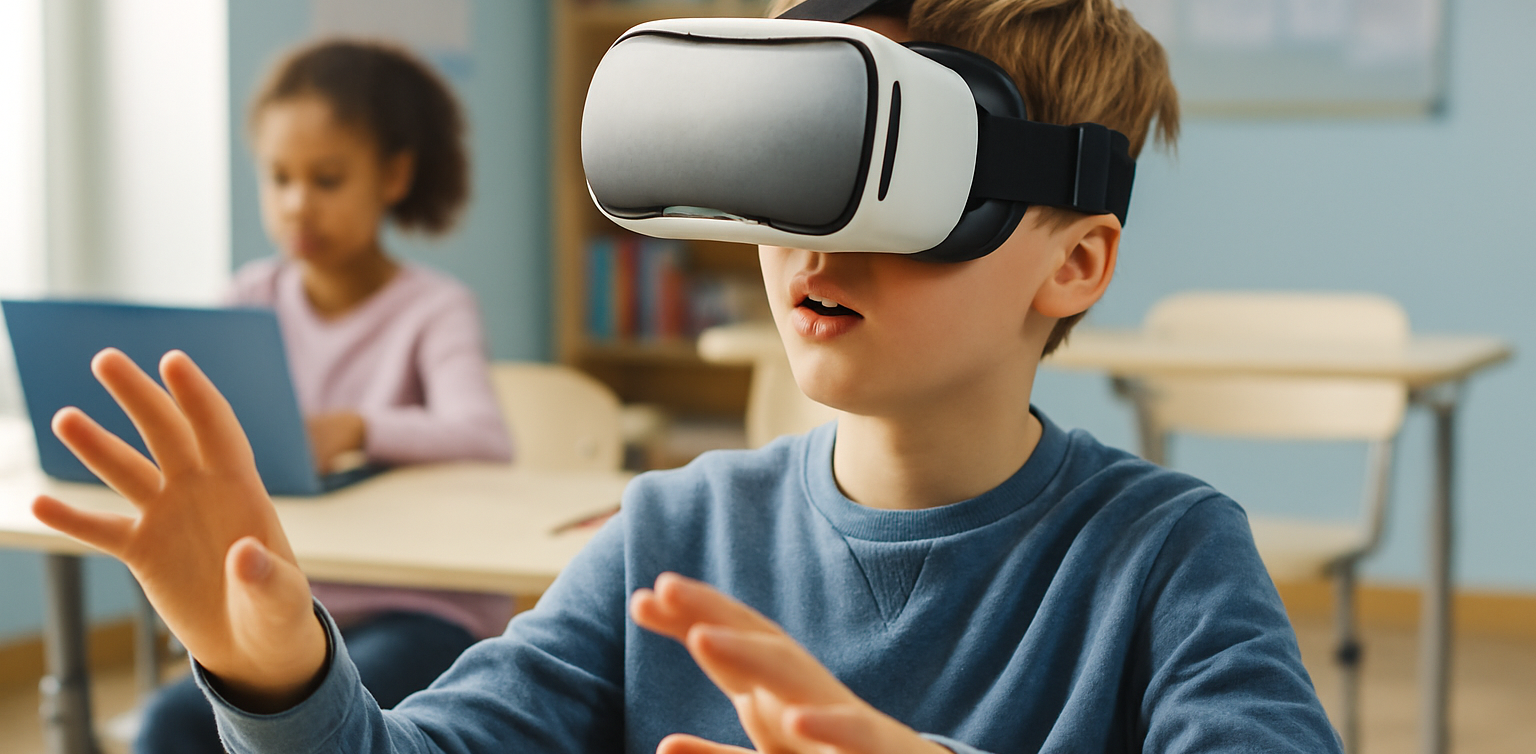
As technology becomes more embedded in daily life, education continues to evolve alongside it. One of the most exciting developments is the use of virtual reality in kids education, a concept that is no longer just futuristic. From classrooms to living rooms, VR is now used to enhance how children explore, understand, and retain knowledge. This article explores how VR is transforming the way kids learn, its benefits, real-world applications, and how parents and schools can embrace this shift.   What Is Virtual Reality in an Educational Context? Virtual reality is a digital simulation that allows users to interact with a 3D environment. In educational settings, it means that students can immerse themselves in topics such as history, science, art, and space in ways that were never possible before. Instead of reading about ancient civilizations, children can walk through virtual ruins. Rather than imagining the solar system, they can experience it in full scale. This hands-on approach to learning is what makes virtual reality in kids education so impactful.   From Passive Learning to Immersive Exploration Traditional learning often relies on reading, note-taking, and static visuals. While these methods are effective, they are not always engaging for every type of learner. Virtual reality enables multisensory learning experiences that feel more like exploration than instruction. For example, a child learning about volcanoes can virtually step inside one to see lava flow and tectonic plate movement. This type of experiential learning boosts curiosity and helps children grasp abstract or complex topics much faster.   Key Benefits of Virtual Reality in Kids Education 1. Increased Engagement and Motivation VR transforms lessons into adventures. Children are naturally more engaged when learning feels like play. This makes it easier to hold their attention and deepen their focus on the subject matter. 2. Better Knowledge Retention When children interact with content instead of simply reading or listening, their brains form stronger memory connections. VR helps students retain information through direct experience, not just memorization. 3. Safe Exploration of Real-World Concepts Certain experiments or field trips may be too dangerous, expensive, or inaccessible in real life. Virtual reality allows students to simulate these experiences safely. From exploring deep ocean ecosystems to observing chemical reactions, VR enables safe and repeatable learning. 4. Encourages Independent Learning Virtual reality in kids education supports autonomy. Children can learn at their own pace, repeat difficult lessons, and explore topics that interest them deeply. This fosters independent thinking and self-directed learning. 5. Inclusion for Different Learning Styles Some children learn visually, others through movement or sound. VR incorporates multiple modes of learning, helping educators reach students who might otherwise struggle with standard teaching formats.   Examples of VR Use in Real Classrooms Many educational institutions and platforms are already applying virtual reality in kids education. Some noteworthy tools include: Google Expeditions: Offers virtual field trips to locations such as the Great Wall of China or the surface of Mars. VictoryXR: Creates full science labs and virtual classrooms where students can conduct experiments. ClassVR: Provides ready-made curriculum-aligned content for schools to use with their students. These examples demonstrate how virtual reality in kids education is already improving outcomes in subjects like science, history, and geography.   How Parents and Teachers Can Get Started Adopting VR technology for learning doesn’t have to be expensive or difficult. Many educational VR platforms are compatible with smartphones and entry-level headsets. Parents can start by: Downloading trusted educational VR apps Using cardboard VR viewers with supported apps Setting screen time guidelines and offering support during learning sessions Teachers can integrate VR into their lesson plans by using tools that align with existing curriculum. It is important to ensure that content is age-appropriate and has clear learning objectives.   Things to Consider While the benefits are clear, there are a few considerations before adopting VR for children’s learning: Supervision: Younger kids need adult guidance to navigate VR content safely. Screen Time: Use VR as a supplement, not a replacement for human interaction or physical play. Content Quality: Not all VR apps are educational. Review each platform and select those developed by educators or trusted publishers. Equipment Requirements: Make sure devices are compatible and safe for children’s use. With thoughtful implementation, virtual reality in kids education can be a highly positive tool for both home and school environments.   The Future of Learning Is Immersive In 2025, virtual reality in kids education is no longer a novelty. It is becoming a core part of how children learn new skills, discover the world, and stay engaged in school. The technology is helping transform learning from something passive into something active, memorable, and exciting. As the cost of VR continues to decrease and content improves, more families and schools will be able to offer students this immersive learning experience.   Support Your Child’s Learning Journey with Timedoor Academy Looking for an engaging and tech-friendly way to support your child’s education? Timedoor Academy offers interactive online courses in coding, robotics, math, and digital creativity. While not all our classes use VR, they are designed with innovation and child engagement at the core. Sign up for a free trial class today and see how your child can build future-ready skills in a fun and structured environment — all from the comfort of home.
10 Practical Tips to Set Up a Comfortable and Productive Home Learning Space for Kids
In today’s digital age, children are not only learning at school but also through various online platforms from the comfort of home. That’s why setting up a home learning space for kids that is both comfortable and productive has become increasingly important. A well-organized learning environment supports better focus, enhances motivation, and encourages independent study habits from an early age. Here are ten simple yet effective tips to help parents create an ideal home learning space that supports both comfort and academic success. 10 Practical Tips to Set Up a Comfortable and Productive Home Learning Space for Kids 1. Choose a Quiet Spot with Minimal Distractions Start by picking a location that isn’t heavily trafficked throughout the day. Ideally, a home learning space for kids should be away from TVs, the kitchen, or play areas. If you don’t have a dedicated room, convert a quiet corner of the bedroom or living room into a learning zone. Use a bookshelf or lightweight divider to create a clear separation between study time and leisure time. 2. Ensure Good Lighting Lighting has a direct impact on mood and focus. Make sure the home learning space for kids has access to natural light during the day. For evening sessions, provide a desk lamp with bright but soft white lighting. Avoid dim lights, as they can cause drowsiness and reduce attention. 3. Provide Ergonomic Furniture A comfortable setup goes a long way. Use a chair and desk that match your child’s height to encourage proper posture. Add cushions or a footrest if needed, so your child can sit comfortably for longer study sessions. 4. Minimize Visual and Audio Distractions Overly bright or busy decor can be distracting in home learning space for kids. Stick to neutral or calming colors for the walls and furniture. Keep toys and unrelated devices out of reach during study hours. If noise from outside interrupts your child’s focus, consider using noise-cancelling headphones, especially during online classes. 5. Keep All Learning Materials Within Reach Equip the space with all the essentials: stationery, books, a laptop or tablet, headphones, and a reliable internet connection. Having everything nearby prevents unnecessary movement and keeps the child focused. Use storage bins or small shelves to keep the desk tidy and clutter-free. 6. Display a Daily Schedule Help your child develop a routine by creating a visual schedule. Post it on the wall near their desk using colorful charts or illustrations. The schedule can include study time, breaks, meals, and creative activities. Visual structure supports time management and builds responsibility. 7. Involve Your Child in the Setup Let your child have a say in how the space looks. Allow them to choose the colors, arrange the desk, or decorate with their favorite items. When kids feel ownership over their home learning space, they are more likely to use it enthusiastically and keep it tidy. 8. Ensure Good Air Circulation and Room Temperature A cool, fresh room helps maintain energy and concentration. Open windows regularly or use a fan or air conditioner if needed. Scent can also influence mood — try light, calming scents like lavender to create a relaxed environment. 9. Match the Setup to Your Child’s Digital Learning Needs If your child is involved in digital learning, make sure the equipment works smoothly. Check the laptop or tablet, webcam, microphone, and internet connection before class begins. Also, make sure their chair and desk setup supports good posture for screen-based learning. 10. Add Motivational Personal Touches Showcase your child’s artwork, awards, or inspiring quotes on the wall. Personal touches can boost confidence and make the space feel more welcoming and meaningful to them. Maximize Your Child’s Home Learning Space with the Right Learning Program Creating a home learning space for kids is a strong start, but it becomes truly effective when paired with the right learning content. Timedoor Academy offers a wide range of interactive online classes to help children grow academically and creatively — all from their home learning space. With subjects like coding, robotics, math, and digital creativity, your child can explore their interests in a fun and structured way. Sign up for a free trial class at Timedoor Academy today and give your child the opportunity to build skills for the future while learning comfortably at home.
8 Best Tips for Kids Managing Homework and Extracurricular Activities in 2025
In today’s fast-paced world, children are often expected to juggle multiple responsibilities at once. From finishing school assignments to attending coding classes, music lessons, or sports practices, their days can feel packed and overwhelming. That’s why many parents are actively searching for tips for kids managing homework and extracurricular activities — to help their children grow, learn, and stay balanced without feeling drained. This article explores eight practical and realistic strategies to support children in managing their responsibilities while maintaining motivation, rest time, and joy.   8 Best Tips for Kids Managing Homework and Extracurricular Activities in 2025   1. Build a Clear Weekly Schedule One of the most effective tips for kids managing homework and extracurricular is to establish a consistent weekly routine. Use a visual planner or calendar that breaks down each day into school hours, homework time, extracurricular sessions, meals, breaks, and bedtime. Having a structured schedule makes children feel more secure and reduces last-minute stress. Make sure to leave enough flexible time for unexpected tasks or short rests.   2. Teach Prioritization Early Not everything needs to be done right away. Teaching children how to prioritize tasks is essential. Sit down together weekly and look at upcoming deadlines, tests, and activity schedules. Help them break bigger projects into smaller steps and start with subjects or assignments that are more challenging. This habit will help them build a sense of control and decision-making, which is key when applying any tips for kids managing homework and extracurricular successfully.   3. Follow the “One Thing at a Time” Rule Kids tend to get overwhelmed when they multitask. Help them learn how to give full attention to one task before moving on to the next. For example, encourage them to finish their science homework before moving on to practice guitar. This method improves focus, builds confidence in completing tasks, and reduces stress caused by scattered attention.   4. Allow Time for Downtime One of the most underrated tips for kids managing homework and extracurricular is giving them time to do nothing. Children need moments of rest, play, and quiet. Downtime supports mental health, creativity, and emotional regulation. Even 15 to 30 minutes a day of unstructured time, where kids can relax without gadgets or tasks, can make a huge difference in their energy and focus levels.   5. Stay Involved Without Micromanaging While independence is important, kids also need emotional support and light guidance. Ask how they’re feeling about their weekly schedule or whether something feels too much. Let them know it’s okay to say no when needed and to ask for help. Being present and responsive helps prevent burnout and builds trust. This emotional connection plays a major role in supporting any effort around tips for kids managing homework and extracurricular.   6. Set Healthy Tech Boundaries Technology can be helpful, but it can also become a distraction. Set clear boundaries for screen time during homework and extracurricular sessions. Use simple tools like timers or productivity apps to support focus. For online classes, make sure their space is quiet and free from distractions like phones or games. Creating a tech environment that supports learning helps improve both academic and extracurricular engagement.   7. Encourage Passion-Based Activities Not every extracurricular needs to be intense or competitive. Include at least one activity your child truly enjoys. Whether it’s drawing, gardening, building robots, or learning languages, fun-based learning adds variety and balance. Passion projects can keep kids motivated and remind them that learning isn’t only about tests and grades. This is a powerful part of long-term success when applying tips for kids managing homework and extracurricular.   8. Choose Supportive Learning Platforms Sometimes kids need extra support outside of school. That’s where programs like Timedoor Academy come in. Timedoor offers flexible online classes in subjects like coding, robotics, math, and digital creativity — all designed to fit into your child’s existing routine. By learning through a fun and structured platform, kids can explore their interests while still managing school tasks smoothly.   Helping Kids Thrive with Balance and Support At the core of all these tips for kids managing homework and extracurricular activities is the goal of balance. Children thrive when they feel supported, not pressured. They need space to learn, grow, and rest. With a realistic schedule, clear priorities, downtime, and the right learning tools, kids can become more confident and independent. Parents play a key role in guiding and cheering them on. If you're ready to help your child explore new skills while balancing their responsibilities, join a free trial class at Timedoor Academy today. Give your child a head start in coding, robotics, and digital creativity while learning at their own pace from the comfort of home.
keterampilan teknologi untuk anak
The Future of Work: Top Tech Skills for Kids to Succeed Tomorrow
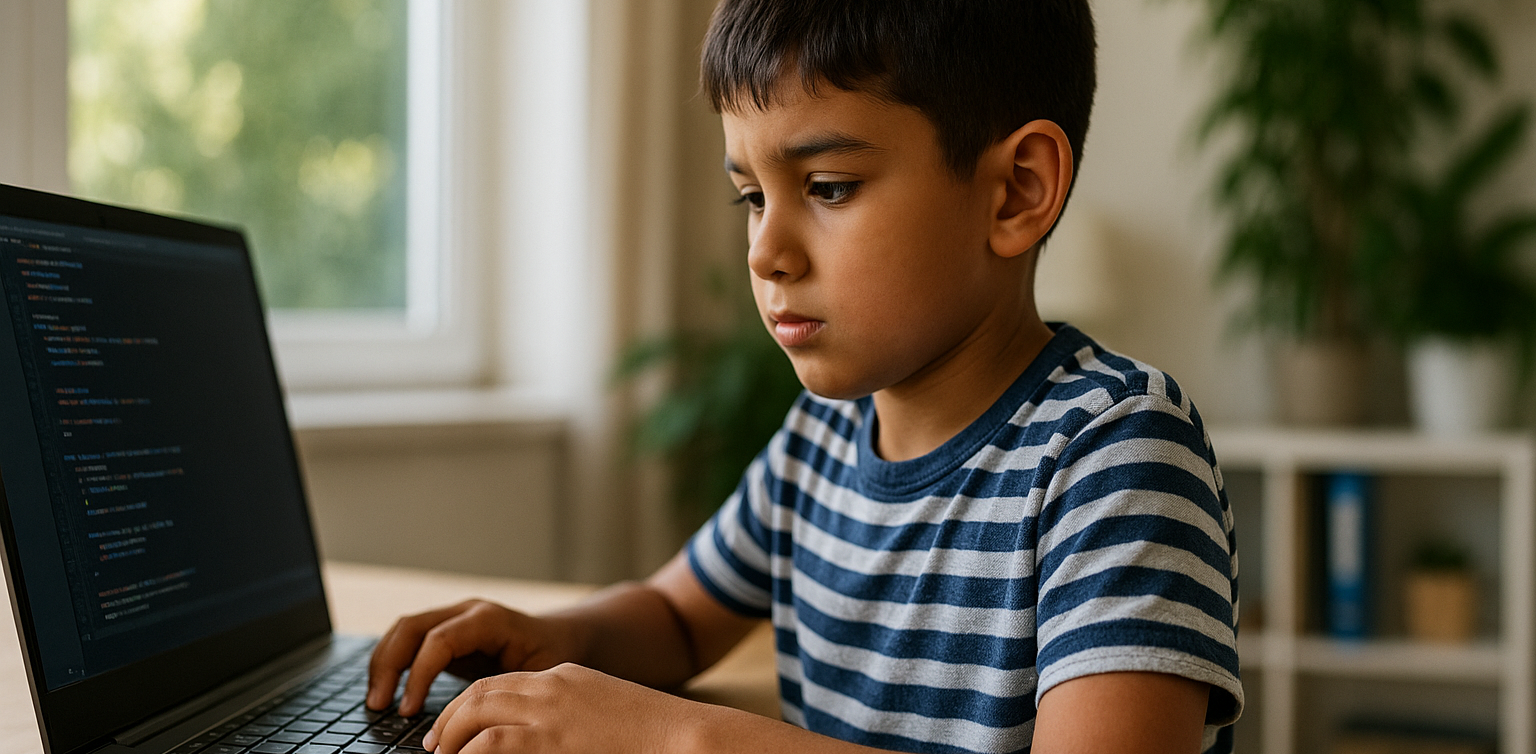
As we move deeper into the digital age, tech skills for kids are no longer optional. They are becoming just as essential as reading, writing, and math. With industries increasingly relying on technology, children need to be equipped with the right digital tools and knowledge to stay ahead. By learning tech skills early, kids can prepare for a future filled with opportunities in science, engineering, design, and other fast-growing fields.   Why Tech Skills for Kids Are More Important Than Ever Technology is rapidly changing how we work, learn, and communicate. In the past, children could grow up and find stable jobs without needing much technical knowledge. Today, even non-technical fields expect basic digital literacy. Professions such as marketing, healthcare, logistics, and education all require some level of tech fluency. That is why building strong tech skills for kids should be a priority in every household. Children who develop a comfort with technology early on are more likely to adapt quickly to new systems, think critically, and solve problems creatively. These are not just technical skills but life skills that will help them thrive in a variety of careers.   Essential Tech Skills for Kids in 2025 and Beyond Here are some of the most valuable tech skills for kids that parents and educators should focus on: 1. Coding and Programming Learning to code is like learning a new language, and children are especially good at picking up languages when they start young. Platforms like Scratch, Blockly, and Python-based tools make coding fun and engaging. These tools teach kids how to build games, apps, and websites while developing logical thinking and problem-solving abilities.   2. Typing and Computer Literacy Before diving into more advanced skills, kids need to master the basics. This includes proper typing, navigating operating systems, using a keyboard and mouse, and understanding file structures. These fundamental tech skills for kids help them complete school assignments efficiently and prepare them for more complex tech learning.   3. Digital Creativity and Design Children love to create, and today’s digital tools offer endless possibilities. Whether it is designing graphics, editing videos, or making simple animations, creative platforms like Canva, Tinkercad, and iMovie allow kids to express themselves while building useful tech abilities. Encouraging digital creativity is one of the most fun ways to improve tech skills for kids.   4. Internet Safety and Digital Citizenship Tech skills go beyond using devices. Kids must also learn how to stay safe online, recognize reliable information, and communicate respectfully in digital spaces. Teaching internet safety and digital ethics is crucial for preparing responsible future digital citizens.   5. Robotics and Engineering Basics Robotics introduces kids to mechanical thinking, sensors, automation, and problem-solving. With kid-friendly kits like LEGO Mindstorms or VEX Robotics, children can explore how real-world machines work. These hands-on experiences provide engaging ways to build tech skills for kids and spark interest in STEM careers.   6. Data Handling and Logical Thinking Understanding how to collect, analyze, and interpret data is becoming a key skill in both tech and non-tech fields. Kids can learn data basics through games or classroom projects. Introducing simple concepts like charts, graphs, or patterns enhances their analytical thinking and boosts their overall digital confidence.   How Parents Can Support Tech Skills Development Even if you are not tech-savvy yourself, there are many ways to help your child build strong tech skills for kids at home: Set up learning time: Create a routine that includes tech learning alongside play and study time. Choose the right tools: Use age-appropriate apps, games, and websites designed for tech education. Encourage exploration: Let kids experiment and learn by doing, even if they make mistakes. Sign up for courses: Platforms like Timedoor Academy offer coding, animation, and digital literacy classes tailored for kids. Model healthy screen habits: Teach children how to use technology responsibly by demonstrating balance and purpose in your own digital behavior.   The Future Job Market Is Digital The future of work is likely to include jobs that do not even exist today. Careers in virtual reality, artificial intelligence, environmental tech, and other advanced fields will become common. The one thing they will all have in common is the need for strong tech skills for kids. Preparing your child now will not only boost their academic performance but also set them up for lifelong success.   Empowering the Next Generation Through Tech Skills for Kids Investing in tech skills for kids is one of the smartest moves parents can make today. As technology continues to evolve, children who are comfortable using digital tools, thinking critically, and adapting to change will have a clear advantage in school and in the workplace. Whether your child dreams of becoming a game developer, an engineer, or even a digital artist, the journey starts with the right skills and encouragement.   Ready to Help Your Child Build Strong Tech Skills? If you're looking for a fun and structured way to introduce tech skills for kids, Timedoor Academy offers engaging online courses designed for young learners. From coding and game development to digital creativity, our expert instructors make learning tech both fun and educational. By enrolling in Timedoor Academy, your child will have the opportunity to build essential skills that will prepare them for future success. Start their learning journey today by signing up for a free trial class. Give them the tools to thrive in the digital world and beyond. Join Timedoor Academy Now
Bringing Tech Education To Potential Youth: J Trust Bank and Timedoor Academy Empower Orphans in Karangasem
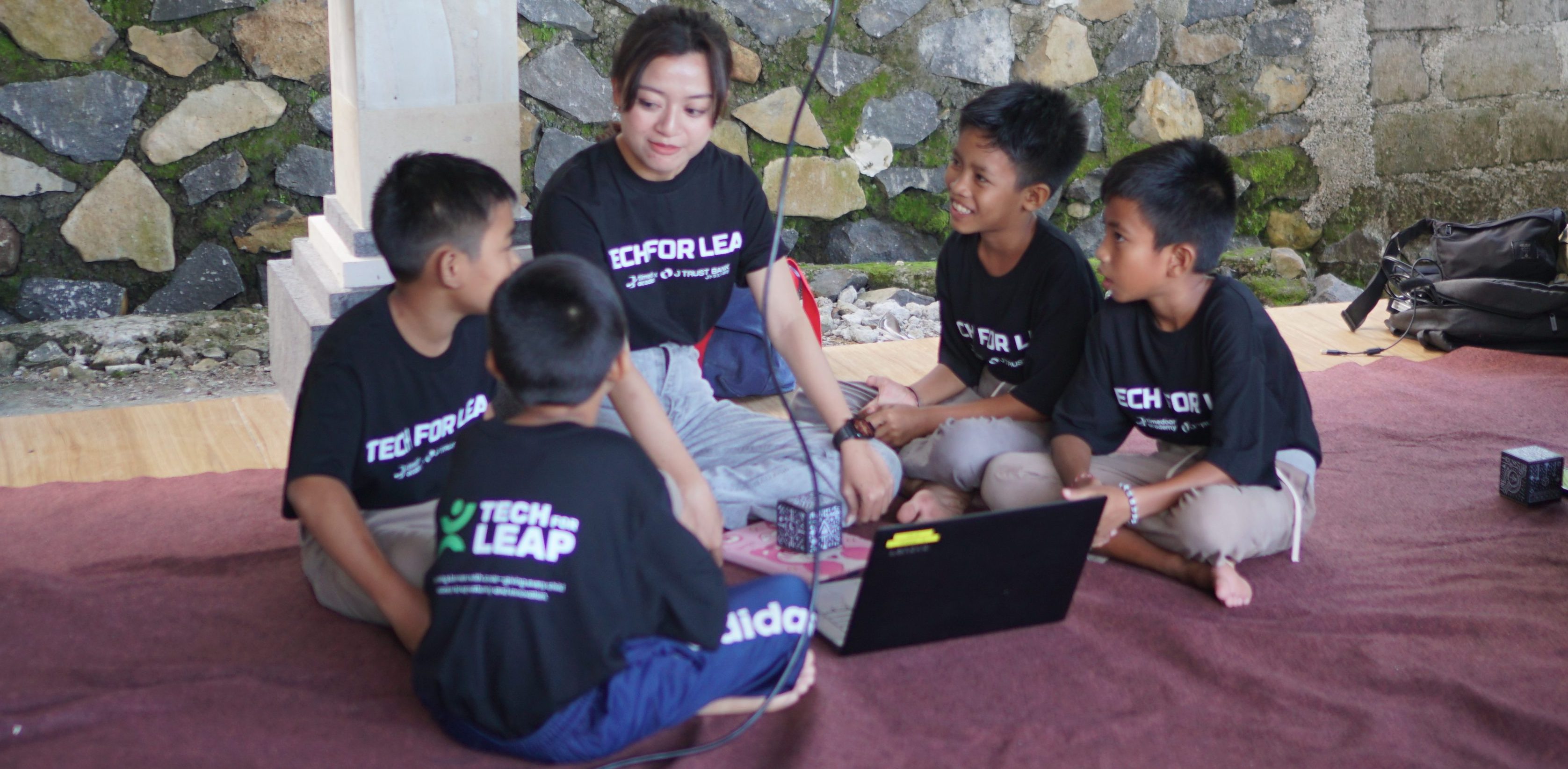
Karangasem, April 27, 2025 – To support IT education for underprivileged children in Indonesia, PT Bank JTrust Indonesia Tbk (J Trust Bank) has partnered with Timedoor Academy, a tech education startup, to launch a Corporate Social Responsibility (CSR) initiative. The program, titled "IT Education for Underprivileged Children and Orphans" took place in Seraya Timur Village, Karangasem District, Bali, and reached 15 children aged 7–18 from orphaned and economically disadvantaged backgrounds. This initiative addresses the urgent need for IT education for underprivileged children who often face significant barriers such as poverty, limited educational infrastructure, and minimal access to technology. By equipping them with essential digital skills, J Trust Bank and Timedoor Academy aim to prepare these children for a brighter, more equitable future. Program Focus: IT Education for Underprivileged Children As part of their commitment to IT education for underprivileged children, J Trust Bank and Timedoor Academy designed the program around three key pillars: 1. Training of Trainers (ToT): This component equips local educators with both technical and teaching skills, enabling them to support and sustain tech education for potential youth in their communities. 2. Learning Management System (LMS) Access: Students gain access to a digital platform offering curriculum-aligned learning materials for elementary to high school levels, helping to provide structured IT education for underprivileged children that meets their developmental needs. 3. Ongoing In-Person Training: The children undergo 12 months of hands-on learning in coding and basic tech skills. This extended period reinforces the foundational goals of IT education for underprivileged children, building their confidence and digital literacy over time. J Trust Bank’s Commitment to Inclusive Digital Learning Ritsuo Fukadai, President Director of J Trust Bank, highlighted the importance of expanding IT education for underprivileged children to foster social equity. “As a Japanese company operating in Indonesia, we believe technological education must be accessible to all. This program is our step toward opening doors for orphans and underprivileged youth to reach their full potential,” Fukadai explained. This initiative is part of the bank’s broader mission to support sustainable, tech-driven social development in underserved areas. Timedoor Academy’s Role in Delivering IT Education for Underprivileged Children Timedoor Academy plays a vital role by offering a user-friendly LMS and relevant digital learning content tailored to the children’s educational levels. The academy also conducted training for local teachers to ensure continuity of IT education for underprivileged children even after the formal program concludes. Beyond delivering technical knowledge, Timedoor Academy encourages creative thinking, problem-solving, and independence—core values that enrich IT education for underprivileged children in today’s digital age. Positive Community Impact in Karangasem The response to the program was overwhelmingly positive. Children showed excitement and curiosity as they learned coding and created simple apps. Teachers who completed the ToT training appreciated the new methods and approaches offered by the program, enhancing their ability to deliver IT education for underprivileged children using technology. With the shared vision of “Creating a Bright Future for the Next Generation with IT Education,” this collaboration sets a precedent for future efforts in IT education for underprivileged children across Indonesia. It proves that meaningful change is possible when education and opportunity are made accessible to all.
cara membangun rasa percaya diri anak
How to Build Confidence for Kids: Fun Activities Using Technology and Coding
Learning how to build confidence for kids is one of the most important things parents and educators can do today. Confidence helps children try new activities, solve problems, and handle challenges with resilience. When we focus on how to build confidence for kids early, we prepare them to succeed in a rapidly changing, technology-driven world. In this article, we explore practical ways on how to build confidence for kids, especially by introducing technology and coding as fun, valuable tools. 1. Encourage Participation in Sports and Tech Competitions One of the proven ways on how to build confidence for kids is through healthy competition. Sports teach teamwork and leadership, while technology competitions like coding contests, robotics challenges, and game design tournaments also foster self-belief and perseverance. Participating in both physical sports and tech-based activities strengthens how to build confidence for kids by showing them their hard work can lead to real achievements, whether on the field or in the digital world. 2. Introduce Creative Arts and Digital Creation Creative expression plays a major role in how to build confidence for kids. Traditional arts like painting and music are important, but digital creativity is just as powerful. Kids can design digital art, create animations, or develop their own simple apps. Coding empowers them to build real projects they can proudly share. By blending creative arts with technology, we make how to build confidence for kids even more exciting and relevant to today's world. 3. Promote Public Speaking and Tech Presentations Another essential strategy for how to build confidence for kids is encouraging them to present ideas, especially tech-related projects. Whether it's demonstrating a coding project, showcasing a simple game they built, or explaining a robotics experiment, these presentations strengthen communication skills. When kids explain technology in their own words, they not only become more confident but also realize the value of their knowledge — an important part of how to build confidence for kids. 4. Teach Coding to Build Problem-Solving Skills Teaching coding is a highly effective method on how to build confidence for kids. Through coding, kids learn to break down complex problems, experiment with solutions, and celebrate successes when they see their projects come to life. Every error they fix and every program they build adds to their sense of achievement. Platforms like Scratch, Minecraft Education, and beginner coding classes allow children to experience firsthand how to build confidence for kids in a way that’s fun, interactive, and empowering. 5. Celebrate Tech-Driven Small Achievements Celebrating small wins is key to how to build confidence for kids. This could mean finishing their first coding project, debugging a tricky error, or creating their first animation. Recognizing achievements in the tech space shows kids that every step counts. Praising their effort in technology projects builds a habit of perseverance and reinforces how to build confidence for kids even when challenges arise. 6. Provide Leadership Opportunities in Technology Leadership experiences are essential when thinking about how to build confidence for kids. Letting kids mentor others in coding clubs, lead a small tech workshop, or present a group project boosts their self-esteem and teaches valuable collaboration skills. Being seen as a “tech leader” among their peers strengthens how to build confidence for kids and encourages them to take pride in their abilities. 7. Encourage Independent Tech Projects Encouraging kids to explore independent technology projects is another way on how to build confidence for kids. Whether it's coding their own mini-game, building a basic website, or programming a simple robot, independent projects help children develop critical thinking and ownership. Solving problems without heavy adult assistance shows them they are capable and resourceful — a huge part of how to build confidence for kids. Building Lifelong Confidence Through Technology and Experiences Understanding how to build confidence for kids means offering opportunities across many areas, especially in the digital world. Technology and coding empower kids to think creatively, solve problems, and take pride in their achievements. Whether it’s through sports, public speaking, creative arts, or tech projects, helping kids see their own potential is crucial. By focusing on how to build confidence for kids early, we prepare them to face the future with strength, curiosity, and joy. At Timedoor Academy, we specialize in helping children build confidence through fun coding and technology programs. If you want your child to experience firsthand how to build confidence for kids with exciting tech activities, sign up for a free trial class today!
bahasa pemrograman terbaik untuk anak
7 Top Programming Languages for Kids: A Comprehensive Guide for Young Learners
In today’s tech-driven world, learning how to code is an essential skill, especially for young learners. The best programming languages for kids help introduce coding concepts in an engaging and accessible way. When choosing the best programming languages for kids, it’s important to focus on languages that are easy to understand, fun to learn, and open up opportunities for creative projects. In this guide, we will explore some of the best programming languages for kids and why they are excellent choices for young learners eager to start coding. Why Should Kids Learn Programming? Programming isn’t just about learning to code; it’s about developing problem-solving skills, creativity, and logical thinking. The best programming languages for kids teach children how to think critically and break down problems into smaller, manageable tasks. Additionally, coding offers children the opportunity to build their own games, websites, and apps, providing a sense of accomplishment as they bring their ideas to life. Let’s look at some of the best programming languages for kids that can help them begin their coding journey. 1. Scratch Scratch is often considered one of the best programming languages for kids due to its visual interface and simple drag-and-drop functionality. It allows children to create animations, games, and interactive stories without needing to write any complex code. Scratch introduces children to programming logic, such as loops, conditionals, and variables, while keeping things fun and creative. The best programming languages for kids should focus on visual learning, and Scratch is a perfect example. It’s an excellent stepping stone for kids who are new to coding and want to explore the basics of programming in an interactive and playful way. 2. Python Python is one of the best programming languages for kids because it has simple syntax and is very readable, making it easier for young learners to pick up. Python is used in many real-world applications, including web development, data analysis, and game design, which makes it a versatile language to learn. With its broad use in the tech industry, learning Python at a young age gives kids a valuable skill that they can build upon as they grow older. Among the best programming languages for kids, Python stands out for its flexibility and ease of use, allowing children to start building more complex projects as they advance in their coding journey. 3. JavaScript For kids interested in creating websites and online games, JavaScript is one of the best programming languages for kids. It’s the primary language used for adding interactivity to websites, and learning it will allow kids to create dynamic and engaging online experiences. JavaScript is a bit more advanced than Scratch or Python, but it’s still one of the best programming languages for kids because it’s in high demand and offers a hands-on way to build real-world applications. By learning JavaScript, kids gain the foundational knowledge needed to work in web development and understand how websites function, making it a great choice among the best programming languages for kids. 4. Swift Playgrounds Swift Playgrounds is a unique app that teaches children how to code in Swift, which is Apple’s programming language used to build iOS and macOS apps. As one of the best programming languages for kids, Swift is powerful yet accessible, allowing kids to learn coding while solving fun, interactive puzzles. Swift Playgrounds offers an exciting, game-like experience that keeps kids engaged while learning how to code. For kids interested in app development, Swift Playgrounds is one of the best programming languages for kids to learn, as it provides a hands-on way to create mobile apps for iPhones and iPads. 5. HTML/CSS HTML (HyperText Markup Language) and CSS (Cascading Style Sheets) are fundamental languages for web development, and they’re also some of the best programming languages for kids to learn. HTML is used to structure content on the web, while CSS is used to style that content and make it look visually appealing. By learning HTML and CSS, kids can start building their own websites from scratch, gaining a deeper understanding of how the internet works. As two of the best programming languages for kids, HTML and CSS provide kids with a solid foundation in web development that will be useful if they want to learn more advanced languages in the future. 6. Blockly Blockly is a visual programming language developed by Google that teaches programming concepts through a drag-and-drop interface. Blockly is an excellent choice among the best programming languages for kids because it allows kids to focus on logic and problem-solving without worrying about complex syntax. It’s perfect for young learners who want to understand the fundamentals of coding before transitioning to text-based programming languages. For a fun introduction to coding, Blockly is one of the best programming languages for kids, helping kids develop the skills needed to progress to more advanced languages like Python or JavaScript. 7. Roblox Studio Roblox Studio is one of the best programming languages for kids who are passionate about gaming. It uses Lua, a scripting language that’s easy to learn and widely used in game development. With Roblox Studio, kids can create their own games, design interactive environments, and even monetize their creations. It’s an ideal platform for young learners interested in both coding and game design, making it one of the best programming languages for kids. Roblox Studio provides an engaging way for kids to learn programming while also fostering creativity, teamwork, and critical thinking. Kickstart Your Coding Journey with the Best Programming Languages for Kids Choosing the best programming languages for kids is an important step in setting them on the path to learning how to code. Whether they start with Scratch for simple game creation, move on to Python for general programming, or dive into JavaScript for web development, there are plenty of options to explore. Each of the best programming languages for kids offers unique learning opportunities and allows kids to create exciting projects while developing essential problem-solving skills. At Timedoor Academy, we offer coding courses designed specifically for kids, teaching them the best programming languages for kids in a fun and interactive way. Help your child discover the exciting world of coding by signing up for a free trial class at Timedoor Academy!
Bagaimana Teknologi Meningkatkan Kreativitas Anak
How Technology Boosts Creativity for Kids
In today's digital age, technology plays a significant role in shaping children's lives, offering them not only entertainment but also endless opportunities to enhance their creativity. How technology boosts creativity for kids is not just about playing games or watching videos; it's about engaging with tools that encourage children to explore new ideas, express themselves through various forms of art, and solve complex problems in innovative ways. In this article, we’ll dive into the many ways how technology boosts creativity for kids, helping parents and educators harness the power of technology for creative development.   1. Digital Tools That Boost Creativity for Kids Technology offers a vast array of digital tools designed to stimulate creativity in children. Drawing apps like Procreate or Tayasui Sketches, for example, allow kids to create beautiful artworks on tablets, pushing their imagination and skills. Music production software, such as GarageBand, is another fantastic tool to help children explore their musical creativity by composing songs and learning about sound design. These tools don’t just teach technical skills; they encourage kids to think creatively. The immediate feedback and flexibility offered by these apps allow children to experiment with different styles and techniques, making it a fun and educational way how technology boosts creativity for kids.   2. Problem-Solving and Critical Thinking One of the most impactful ways how technology boosts creativity for kids is by enhancing their problem-solving and critical thinking abilities. Educational games and apps that challenge children to solve puzzles, plan strategies, and make decisions help develop their cognitive skills. Apps like Scratch or Tynker, which teach coding and logic, are excellent examples of how technology boosts creativity for kids. By engaging with these platforms, children not only learn to code but also learn to think critically, test solutions, and refine their ideas. This helps them become creative problem-solvers who are capable of thinking outside the box, which is an essential skill for both academic success and life in general.   3. Access to a Wealth of Creative Learning Resources The internet is a treasure trove of creative learning resources that can help how technology boosts creativity for kids. Platforms like YouTube, TED-Ed, and Khan Academy provide a wide variety of content that can spark children’s imaginations. From DIY craft tutorials to science experiments, there is no shortage of material to engage kids and fuel their creativity. Moreover, eBooks and audiobooks offer children new ways to experience stories that stimulate their imagination. These resources allow kids to engage with the arts, explore new concepts, and learn new skills in creative and interactive ways.   4. Collaborative Creativity and Social Interaction Technology also offers unique opportunities for kids to collaborate on creative projects with others. Online platforms and apps designed for group work allow children to share ideas, co-create, and provide feedback to one another, fostering both creativity and social skills. By working together, kids not only boost creativity but also learn how to communicate effectively, manage team dynamics, and develop empathy. For instance, children can participate in group art projects, write collaborative stories, or join virtual hackathons. These shared creative experiences are a great way to help children enhance their creativity while also developing valuable interpersonal skills.   5. Digital Storytelling for Creative Expression Digital storytelling is another powerful way how technology boosts creativity for kids. With easy-to-use platforms like Storybird, Adobe Spark, and even Instagram, children can write, illustrate, and share their stories in engaging ways. These platforms allow kids to take control of their narratives, helping them express their thoughts, ideas, and emotions creatively. Storytelling is not only a fun way to engage with creativity but also a valuable skill that supports literacy, critical thinking, and emotional development. By using digital tools to tell their stories, children can learn how to organize their ideas, use technology to enhance their creations, and communicate their thoughts in new and innovative ways.   6. Immersive Technologies: Virtual and Augmented Reality Virtual Reality (VR) and Augmented Reality (AR) technologies are increasingly being used to enhance creativity for kids. These immersive technologies provide children with the opportunity to engage with creative environments in ways that are not possible in the real world. With VR and AR, children can design virtual spaces, explore interactive 3D models, and engage in hands-on creative activities. For example, using VR headsets, children can participate in virtual learning experiences that incorporate art, design, and creativity. They can create 3D models, design virtual sculptures, or explore complex architectural structures. AR apps like Quiver bring children’s drawings to life, allowing them to see their artwork come to life in augmented spaces. These tools give kids a whole new world to explore, further showing how technology boosts creativity for kids.   7. Technology as a Gateway to STEM Creativity Another way how technology boosts creativity for kids is by inspiring them to pursue STEM (Science, Technology, Engineering, and Mathematics) fields, where creativity is a crucial component. Coding platforms, robotics kits, and 3D printing tools all encourage kids to create, innovate, and design in the realms of engineering and technology. Tools like LEGO Mindstorms or robotics kits allow kids to build and program their own creations, providing them with hands-on experience in both technology and design. These activities encourage kids to think creatively about how to solve problems, design solutions, and bring their ideas to life.   How Technology Boosts Creativity for Kids in Countless Ways Incorporating technology into your child’s life can have a profound impact on their creative development. From digital art and music tools to coding apps and immersive experiences, technology offers a vast range of opportunities for kids to explore, create, and learn. By using these tools, parents and educators can help nurture creativity, problem-solving skills, and innovation in children, setting them up for future success. At Timedoor Academy, we provide various online resources and learning tools designed to help your child develop their creativity through technology. Whether it’s interactive coding classes, virtual workshops, or personalized learning materials, we’re here to support your child’s creative journey. Start a free trial today and explore how technology can boost creativity for kids in exciting and engaging ways!
manfaat belajar coding untuk anak
The Benefits of Coding for Kids 2025: Why Start Early?
In today's digital world, understanding technology is becoming as important as reading and writing. One of the best ways to prepare children for the future is by introducing them to coding at an early age. The Benefits of Coding for Kids go far beyond just learning how to program a computer. Coding can help children develop essential life skills that will serve them well in any career path they choose. In this article, we will explore The Benefits of Coding for Kids and why starting early makes a big difference. 1. Enhancing Problem-Solving Skills One of The Benefits of Coding for Kids is the development of strong problem-solving abilities. Coding encourages children to think critically and approach challenges with a logical mindset. When kids write code, they often encounter errors or bugs. Finding and fixing these issues teaches them how to break down problems into manageable parts and work through solutions methodically. The Benefits of Coding for Kids in this area are clear, as these problem-solving skills are useful not only in computer science but in everyday life as well. 2. Boosting Creativity and Innovation Another key aspect of The Benefits of Coding for Kids is how it nurtures creativity. Contrary to the belief that coding is purely technical, creating a new app, game, or website involves a great deal of imagination. Children can express themselves by building projects that reflect their interests and ideas. The Benefits of Coding for Kids also include encouraging them to think outside the box and come up with innovative solutions to real-world problems. 3. Building Resilience and Persistence Learning to code is not always easy, and that is exactly why The Benefits of Coding for Kids include building resilience. Kids quickly learn that failure is a part of the process and that persistence is key to success. They may have to try multiple times before they get their code to work correctly. The Benefits of Coding for Kids in this area are significant because resilience and persistence are important traits that will benefit them throughout their academic and professional lives. 4. Strengthening Mathematical Skills Mathematics and coding are closely related. Understanding concepts like variables, sequences, and patterns is crucial in both fields. One of The Benefits of Coding for Kids is that it helps strengthen their math skills in a practical and engaging way. Instead of seeing math as a boring subject, children realize that numbers and logic have real-world applications. The Benefits of Coding for Kids extend to making math more fun and approachable, which can improve their overall academic performance. 5. Preparing for Future Career Opportunities The job market is evolving rapidly, and coding skills are becoming increasingly valuable across industries. One of The Benefits of Coding for Kids is giving them a head start in a world where technology dominates many fields. Whether they choose a career in software development, medicine, finance, or the arts, understanding how technology works will be an asset. The Benefits of Coding for Kids also include opening doors to numerous opportunities, ensuring that children are not just consumers of technology but creators as well. 6. Fostering Collaboration and Communication While coding may seem like a solitary activity, it often involves working in teams, especially in real-world projects. The Benefits of Coding for Kids include learning how to collaborate with others, share ideas, and communicate effectively. Group projects encourage children to listen to others' perspectives and explain their own ideas clearly. The Benefits of Coding for Kids, therefore, reach beyond technical skills, helping children become better teammates and communicators. 7. Enhancing Logical Thinking and Analytical Skills Coding requires a logical approach to solving problems. Children must think step-by-step, anticipate outcomes, and plan accordingly. The Benefits of Coding for Kids in terms of enhancing logical thinking are profound. Analytical skills developed through coding activities help children in other subjects such as science and reading comprehension. The Benefits of Coding for Kids include creating a structured way of thinking that supports academic success across multiple disciplines. 8. Encouraging Self-Confidence Another important point when discussing The Benefits of Coding for Kids is the boost in self-confidence that coding can provide. Successfully completing a coding project, solving a difficult problem, or seeing their app or game come to life gives children a great sense of accomplishment. The Benefits of Coding for Kids also involve building their belief in their own abilities, encouraging them to tackle bigger challenges in the future with confidence. 9. Promoting Global Competitiveness In an increasingly interconnected world, coding is a universal language. Children who learn to code are better prepared to compete on a global stage. The Benefits of Coding for Kids include preparing them to participate in a global economy where technological literacy is key. The Benefits of Coding for Kids ensure that children have the skills needed to innovate, collaborate internationally, and succeed in a tech-driven world. How to Get Started Obtaining The Benefits of Coding for Kids Now that we have seen The Benefits of Coding for Kids, it is important to consider how to get them started. Parents and educators can introduce coding through online platforms, coding camps, and school programs. Platforms like Timedoor Academy offer structured courses designed specifically for children, making the learning process fun and effective. Emphasizing The Benefits of Coding for Kids from the beginning helps children stay motivated and excited about their coding journey. Many programs use visual-based coding languages like Scratch to teach beginners. These programs allow children to drag and drop code blocks, making it easy to understand basic programming concepts. As children progress, they can move on to more advanced languages like Python, JavaScript, or HTML. Understanding The Benefits of Coding for Kids early on can inspire them to pursue coding seriously and develop skills that will serve them for a lifetime. Ready to Unlock The Benefits of Coding for Kids? If you are looking for the best way to introduce your child to coding, Timedoor Academy is here to help. Our expert-designed courses are tailored to make learning coding fun, engaging, and effective for children of all ages. Whether your child is just starting or looking to deepen their skills, Timedoor Academy offers a supportive environment that focuses on building creativity, problem-solving, and confidence. Discover how your child can experience The Benefits of Coding for Kids by joining our free trial class today. Let us help your child take the first step towards a bright and successful future. Sign up for a free trial at Timedoor Academy now!
float button